

Images Depict Mature Plants
Blue Pansies
Viola x wittrockiana
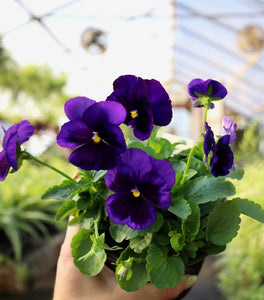
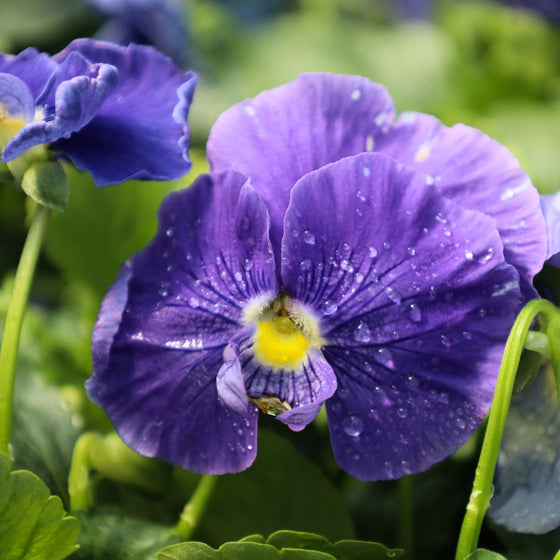
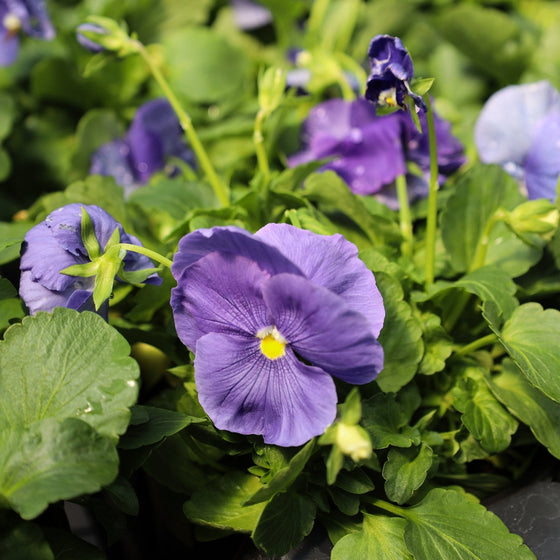
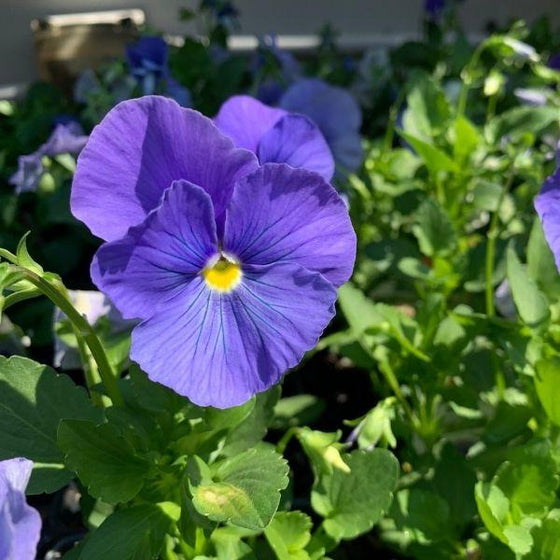
I love Blue Pansies because that true blue flower color is hard to beat in a cool-season planting. It brings a calmer, richer look to porch pots, entry beds, and front borders, and it mixes beautifully with whites, silvers, and evergreen textures. For cool-season color that feels a little more refined but still delivers plenty of pop, this is always a strong pick.

Save Up to 25% On Your Order! Limited Time Only!
Discount Applied Automatically At Checkout
📦 Free shipping on orders over $99.
Share:


Rich Blue Pansies for Cool-Season Beds and Containers
Clear Blue Color That Brightens Cool-Season Plantings
Blue Pansies bring a saturated, true-blue tone that stands out beautifully in cool-season plantings. They are especially effective in porch pots, entry beds, borders, and mixed seasonal containers where the color can contrast with white flowers, silver foliage, evergreen textures, and warmer autumn tones. The product page specifically describes this offering as a large-flowered blue pansy suited to containers and autumn and winter landscapes.
That bold color payoff makes Blue Pansies an easy seasonal purchase for shoppers who want quick visual impact. Pansies are typically planted in the fall for best performance and can flower through winter in milder areas before reblooming in spring, making them one of the most useful cool-season annuals for long decorative value.
A High-Impact Flower for Pots, Borders, and Entry Beds
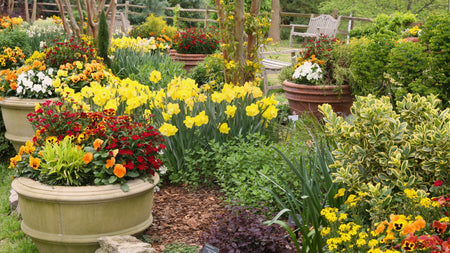
Blue Pansies are especially effective in containers because the blooms read clearly at eye level and create a finished look fast. Their compact habit keeps plantings neat, while the larger flowers deliver noticeable color from a relatively small footprint. They can carry a container on their own or blend beautifully with trailing accents, ornamental cabbage, white pansies, and evergreen elements for a layered seasonal design.
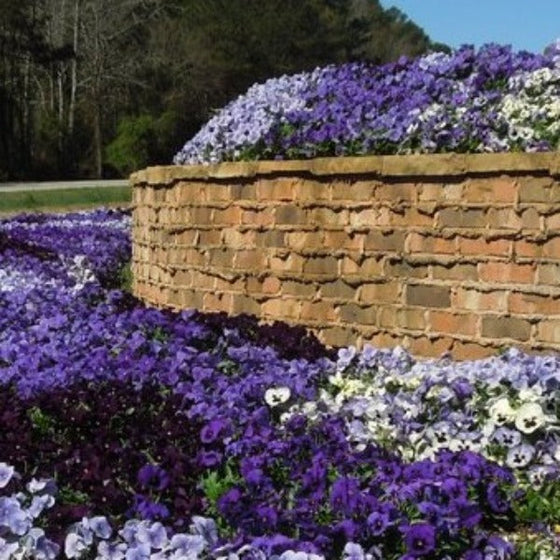
They also perform well in landscape beds where concentrated seasonal color matters. Use them along walkways, near mailboxes, at front entries, or in grouped border plantings, where repeated blue blooms can create a clean, polished look. Because pansies stay low and flower heavily in cool weather, they are among the easiest annuals to use in both formal and casual designs.
Easy-Care Performance for Everyday Gardeners
Blue Pansies are easy to grow when planted in the right season and given the conditions they prefer. They do best in full sun to part sun, in rich, well-drained soil that stays evenly moist. They bloom best in cool weather, and deadheading spent flowers helps prolong the flowering period.
That simple care profile makes them especially appealing for gardeners who want color without a steep learning curve. Keep the soil consistently moist but not soggy, feed lightly, and remove spent flowers regularly to maintain a fresh display. Like other pansies, they eventually decline in sustained summer heat, so they are best treated as cool-season annuals rather than year-round bedding plants.
A Smart Seasonal Choice for Fall, Winter, and Spring Displays
Blue Pansies are more than just another bedding flower. They are a fast seasonal design solution for anyone looking to refresh visible outdoor spaces with cool-weather color. Fall porch pots, winter entry containers in milder climates, and early spring beds all benefit from a flower that stays compact, blooms hard, and brings immediate color.
They are also practical because they work in so many settings and pair easily with other seasonal materials. Plant them in groups for a fuller look, use them to cool down a warmer color palette, or mix them with structural evergreens and trailing accents for a layered arrangement. For gardeners who want quick results and a dependable cool-season bloomer, Blue Pansies are an easy yes.
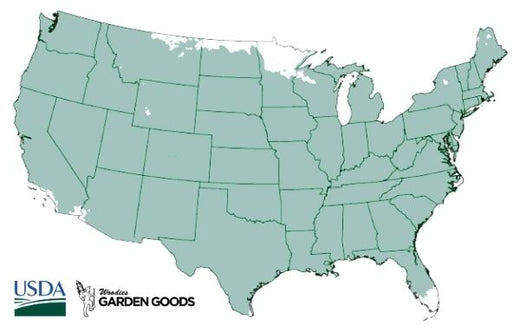
| Hardiness Zone: | 4-9 |
|---|---|
| Mature Height: | 6 to 8 Inches |
| Mature Width: | 6 to 8 Inches |
| Bloom Time / Color | Fall, winter in mild regions, and spring; blue flowers |
| Soil Condition: | Rich, moist, well-drained soil |
| Sunlight | Full sun to part sun |
| Water Requirements: | Moderate; keep evenly moist, especially after planting |
| Wildlife Value | Flowers can attract butterflies and other pollinators |
| Resistance (deer/disease/drought/etc.) | Cool-weather performer; not suited for sustained summer heat; best with good airflow and drainage |
| Landscape Uses | Containers, borders, mass plantings, porch pots, entry beds, seasonal color displays |
How to Care for Blue Pansies
Be sure to read our planting instructions to ensure a healthy and happy Blue Pansies!
-v1773332834877.png?92x91)
How should I plant Blue Pansies?
Plant Blue Pansies in full sun to part sun in loose, well-drained soil that stays evenly moist but not soggy. Set each plant at the same depth it was growing in the pot, firm the soil gently around the root ball, and water thoroughly after planting to settle everything in place. Fall planting usually gives the longest display window. Use Blue Pansies where the flower color can be appreciated up close, such as near front entries, along walkways, in porch pots, or at the front of mixed borders. In containers, combine them with trailing accents or evergreen elements for a fuller seasonal look. Good drainage matters because pansies bloom best when roots stay cool and healthy.
-v1773332899450.png?89x84)
How often should I water Blue Pansies after planting?
Water Blue Pansies thoroughly after planting, then keep the soil evenly moist while the roots establish. They are not drought plants, so the goal is to keep the root zone from drying out completely, especially in containers and raised planters where soil dries faster. After the first couple of weeks, adjust watering based on weather, soil feel, and container size. Cool rainy periods may require very little extra water, while sunny fall or spring stretches can dry pots quickly. Watering earlier in the day helps support cleaner foliage and better bloom performance.
-v1773332939867.png?90x89)
When should I fertilize Blue Pansies?
Fertilize Blue Pansies at planting time with a balanced slow-release fertilizer or begin light feeding soon after planting, especially in containers. Because pansies bloom heavily in cool weather, steady nutrition supports healthy foliage and continued flowering over a longer season. Continue with light feeding rather than heavy doses. Container-grown plants usually need more attention because nutrients wash through faster with regular watering. In garden beds with improved soil, a lighter approach is usually enough to keep the planting looking fresh and productive without pushing soft, weak growth.

When and how should I prune Blue Pansies?
Blue Pansies do not need pruning like shrubs do, but they benefit from regular deadheading and light cleanup. Remove faded flowers as they finish to encourage more buds and keep the planting looking crisp. If stems start to look stretched or tired, trim them back lightly to refresh the shape. Do this throughout the bloom season whenever spent flowers begin to pile up. A quick cleanup every week or so can make a noticeable difference in performance and appearance. In mixed containers, deadheading also helps Blue Pansies stay visible and balanced with neighboring plants.