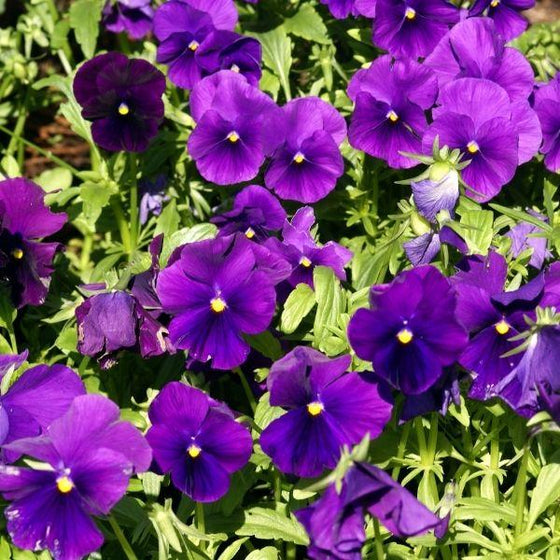
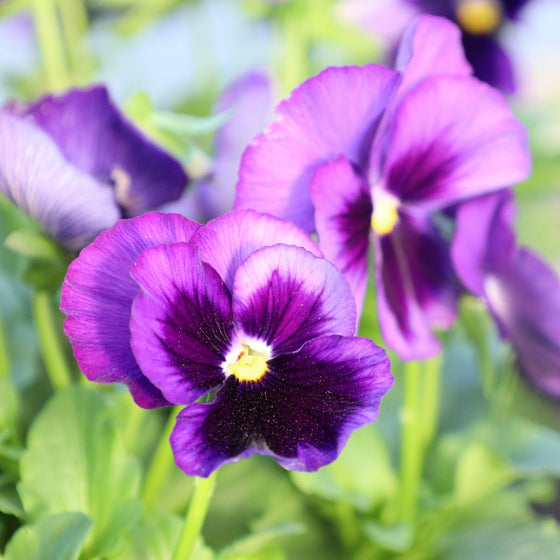
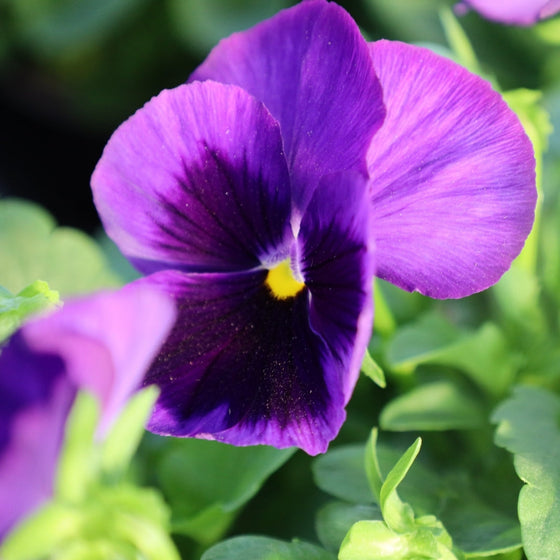


Images Depict Mature Plants
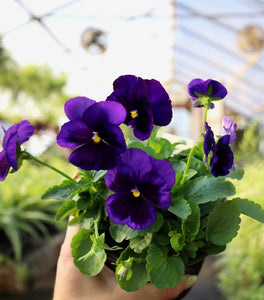
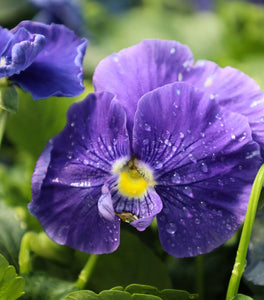
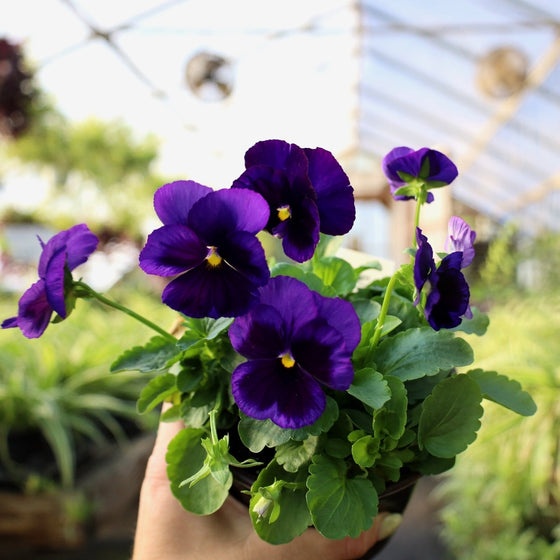
Purple Pansies
Viola x wittrockiana
I love Purple Pansies because they give you instant color when the garden really needs a boost. That strong purple bloom looks great with just about everything, and it works beautifully in porch pots, front borders, and cool-season beds where you want something cheerful but still polished. For fall, winter in milder spots, and early spring color that is easy to plant and easy to enjoy, these are always a smart pick.

Save Up to 25% On Your Order! Limited Time Only!
Discount Applied Automatically At Checkout
📦 Free shipping on orders over $99.
Share:


Bold Purple Pansies for Cool-Season Beds and Containers
Cool-Season Color That Instantly Refreshes the Garden
Purple Pansies are one of the easiest ways to bring strong seasonal color back into the landscape when summer annuals begin to fade, or spring beds still need a lift. Their vivid purple blooms brighten containers, front entries, borders, and mixed planting beds with a color that feels both cheerful and refined. Because pansies thrive in cool weather, they are especially useful in fall, winter in milder climates, and early spring, giving shoppers a dependable way to keep outdoor spaces looking alive when choices can feel limited.
That cool-season performance is what makes Purple Pansies such a smart seasonal purchase. They are not just a quick decorative accent for a few days. With proper watering and deadheading, they can hold color for an extended stretch of the year and keep pots, porch planters, and flower beds looking full and inviting. Purple also pairs beautifully with white alyssum, ornamental cabbage, chartreuse foliage, silver accents, and evergreen textures, making it easy to create polished, intentional combinations.
A High-Impact Annual for Pots, Borders, and Front-of-Bed Color
Purple Pansies earn their keep quickly because they deliver visible color exactly where shoppers need it most. Tuck them into decorative containers, line them along a front walk, mass them in small beds, or use them to soften the edges of foundation plantings. Their compact habit makes them easy to design with, and their saturated flower color stands out without looking harsh. This is the kind of annual that can carry a container arrangement on its own or help tie together a mixed seasonal planting.
That versatility matters because it gives gardeners more than one reason to buy. A flat of Purple Pansies can refresh tired landscape pockets, add quick curb appeal near the front door, or create a richer seasonal display in window boxes and raised planters. In smaller spaces, they provide a lot of floral payoff without overwhelming nearby plants. In larger beds, they can be massed for a broader color impact that feels dense, finished, and professionally arranged.
Easy-Care Performance for Everyday Gardeners
Purple Pansies are approachable, dependable plants for gardeners who want beauty without a steep learning curve. They perform best in full sun to part sun, especially in cooler weather, and they prefer moist, well-drained soil. Once planted, they ask for consistent moisture, a little feeding, and occasional deadheading to stay fresh and flower-forward. That simple care routine makes them ideal for shoppers who want something easy to enjoy right away.
They also reward attention without punishing small mistakes. If the weather stays cool and the soil does not dry out too hard, pansies keep blooming with impressive consistency. As temperatures warm, a little afternoon shade can help extend the show, especially in containers that heat up more quickly. The result is a seasonal annual that feels forgiving, useful, and satisfying to grow, whether you are planting one porch pot or refreshing an entire front bed.
A Practical Way to Decorate for Fall, Winter, and Early Spring
Purple Pansies are more than just flowers. They are among the easiest tools for seasonal outdoor decorating. When homeowners want their front porch, mailbox bed, or walkway planting to feel refreshed without a full redesign, pansies deliver immediate color and structure in a familiar, easy-to-use package. Purple is especially effective because it pairs naturally with autumn décor, evergreen branches, spring bulbs, and cooler-toned containers, giving displays a richer and more layered feel.
They are also ideal for seasons when gardeners are most likely to update visible outdoor spaces. Fall container refreshes, winter color in milder climates, and early spring bed plantings all benefit from a flower that stays compact, blooms hard, and works in nearly any seasonal design style. For shoppers who want quick impact, strong color, and simple care, Purple Pansies are one of the best cool-season annual choices available.
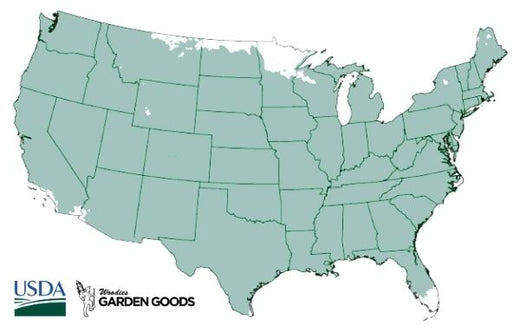
| Hardiness Zone: | 4-9 |
|---|---|
| Mature Height: | 6 to 8 Inches |
| Mature Width: | 6 to 8 Inches |
| Bloom Time / Color | Fall, winter in mild regions, and spring; purple flowers |
| Soil Condition: | Rich, moist, well-drained soil |
| Sunlight | Full sun to part sun |
| Water Requirements: | Moderate; keep evenly moist, especially after planting |
| Wildlife Value | Flowers can attract butterflies and other pollinators |
| Resistance (deer/disease/drought/etc.) | Cool-weather performer; not suited for summer heat; best with good airflow and drainage |
| Landscape Uses | Containers, borders, mass plantings, porch pots, entry beds, seasonal color displays |
How to Care for Purple Pansies
Be sure to read about the recommended care instructions to keep Purple Pansies healthy and thriving!
-v1773328704064.png?92x91)
How should I plant Purple Pansies?
Plant Purple Pansies in full sun to part sun in loose, well-drained soil that stays evenly moist but does not stay soggy. Set each plant at the same depth it was growing in the container, firm the soil gently around the roots, and water thoroughly right after planting to settle everything in place. Use Purple Pansies where the bloom color can be seen and appreciated, such as along walkways, near front entries, in porch pots, or at the front of mixed borders. In containers, combine them with trailing accents, evergreens, or other cool-season flowers for a fuller seasonal arrangement. Good drainage is important because pansies bloom best when roots stay cool and healthy.
-v1773328727013.png?89x84)
How often should I water Purple Pansies after planting?
Water Purple Pansies thoroughly after planting, then keep the soil evenly moist while the plants establish and begin blooming. They are not drought-tolerant annuals, so the goal is to avoid letting the root zone dry out completely, especially in decorative containers and raised planters. Once they are settled in, adjust watering based on weather, sunlight, and container size. Cool, rainy weeks may require very little extra moisture, while sunny fall or spring days can dry out pots quickly. Watering early in the day is best, and keeping the soil consistently moist helps the plants stay fuller, greener, and more flower-heavy through the season.
-v1773328744672.png?90x89)
When should I fertilize Purple Pansies?
Fertilize Purple Pansies at planting time with a balanced slow-release fertilizer or begin light feeding soon after planting, especially in containers. Because pansies bloom heavily during cool weather, steady nutrition helps support healthy foliage, repeat flowering, and a more finished appearance over a longer season. Continue with light, regular feeding instead of heavy doses all at once. Container-grown pansies usually need more attention because nutrients wash through faster with frequent watering. In landscape beds with improved soil, a lighter touch often keeps them performing well without forcing soft, overly lush growth.

When and how should I prune Purple Pansies?
Purple Pansies do not need pruning like shrubs do, but they benefit greatly from regular deadheading and light cleanup. Remove faded flowers as they finish to encourage the plant to keep producing new buds, and lightly trim leggy stems if the planting starts to look stretched or tired. This is best done throughout the bloom season whenever spent flowers begin to pile up. A quick weekly cleanup can keep containers and beds looking noticeably fresher. In mixed planters, deadheading also helps Purple Pansies stay visible and balanced with neighboring plants instead of getting buried by faster growers.