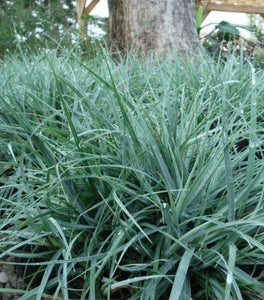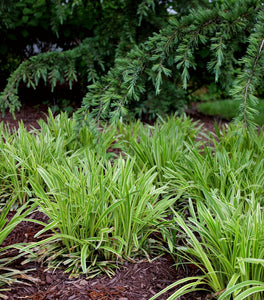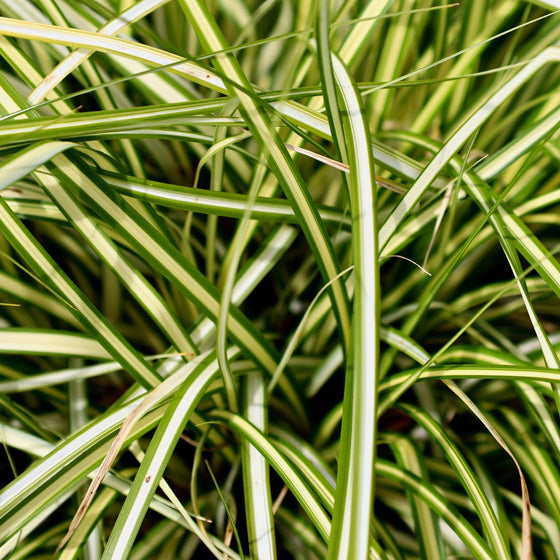
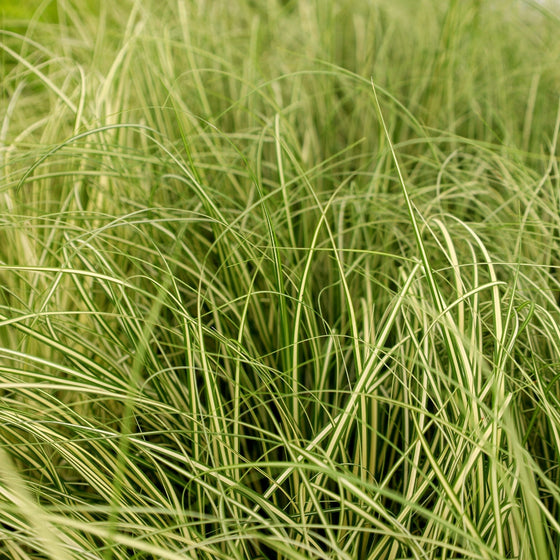


Images Depict Mature Plants
Evergold Carex
Carex oshimensis "Evergold'
Evergold Carex is one of those plants that quietly makes a shade bed look finished. The cream-yellow stripe lights up dark corners, and the soft arching habit works beautifully along paths, in containers, or in front of hostas and ferns. I like it best in bright shade with steady moisture. Give it a quick cleanup after winter, and it comes right back looking fresh.

20% Off Sitewide Sale!
Use Code 'ENDOFSEASON20' At Checkout
📦 Free shipping on orders over $99.
Delay shipping by leaving us a message at Checkout.
Share:



A Variegated Evergreen Sedge for Bright Shade Texture
Cream-Yellow and Green Foliage That Brightens Shade
Evergold Carex is a compact variegated sedge grown for its arching cream-yellow leaves edged in deep green. Also called Evergold Sedge or Japanese Sedge Evergold, this grass-like perennial adds year-round color and soft texture to shade gardens, containers, edging, and woodland-style beds.
The bright center stripe helps lighten darker planting areas without relying on flowers. Use Evergold Carex near hostas, ferns, hellebores, heuchera, brunnera, Japanese painted fern, ajuga, black mondo grass, and shade-loving groundcovers where its gold-and-green foliage can create contrast.
A Compact Sedge for Edging, Containers, and Borders
Evergold Carex forms a low, mounded clump with narrow arching leaves that spill gracefully outward. Its compact size makes it especially useful along shaded walkways, patio edges, border fronts, rock gardens, and container combinations.
This is a detail plant that works beautifully in groups. Plant several together for a soft groundcover effect, or repeat it through a shade bed to create rhythm and movement. In containers, Evergold adds a fine-textured spiller or filler effect without overpowering flowering companions.
Evergreen Texture with Low-Maintenance Appeal
Evergold Carex is evergreen through much of its growing range and semi-evergreen in colder climates. In winter, the foliage may stay attractive in protected sites, though cold winds and harsh weather can leave it looking tired by spring.
If the plant looks tattered after winter, simply trim back damaged foliage in late winter or early spring before fresh growth fills in. This easy cleanup is usually the main maintenance needed, making Evergold a good choice for low-stress shade plantings.
Deer Resistant and Shade Friendly
Evergold Carex is generally considered deer resistant, making it useful in shaded gardens where browsing pressure can be a concern. While no plant is completely deer-proof, sedges are often lower-risk than many soft-leaved flowering perennials.
Plant Evergold in part shade to bright shade for the best foliage color and overall performance. It can tolerate some morning sun or full sun in cooler climates with consistent moisture, but hot afternoon sun may cause stress, especially in warmer regions.
Easy Care in Moist, Well-Drained Soil
Evergold Carex grows best in rich, moist, well-drained soil. It appreciates steady moisture during establishment and performs well in average garden soil once rooted. Avoid constantly soggy soil or extremely dry sites, especially in hot weather.
Water regularly after planting until the roots establish. Fertilizer is rarely needed in rich soil, but a light spring topdressing of compost can help maintain healthy growth. Divide mature clumps in spring if they become crowded or if you want to spread the plant through the garden.
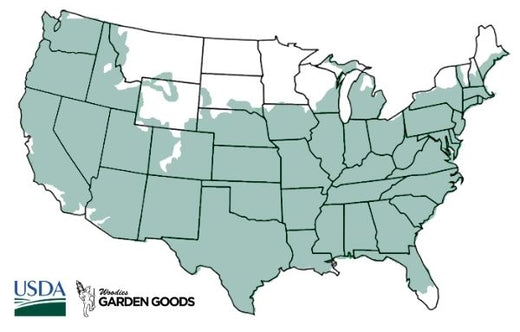
| Hardiness Zone: | 5-9 |
|---|---|
| Mature Height: | 9 to 12 Inches |
| Mature Width: | 12 to 18 Inches |
| Sunlight: | Part sun to part shade |
| Water Requirements: | Part shade to bright shade preferred; tolerates morning sun or full sun in cooler climates with moisture |
| Soil | Rich, moist, well-drained soil; adapts to average garden soil |
| Water | Water regularly after planting; prefers even moisture; avoid prolonged drought and soggy soil |
| Bloom Time / Color | Spring to early summer; brown flower spikes are generally insignificant |
| Ornamental Features | Variegated gold-and-green foliage, low mounding habit, arching texture, evergreen shade interest |
| Wildlife Value | Provides ground-level cover and texture |
| Resistance | Generally deer resistant; low maintenance; shade tolerant |
| Landscape Uses | Shade edging, container planting, woodland garden, border front, groundcover massing, rock garden, foundation planting, under shrubs, mixed perennial bed |
How to Care for Evergold Carex
Evergold CarexBe sure to read our planting instructions to ensure a healthy and happy Carex Evergold for years to come!

How should I plant Evergold Carex?
Plant Evergold Carex in part shade to bright shade with rich, moist, well-drained soil. Choose a location where the variegated foliage can brighten the planting, such as a shaded walkway, woodland edge, foundation bed, container, rock garden, or front of a mixed perennial border. Dig a hole about as wide as the root ball and just as deep. Set the crown level with the surrounding soil, backfill gently, and water thoroughly. Space plants about 12–18 inches apart for edging or mass planting, depending on how quickly you want the area to fill in.

How often should I water Evergold Carex after planting?
Water Evergold Carex deeply after planting, then keep the soil evenly moist while roots establish. During the first growing season, water when the top few inches of soil begin to dry. Established plants perform best with consistent moisture, especially in sunnier or warmer sites. Evergold can handle average garden conditions once established, but it should not be left dry for long periods during hot weather.

When should I fertilize Evergold Carex?
Evergold Carex usually needs little fertilizer when planted in rich garden soil. A light spring topdressing of compost or a mild slow-release fertilizer is usually enough. Avoid heavy feeding, which can encourage soft growth. Proper light, steady moisture, and good drainage are more important than frequent fertilizer.

When and how should I prune Evergold Carex?
Prune Evergold Carex in late winter or early spring if foliage looks tattered after winter. Use scissors, hand pruners, or shears to remove damaged foliage before fresh growth begins. In mild climates, where the foliage stays attractive, only remove browned or tired leaves as needed. Avoid cutting too late in spring once new growth has already filled in.