
Native Plants for Pollinators, Wildlife & Resilient Landscapes
Plant with purpose: region-ready beauty that supports pollinators and wildlife.
Native plants are the easiest way to build a landscape that feels natural, resilient, and full of life, because these species evolved with local seasons, soils, and the insects and birds that depend on them. In this collection, you’ll find a mix of native trees, shrubs, and perennials, exactly the ingredients you need to create layered beds that look great from spring through frost, then still hold structure when winter arrives.
The smartest “native shopping” move is to plant in layers and match the site: sun-lovers where light is strongest, woodland species where shade is consistent, and moisture-tolerant picks where soils stay evenly damp. Expect less babysitting once roots are established, plus stronger habitat value, especially when you group plants in repeating drifts so pollinators can find them, and your bed reads as intentional design. You’re backed by the We Grow Together Promise.


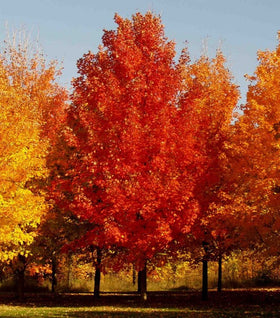
Autumn Magic Black Chokeberry
As Low As $39.95

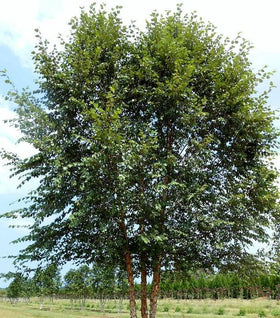
American Sycamore Tree
As Low As $99.95



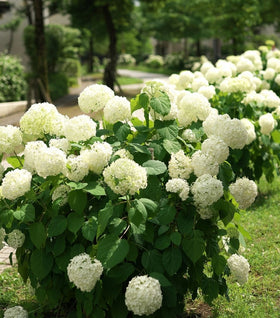
White Flowering Dogwood Tree
As Low As $119.95
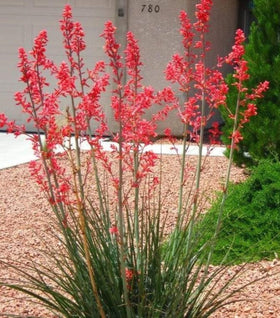

Cheyenne Spirit Coneflower
As Low As $18.95


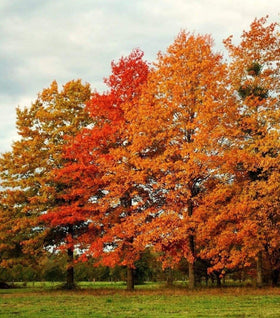

Hubricht’s Bluestar (Amsonia hubrichtii)
As Low As $29.95
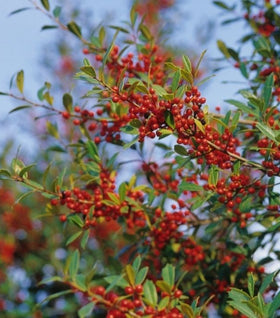
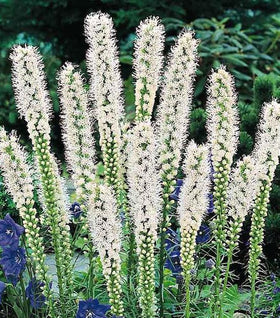
Floristan White Blazing Star
$27.95

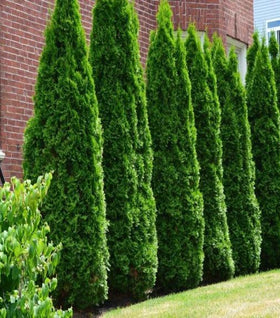
American Pillar Arborvitae – Full Speed A Hedge®
As Low As $38.95

Thuja Green Giant Arborvitae
As Low As $17.95
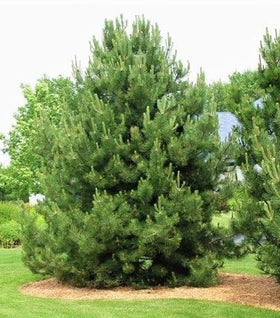
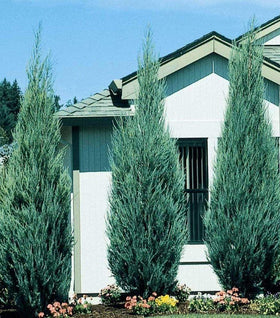
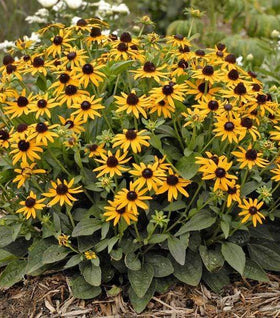
Goldsturm Black Eyed Susan
As Low As $18.95
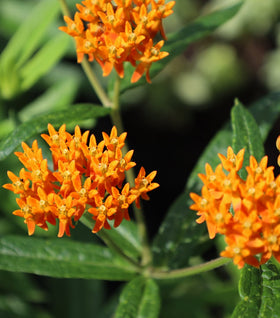
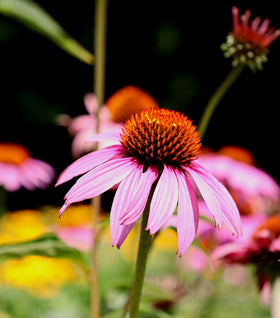
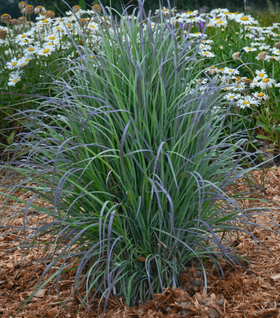
Standing Ovation Little Bluestem
As Low As $32.95

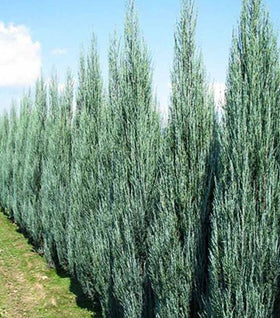
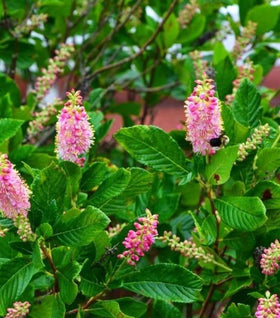


Autumn Brilliance Serviceberry
As Low As $89.95

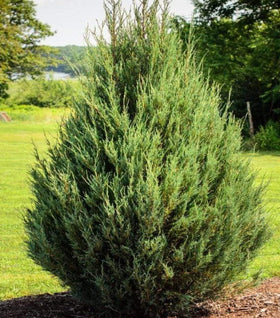
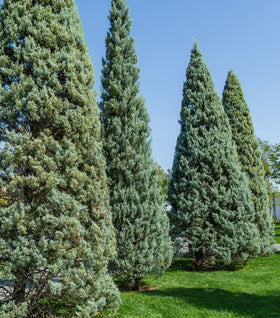
Eastern Red Cedar
As Low As $44.95
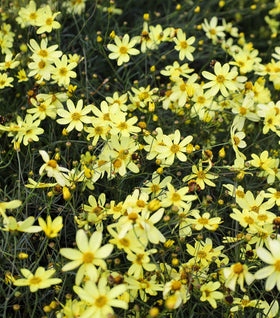
Moonbeam Coreopsis
As Low As $29.95
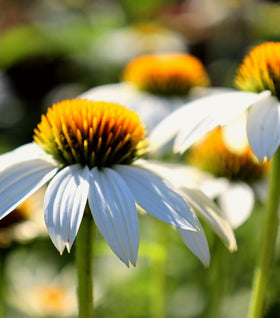


Emerald Blue Creeping Phlox
As Low As $18.95


Aster October Skies
As Low As $28.95
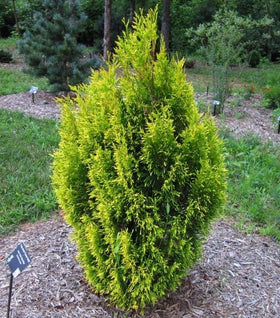
Forever Goldy™ Arborvitae
As Low As $32.95


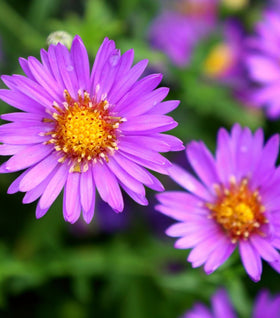
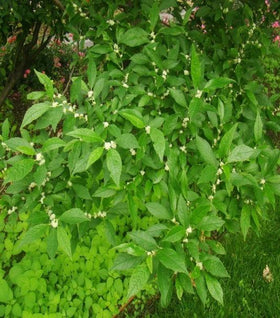
Native plants that make the landscape work harder.
Native plants do more than look good; they help your landscape function. Many references note that natives often need less water and fewer inputs than lawns, and their root systems can help with erosion control and water infiltration in the right settings. When you’re choosing plants for real-world performance, “native” can be a practical durability signal, not just a feel-good label.
This collection is designed for mix-and-match planting: trees for canopy and cooling, shrubs for structure and seasonal transitions, and perennials/grasses for color and long bloom. That’s how you get a bed that looks “layered” (and expensive) without relying on constant replanting, because the structure stays put while flowers rotate through the seasons.
Native doesn’t mean one look. You can build a crisp front-yard border, a meadow-style matrix, a woodland edge, or a rain-garden-adjacent bed, using the same native-first approach, just tuned to sun, shade, and soil moisture. The win is versatility with authenticity: plants that look right together because they’ve long shared similar ecosystems.
One important note on expectations: “native” is defined by region/ecoregion, not by the entire country as a single uniform zone. A plant can be native to one area and not to another, which is why region-fit matters for long-term success (and why smart native collections focus on appropriate natives rather than a one-size-fits-all list).
Blooms, berries, and four-season interest you can plan around.
Bloom windows in a native collection are intentionally broad because they span multiple plant types. In practice, you can plan for continuous flowers from early spring through fall by combining early-blooming trees/shrubs with summer perennials and late-season natives that provide fall resources for pollinators. That “seasonal relay” is one of the most satisfying reasons to plant native layers instead of single-season beds.
Mature size also ranges widely, from low perennials and matrix grasses to large shrubs and canopy trees. That’s a feature: it lets you build a complete, stable planting where ground layer, mid-layer, and upper layer each has a job (weed suppression/soil knitting, structure/berries, shade and habitat).
Growth rate varies by species, but many native landscapes feel “faster” because you’re using plants that fill different heights at the same time. A grass/perennial matrix can knit a bed quickly while shrubs and trees build presence year by year, giving you immediate fullness and long-term structure in one plan.
If you’re choosing cultivars (often called “nativars”), it’s smart to keep function in mind—especially for pollinator/food-web goals. Extension guidance notes that cultivar traits can change ecological value in some cases, so the best approach is to choose selections that retain the core benefits while improving garden performance (form, flowering, disease resistance) when those improvements matter to you.
Planting spots that set natives up to thrive.
Light is your first filter. Native plants span full sun prairie/meadow species, woodland/understory species for partial shade, and many flexible “edge” plants that tolerate mixed exposure, so the fastest path to success is matching the plant’s light preference to your actual site. This also helps reduce stress (and therefore pest and disease pressure) over time.
Soil moisture is your second filter. Some natives excel in evenly moist soils and can be used strategically for stormwater capture and rain-garden-style planting, while others prefer well-drained sites and handle dry spells better once established. The practical approach is to choose by moisture zone first, then by flower color and style second.
Spacing is where native plantings shift from “random” to “designed.” For perennials and grasses, tighter spacing can create a quicker matrix; for shrubs and trees, plan around mature width so you keep airflow and reduce crowding stress. If you’re building habitat value, massing the same species in drifts also makes it easier for pollinators to find resources efficiently.
Finally, use the “right plant, right place” mindset for regional restrictions and aggressive behavior. Some native species can be aggressive in managed landscapes, and invasive-plant guidance also highlights the importance of avoiding truly invasive options—so it’s worth checking notes for spread behavior and local recommendations when you’re planting near natural areas.
Simple care that builds a thriving native landscape.
Watering is most important in year one. Many native-plant resources emphasize that plants need watering and monitoring during establishment, then maintenance often drops to lighter seasonal cleanup once the planting is settled. The “native advantage” shows up after roots are in, so treat the first season as root-building season.
Pruning timing depends on whether you’re dealing with trees, shrubs, or perennials, and whether a shrub blooms on old wood or new wood. A safe, general rule is to avoid heavy pruning at random times: do structural pruning for many woody plants during appropriate dormant windows, and time post-bloom pruning for spring bloomers so you don’t remove next year’s buds.