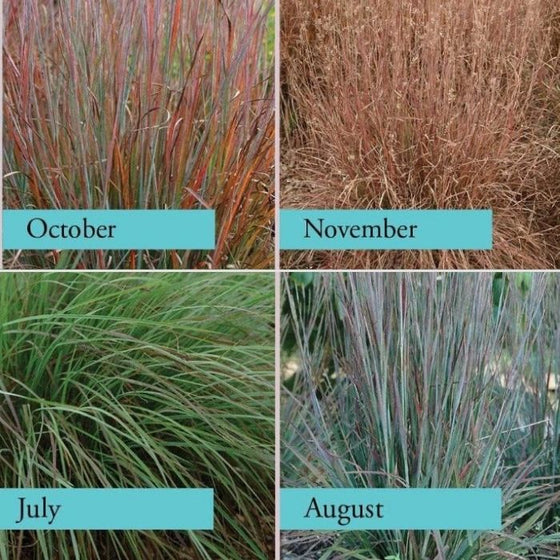


Images Depict Mature Plants
Standing Ovation Little Bluestem
Schizachyrium scoparium 'Standing Ovation' Plant Patent #25202
Standing Ovation is the native grass I recommend when someone wants big impact with low effort: it stays upright, brings four-season color, shrugs off drought once established, and looks just as good in tidy borders as it does in prairie-style drifts. If you’re ready to buy Standing Ovation Little Bluestem online, give it sun, drainage, and a little establishment watering—and you’ll get a dependable, deer-resistant, bird-friendly clump that makes your landscape look intentional year-round.

Save Up to 25% On Your Order! Limited Time Only!
Discount Applied Automatically At Checkout
📦 Free shipping on orders over $99.
Delay shipping by leaving us a message at Checkout.
Share:Recommended Add-Ons



Vibrant, Upright Native Grass with Four-Season Appeal
Native Beauty in All Four Seasons
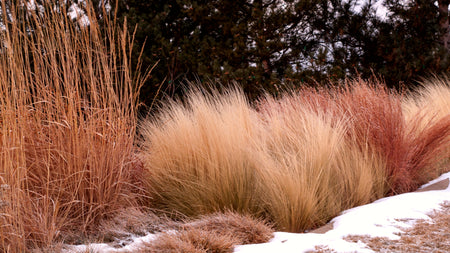
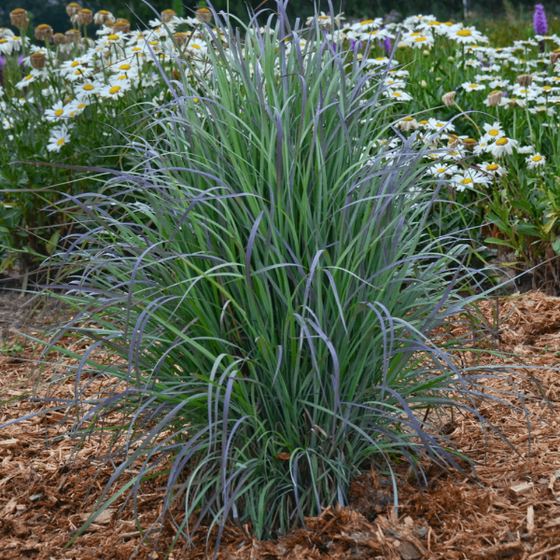
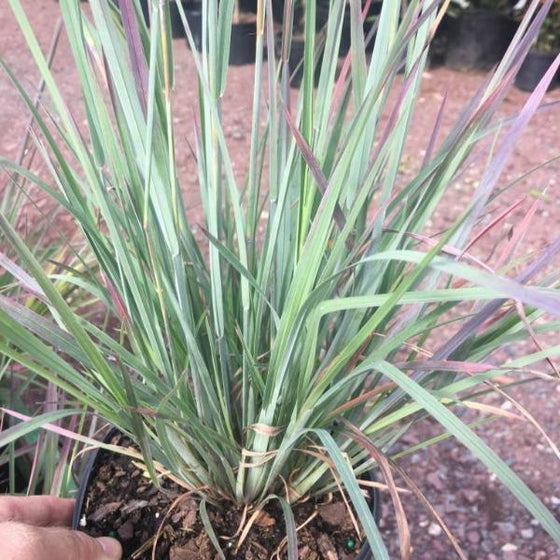
If you want a native ornamental grass that looks “designer” from spring through winter, Standing Ovation Little Bluestem is the easy yes. This warm-season grass starts out blue-green, develops richer tones as the season progresses, and then delivers a bold fall finale—often shifting into red-bronze and purple hues that remain attractive well into winter.
It’s also a smart buy for shoppers who want beauty without babysitting: once established, it’s naturally low-maintenance, thrives in sun, and brings movement and texture to beds the moment it’s planted.
Upright Growth Habit
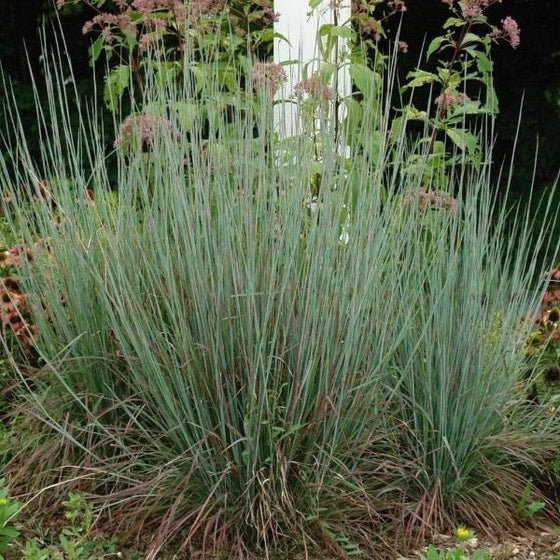
‘Standing Ovation’ is prized for its tight, upright habit—this is the Little Bluestem that holds its form and resists flopping, even when the weather turns wet and windy. Mature size is typically 3–4 feet tall and 1.5–2 feet wide, which gives you a vertical accent without crowding nearby perennials.
That “clean column” shape makes it perfect for modern borders, repeated rhythm plantings, and meadow-style drifts where you want consistent height and dependable structure.
Easy Care and Low Maintenance
Plant Standing Ovation in full sun and well-drained soil for best color and strongest stems. It’s built for tough sites—poor, sandy, or rocky soils are often ideal—and once it’s established, it becomes truly drought-tolerant with very little extra input.
The key is establishment: give it regular water during the first season, then back off—this grass prefers “lean and a little dry” conditions over rich, overwatered ones that can reduce vigor.
Landscape Uses of Standing Ovation Little Bluestem
This is a go-to native grass for borders, slopes, meadows, pollinator gardens, and naturalized plantings—especially when you want color that lasts into winter. Its deep roots help with erosion control, and the seed heads provide seasonal interest and value for birds.
Design-wise, it’s an instant “finisher”: tuck it among coneflowers, salvias, asters, and other sun-loving natives for a prairie look—or plant it in clean, repeating groups to create crisp lines and modern texture.
| Botanical Name | Schizachyrium scoparium ‘Standing Ovation’ |
|---|---|
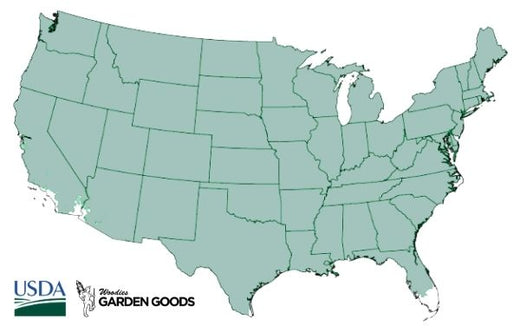
| Hardiness Zone: | 3-9 |
| Mature Height: | 3 to 4 Feet |
| Mature Width: | 1.5 to 2 Feet |
| Sunlight: | Full sun |
| Bloom Time / Color | Summer to Winter / Blue-green to red-bronze |
| Soil Condition: | Well-drained, sandy to average soil |
| Water Requirements: | Regular until established; low water once mature |
| Resistance | Deer- and rabbit-resistant; drought-tolerant; erosion tolerant |
| Landscape Uses | Borders, meadows, slopes, pollinator gardens, naturalized plantings |
How to Care for Standing Ovation Little Bluestem
Before you buy a Standing Ovation Little Bluestem, make sure to read about the recommended care instructions to keep this plant healthy and thriving.

How should I plant Standing Ovation Little Bluestem?
Begin with a location that receives full sun and has well-drained soil. Dig a hole as deep as the root ball and 2× as wide, then set the plant so the crown is level with the soil surface—that crown placement helps prevent rot and keeps the clump vigorous. Backfill with native soil, firm gently, and water thoroughly to settle everything in. For spacing, plant 18–24 inches apart for naturalized drifts and long-term airflow. If you want a faster, “filled-in” look in a border, you can plant closer together for quicker density. Finish with a light mulch layer (don’t smother the crown), and plant in spring through early fall so roots can establish before winter stress.

How often should I water Standing Ovation Little Bluestem after planting?
Water regularly during the first growing season to help roots drive deep—think consistent moisture, not soggy soil. A good rhythm is a deep soak when the top few inches begin to dry, increasing frequency during heat waves or in sandy soils. After establishment, this grass is genuinely low-water: in most landscapes, it needs little supplemental irrigation, and overwatering can do more harm than good. During extended droughts or extreme heat, a deep soak every couple of weeks helps keep the clump looking strong without turning your native planting into a high-input bed.

When should I fertilize Standing Ovation Little Bluestem?
In most gardens, you don’t need fertilizer—Standing Ovation thrives in lean soils and is known for strong stems and low maintenance when it isn’t pushed with nitrogen. If growth is weak or your soil is extremely depleted, apply a light, slow-release, balanced fertilizer in early spring as new growth starts. For a soil-building approach, top-dress with compost or leaf mold once a year to improve structure without forcing floppy growth. Avoid high-nitrogen products—strong color and upright form come from sun, drainage, and a stable, not overly rich, soil profile.

When and how should I prune Standing Ovation Little Bluestem?
Leave it standing through winter—those stems and seed heads provide texture, movement, and seasonal interest. Then cut the clump back to 3–4 inches in late winter to early spring before new growth emerges (this refreshes the crown and keeps the plant neat). Use sharp shears or hedge trimmers to make a single, clean cut across the clump. Avoid fall cutbacks—winter structure is part of what you’re buying, and spring pruning supports the healthiest warm-season regrowth cycle.