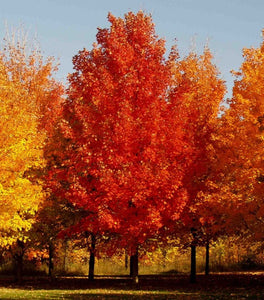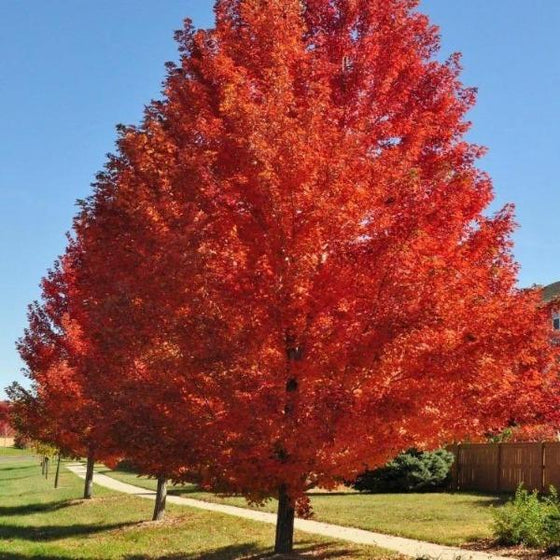
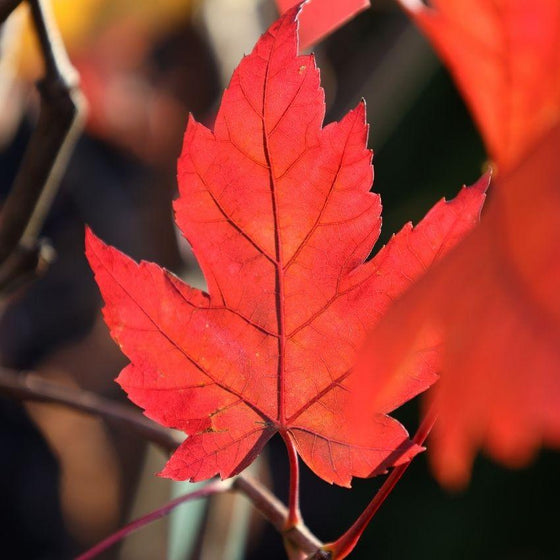


Images Depict Mature Plants
Autumn Blaze Maple Tree
Acer x freemanii 'jeffersred'
If you want that “big shade tree” feeling without the decades-long wait, Autumn Blaze Maple is a solid pick, quick canopy, classic maple shape, and fall color that really pops in full sun. The trick is giving it space and a good start: deep watering in year one, a wide mulch ring, and a little structural pruning now and then so it grows up strong and clean.

Save Up to 25% On Your Order! Limited Time Only!
Discount Applied Automatically At Checkout
📦 Free shipping on orders over $99.
Delay shipping by leaving us a message at Checkout.
Share:


Fast Shade And Fiery Fall Color From A Dependable Maple Hybrid
Fast Shade That Makes A Young Landscape Feel Established
Autumn Blaze Maple is a favorite when you want meaningful shade sooner, without waiting decades for a canopy to develop. This vigorous maple hybrid quickly forms a dense, oval crown that cools patios, lawns, and outdoor living spaces—exactly the kind of “big tree impact” that transforms how a yard feels in summer. It’s an excellent choice for large properties, new builds, and open lawns where you want a strong focal point that also serves a purpose.
The key is planning for the mature canopy from day one. Autumn Blaze grows into a large shade tree, so place it where branches can spread freely, and the shade will be most valuable long-term. Give it room away from structures, overhead lines, and tight planting beds, and you’ll get a tree that looks intentional, stays easier to maintain, and rewards you with comfortable, usable shade for years.
Blazing Orange-Red Fall Color With A Classic Maple Look
When autumn arrives, Autumn Blaze earns its name, leaves shift from deep summer green to brilliant orange and scarlet-red tones that light up the landscape. The color is showy, easy to see from the street, and often more consistent than many standard maples, making it a go-to choice for homeowners shopping specifically for fall foliage impact.
For the strongest color, aim for full sun and keep the tree growing steadily (not stressed) through summer. Even moisture and a healthy root zone help the canopy hold leaves longer and finish the season strong. Plant it where you’ll see it daily—near the driveway, the front approach, or a main window, and the fall show becomes part of the experience of your home.
Tough, Adaptable Performance In Many Common Yard Soils
Autumn Blaze is known for handling a range of typical landscape conditions, especially compared to fussier shade trees. It prefers moist, well-drained soil, but it can adapt to clay and variable soils when it’s planted correctly and watered consistently during establishment. That makes it a practical pick when you want a reliable maple look without needing “perfect” soil from the start.
Watering is the make-or-break factor early on. Deep, slow soakings build a stronger root system and reduce stress during heat. A wide mulch ring (kept off the trunk) helps soil stay cooler and more evenly moist, while also preventing turf from competing with new roots. Once established, it’s more forgiving, but steady moisture during dry spells keeps growth and fall color at their best.
Better Long-Term Shape Starts With Smart Spacing And Light Pruning
A great Autumn Blaze isn’t just about fast growth; it’s about growing with a strong structure. Because the canopy can fill in quickly, thoughtful spacing plus occasional structural pruning helps maintain a healthier, safer framework as the tree matures. The goal is simple: encourage well-spaced branches and prevent crowded, crossing growth that can lead to weak attachments over time.
Start with a clear plan: give the tree room to spread, avoid squeezing it into narrow strips, and prune lightly as needed to guide shape. Remove dead, damaged, or rubbing branches, and keep the canopy balanced rather than “lion-tailing” or over-thinning. With smart placement and minimal, consistent upkeep, you’ll get a maple that grows into a strong, beautiful shade tree, not just a fast one.
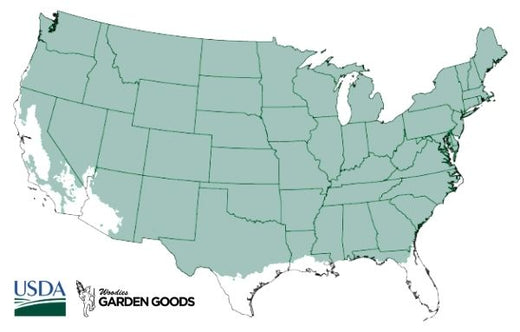
| Hardiness Zone: | 3-8 |
|---|---|
| Mature Height: | 40 to 55 feet |
| Mature Width: | 30 to 40 feet |
| Sunlight: | Full sun to partial shade (best color in full sun) |
| Bloom Time / Color | Early spring; red flowers (showy clusters before leaves) |
| Soil Condition | Adaptable; best in moist, well-drained soil |
| Water Requirements: | Moderate; consistent moisture while establishing, then deep watering during drought |
| Wildlife Value | Early-season flowers; canopy cover and seasonal seed/structure for wildlife |
| Resistance (deer/disease/drought/etc.) | Moderate drought tolerance once established; deer may browse young trees; benefits from airflow and structural pruning |
| Landscape Uses | Specimen shade tree, large lawns, driveway/entry focal point, fall color landscapes |
How to Care for Autumn Blaze Maple Tree
Be sure to read our planting instructions to ensure a healthy and happy Autumn Blaze Maple for years to come!

How should I plant Autumn Blaze Maple Tree?
Plant Autumn Blaze Maple Tree in full sun to partial shade where it has room to reach its mature spread. Dig a hole 2–3 times wider than the root ball and only as deep as the root ball so the root flare sits level with (or slightly above) the surrounding soil. Backfill with native soil, water deeply to settle, and build a wide mulch ring to protect the root zone. Keep turf and weeds out of the mulch ring so the tree doesn’t compete for water and nutrients while establishing. If the site is windy or the tree is top-heavy, stake only as needed and remove supports once the tree is stable. Strong placement and correct planting depth are the foundations of faster establishment and healthier long-term growth.

How often should I water Autumn Blaze Maple Tree after planting?
Water deeply right after planting, then keep the root zone evenly moist during the first growing season. For the first few weeks, deep watering 2–3 times per week is common when rainfall is light; after that, shift to one deep soaking per week during dry stretches, adjusting upward during heat, wind, or sandy soils. Once established, Autumn Blaze is more drought-tolerant, but it still performs best with occasional deep watering in extended summer dry periods. A broad mulch ring helps maintain consistent moisture and reduces heat stress, supporting better growth and stronger fall color.

When should I fertilize Autumn Blaze Maple Tree?
Fertilize in early spring if growth is weak or a soil test indicates a nutrient deficiency. A slow-release, balanced fertilizer applied over the root zone (not against the trunk) supports steady growth without forcing overly soft, fast growth that can create structural problems. In many landscapes, improving soil health is more valuable than frequent fertilizing. Compost top-dressing and maintaining a wide mulch ring often provide the long-term benefits Autumn Blaze responds to—better moisture retention, better soil structure, and healthier roots.

When and how should I prune Autumn Blaze Maple Tree?
Prune primarily to build good structure: remove dead, damaged, or rubbing branches and encourage well-spaced scaffold branches as the tree matures. Make clean cuts at the branch collar and avoid heavy canopy thinning, which can stress the tree and reduce the balanced crown shape you want. Light, periodic structural pruning is typically more effective than large corrective cuts later. Keep the canopy evenly distributed, avoid removing too much at once, and focus on preventing crowded branch attachments. Done consistently, pruning stays simple and the tree stays stronger.