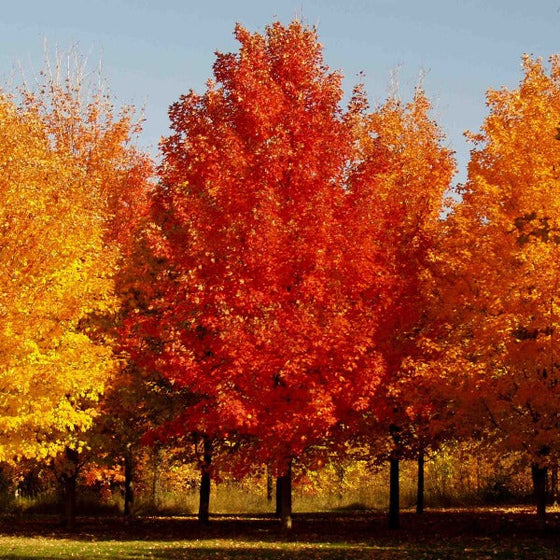


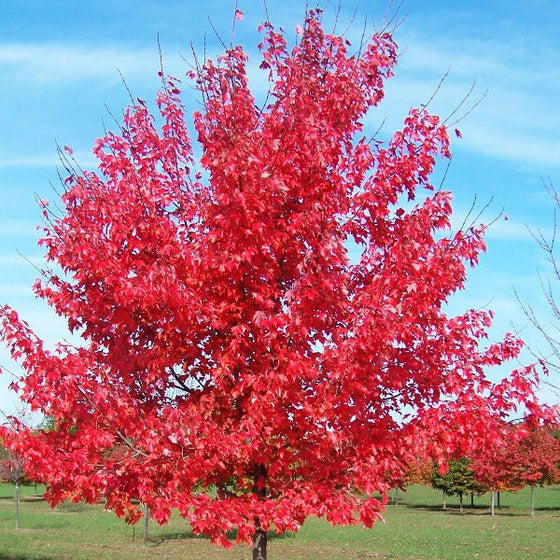


Images Depict Mature Plants
October Glory Maple Tree
Acer rubrum 'October Glory' (PNI 0268)
October Glory is one of those trees that pays you back fast, with lush summer shade, a strong upright form, and that red-orange fall color that hangs on when you’re ready for autumn to last a little longer. Give it sun, give it space, and stay consistent with deep watering in year one, and you’ll be amazed how quickly it starts to feel like a true legacy shade tree in the yard.

20% OFF SITEWIDE SALE
Use Code 'OCTOBER20' At Checkout
📦 Free shipping on orders over $99.
Delay shipping by leaving us a message at Checkout.
Share:


Fast Shade Tree With Brilliant Red-Orange Fall Color
Fast Shade That Makes A New Landscape Feel Established
October Glory Maple is a classic choice when you want real shade sooner and a canopy that looks intentional, not lanky. It develops an upright form with an oval crown, filling in to create meaningful cooling shade over lawns, patios, and outdoor living spaces. In summer, the dark green foliage reads clean and lush, giving your landscape that “finished” look that’s hard to achieve with smaller ornamental trees.
The key is planning for the mature canopy from day one. October Glory is a true shade tree, so it needs open space to spread without being squeezed near buildings, driveways, or tight planting beds. When it has room, it grows more evenly, needs less corrective pruning, and performs better through heat and drought. If you’re planting for future comfort, this tree earns its place by turning sunny areas into usable outdoor spaces and adding a strong vertical anchor to the property.
Brilliant Fall Color That Holds Later Into The Season
October Glory is famous for its autumn show; its foliage shifts from deep green to vivid tones of crimson and orange-red, often lingering later than many other maples. That late-season color is a big part of why homeowners love it: it extends the “fall moment” when other trees have already dropped leaves or faded to yellow. Planted where you’ll see it from a front window, driveway, or the patio, it becomes a seasonal event you look forward to every year.
To get the best color, give it sun and steady growth. Full sun typically produces the strongest, most consistent fall display, while even moisture through summer helps the tree avoid stress that can dull color or trigger early leaf drop. If your soil runs alkaline, color can be less intense, so pairing good site selection with a healthy mulch ring often makes a noticeable difference. The result is a reliable, high-impact fall tree that elevates curb appeal without demanding constant attention.
Adaptable Performance In Many Yard Soils With Low-Fuss Care
One reason October Glory is widely planted is its adaptability. It performs best in well-drained, slightly acidic soil, but it can handle a range of soil types, including heavier soils, when planted correctly and watered well while establishing. That makes it a practical pick for everyday landscapes that aren’t “perfect loam,” especially when you still want a refined, classic shade-tree look.
During the first growing season, consistent watering is the make-or-break factor. Deep soakings encourage deep roots, which improve stability and help the tree handle dry spells later. A wide mulch ring (kept off the trunk) moderates soil temperature, holds moisture, and prevents turf from stealing water from new roots. Once established, October Glory is more drought tolerant, but it still looks best with supplemental watering during extended dry periods—especially if you want vigorous growth and top-tier fall color.
Smart Spacing And Simple Pruning For A Strong, Beautiful Canopy
Fast growth is great, but strong structure is what makes a shade tree truly valuable. October Glory naturally forms an attractive oval canopy, and it doesn’t require “constant pruning” to look good. The goal is simple: provide adequate spacing and do occasional, light structural pruning so branches develop with good spacing and fewer future conflicts.
Start by choosing a site that allows the crown to expand naturally, then keep pruning minimally and purposefully, remove dead, damaged, or rubbing branches, and thin crowded areas as needed to improve airflow. Avoid heavy shearing or drastic thinning, which can stress the tree and create weak, overly long branches. With room to grow and a little guidance early on, October Glory matures into a strong, symmetrical shade tree that looks great from the street and stays easier to maintain in the long term.
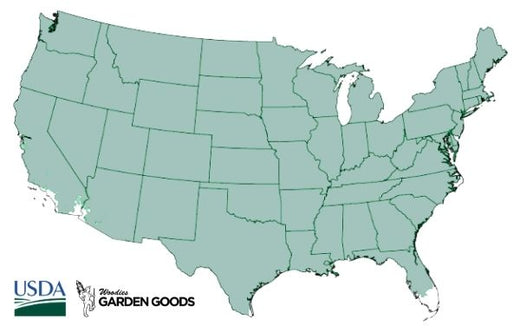
| Hardiness Zone: | 3-9 |
|---|---|
| Mature Height: | 40 to 50 Feet |
| Mature Width: | 25 to 30 Feet |
| Sunlight: | Full sun (tolerates partial shade) |
| Bloom Time / Color | Early spring; inconspicuous red flowers |
| Soil Condition: | Any well-drained soil; best in acidic soil |
| Water Requirements: | Water well until established; then drought tolerant with deep watering during dry spells |
| Wildlife Value | Supports birds and local ecosystems; canopy cover and seasonal interest |
| Resistance (deer/disease/drought/etc.) | Moderately drought tolerant once established; not fully deer resistant when young; low salt tolerance near salted roads |
| Landscape Uses | Specimen tree, focal point, shade tree, fall color interest, street tree |
How to Care for October Glory Maple Tree
Be sure to read our planting instructions to ensure a healthy and happy October Glory Maple Trees for years to come!

How should I plant October Glory Maple?
Plant October Glory Maple in full sun to partial shade where it has open space to reach its mature canopy. Dig a hole twice as wide as the root ball and just as deep, then set the tree so the root flare sits slightly above ground level. Backfill with native soil, tamp lightly to remove air pockets, and water thoroughly to settle the roots in. Finish by adding a 2–3-inch mulch layer in a wide ring around the tree, keeping it a few inches away from the trunk. If the site is windy or the root ball feels unstable, stake temporarily and remove supports after one growing season so the trunk can strengthen naturally.

How often should I water October Glory Maple after planting?
Water deeply right after planting, then continue deep watering once or twice per week during the first year, depending on rainfall, heat, and soil type. The goal is to soak the entire root zone, so roots grow down and out instead of staying shallow at the surface. Once established, October Glory Maple becomes more drought-tolerant but still benefits from deep watering during extended dry spells. Avoid frequent shallow watering, which encourages weak surface roots and can make the tree more stressed during summer heat.

When should I fertilize October Glory Maple?
Fertilize in early spring as the tree breaks dormancy, using a slow-release, balanced fertilizer applied over the root zone (not against the trunk). This supports steady growth without pushing overly soft, fast growth that can be more prone to stress. For most landscapes, one feeding per year is enough, especially when you maintain a wide mulch ring and healthy soil. If your soil is depleted or growth is noticeably weak, a soil test can guide whether additional nutrients are needed.

When and how should I prune October Glory Maple?
Prune in late winter to early spring before new growth begins to make structural decisions easier and reduce stress. Start by removing dead, diseased, or damaged wood, then address crossing or rubbing branches and thin congested areas to improve airflow through the canopy. Keep pruning light and avoid drastic cuts that can weaken the tree or disrupt its naturally symmetrical, oval form. Annual “small” pruning is far easier than large corrective pruning later, and it helps reduce the risk of breakage as the tree matures.