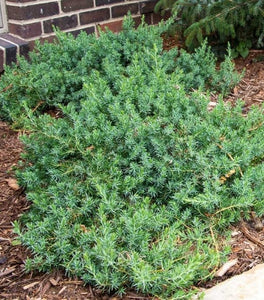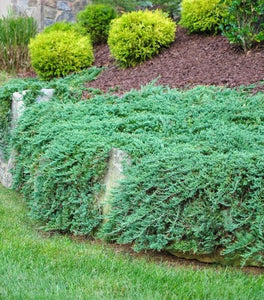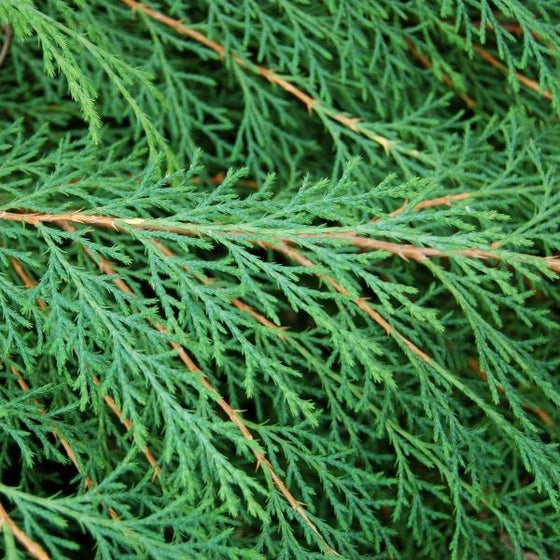


Images Depict Mature Plants
Russian Cypress
Microbiota decussata (UBC Clone)
Russian Cypress is one of those plants that solves many problems without looking overly utilitarian. It spreads beautifully, softens slopes and edges, handles cold like a champ, and gives you evergreen texture with that nice winter bronzing that makes the landscape feel alive even in the off-season.

Save Up to 25% On Your Order! Limited Time Only!
Discount Applied Automatically At Checkout
📦 Free shipping on orders over $99.
Delay shipping by leaving us a message at Checkout.
Share:



Soft Evergreen Coverage with Beautiful Seasonal Texture
A spreading evergreen that brings softness to the landscape
Russian Cypress is an excellent choice for homeowners who want evergreen coverage without the stiff or prickly look that some groundcover conifers can bring. Its feathery, layered foliage creates a softer, more graceful appearance, helping large planting areas feel natural and finished rather than flat or overly formal. It is especially useful where the landscape needs structure and texture all year, but in a low, flowing form.
Feathery foliage gives it a graceful, almost fern-like look
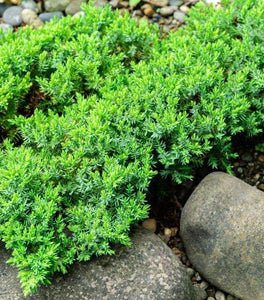
One of the most appealing traits of Russian Cypress is its foliage texture. The sprays are soft, bright green, and fine-textured, giving the plant a graceful, almost ferny look that works beautifully alongside stone, broadleaf shrubs, perennials, and other evergreens. That softer habit makes it stand out from sharper-looking groundcover conifers and helps it blend easily into both naturalistic and more designed landscapes.
Winter color adds another season of interest
Russian Cypress is evergreen, but it does not retain its color year-round. In colder weather, the foliage often shifts to bronzy, brown-purple, or russet tones, adding real seasonal interest instead of disappearing visually into winter. That color change is part of its charm and gives homeowners something different to enjoy when many other plants are dormant.
Ideal for slopes, mass plantings, and rock garden use
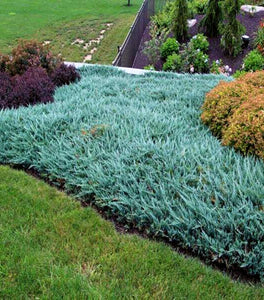
This plant is especially valuable where the goal is to cover ground attractively and reduce maintenance over time. Russian Cypress works very well on slopes, in rock gardens, along retaining walls, at the front of mixed borders, and in large mass plantings where its spreading habit can soften edges and help knit the landscape together. It is also a smart option where homeowners want a low evergreen with erosion-control potential and a strong four-season presence.
Cold hardy, deer resistant, and low maintenance once established
Russian Cypress is widely appreciated for its toughness as much as its appearance. It is extremely cold-hardy, tolerates dry conditions once established, and is often regarded as deer-resistant, which adds to its practical value in challenging sites. It performs best in well-drained soil and benefits from light shaping only when needed, making it a strong choice for homeowners who want dependable evergreen coverage without constant upkeep.
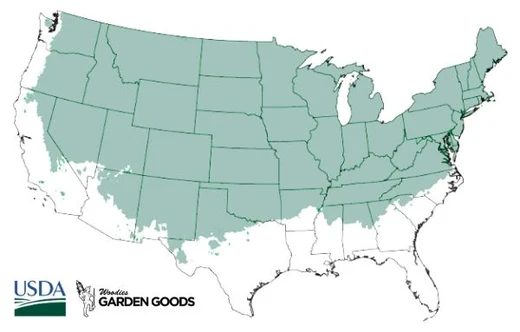
| Hardiness Zone: | 3-7 |
|---|---|
| Mature Height: | 6 to 18 inches |
| Mature Width: | 8 to 12 feet |
| Sunlight: | Full sun to part shade |
| Soil: | Well-drained soil; adaptable to average garden soils |
| Water: | Moderate during establishment; drought tolerant once established |
| Bloom Time / Color: | Grown for foliage, not flowers |
| Foliage: | Evergreen with bronzy-purple winter color shift |
| Ornamental Features: | Feathery soft foliage, spreading habit, graceful texture, winter color interest |
| Wildlife Value: | Evergreen cover value; primarily grown for foliage and groundcover performance |
| Resistance (deer/disease/drought/etc.): | Deer resistant, cold hardy, drought tolerant once established |
| Landscape Uses: | Slopes, rock gardens, ground cover, erosion-control plantings, mass plantings, border edges |
How to Care for Russian Cypress
Be sure to read our planting instructions to ensure a healthy and happy Russian Cypress for years to come!
-v1776691036051.png?92x91)
How should I plant Russian Cypress?
Plant Russian Cypress in full sun to partial shade in well-drained soil, giving it room to spread over time. Dig a hole about twice as wide as the root ball and no deeper than the root ball itself, then set the plant so the top of the root ball sits level with or slightly above the surrounding soil. Backfill with native soil, water deeply, and apply mulch around the base to help conserve moisture and reduce weed competition while the plant establishes. If you are using Russian Cypress as an evergreen ground cover or slope planting, proper spacing matters so each plant has enough room to form its natural layered spread.
-v1776691058359.png?89x84)
How often should I water Russian Cypress after planting?
Water Russian Cypress deeply right after planting, then keep the soil evenly moist during the first growing season while roots establish. In most landscapes, that means watering during dry spells or about once per week depending on rainfall, heat, and drainage. Once established, Russian Cypress becomes much more drought tolerant and usually needs supplemental water only during extended dry periods. Avoid soggy conditions, because this spreading evergreen performs best when the soil drains well and roots are not left sitting wet.
-v1776691076497.png?90x89)
When should I fertilize Russian Cypress?
Russian Cypress generally needs very little fertilizer. If needed, a light application of balanced slow-release fertilizer in early spring is enough to support healthy new growth and strong evergreen color. Avoid heavy feeding, since this plant performs well without aggressive fertilizing. In most home landscapes, proper siting, drainage, and steady moisture during establishment matter far more than frequent fertilizer applications.

When and how should I prune Russian Cypress?
Russian Cypress needs very little pruning. If shaping or cleanup is needed, light pruning in spring or early summer is usually the best approach so you can preserve the plant’s natural layered, spreading habit. Avoid heavy shearing or hard cutback. This plant looks best when allowed to keep its soft, feathery form, so pruning is usually limited to removing damaged tips or lightly refining the outline if a cleaner edge is needed.