


Images Depict Mature Plants
Golden Ragwort
Packera aurea, Senecio aureus
Golden Ragwort is one of those native groundcovers that solves a real problem in shade. It gives you bright yellow spring flowers, then keeps working as a green groundcover after bloom. I like it most in naturalized shade, rain gardens, and woodland edges where it has room to spread. Use it where coverage is the goal, not where you need a perfectly behaved formal border plant.

20% Off Sitewide Sale!
Use Code 'ENDOFSEASON20' At Checkout
📦 Free shipping on orders over $99.
Delay shipping by leaving us a message at Checkout.
Share:

A Native Yellow Spring Groundcover for Moist Shade and Woodland Gardens
Golden Ragwort Brings Early Yellow Color to Shade
Golden Ragwort is a native perennial groundcover grown for its cheerful yellow spring flowers, semi-evergreen foliage, and ability to brighten shaded garden spaces early in the season. Also known botanically as Packera aurea, this woodland wildflower creates a bold burst of color when many shade gardens are just beginning to wake up.
In spring, clusters of golden daisy-like flowers rise above the basal foliage, creating a lively yellow display in woodland borders, under-tree plantings, native gardens, and moist shaded beds. The flowers are especially valuable because they appear early, helping support small bees and other early-season pollinators.
Packera aurea Foliage Works as a Living Groundcover
After bloom, Golden Ragwort continues to earn its place with attractive basal foliage. The rounded-to-heart-shaped green leaves can remain semi-evergreen in many climates, providing a useful groundcover effect long after the flowers fade.
This foliage helps cover bare soil, soften shaded beds, and reduce weed pressure when planted in groups. In favorable conditions, Golden Ragwort can naturalize into colonies, making it a strong choice for gardeners who want a native plant that fills space rather than sitting as a single isolated specimen.
Ideal for Woodland Gardens, Rain Gardens, and Moist Shade
Golden Ragwort performs best in part shade to full shade with average to wet soil. It is especially useful in woodland gardens, rain gardens, stream edges, low areas, shaded slopes, and under deciduous trees where soil stays consistently moist.
It can tolerate full sun when moisture is consistent, but it is usually easiest to grow in shaded or partly shaded sites. Avoid hot, dry locations where the foliage may decline. Use it where natural coverage, spring color, and ecological value are more important than a clipped formal look.
Native, Pollinator Friendly, and Deer Resistant
Golden Ragwort is native to eastern North America and brings strong habitat value to native plantings. Its spring flowers provide nectar and pollen for small bees and beneficial insects during an important early-season window.
The foliage is generally considered deer-resistant because the plant contains compounds that make it less appealing to many mammalian herbivores. No plant is completely deer proof, but Golden Ragwort is a useful lower-risk groundcover for shaded areas where deer browsing can be frustrating.
Easy Care with Moisture and Room to Naturalize
Plant Golden Ragwort in moist, organic-rich soil where it has room to spread. Water regularly after planting while roots establish, then keep the soil from drying out during hot or dry periods.
Maintenance is simple. After flowering, spent bloom stalks can be cut back for a tidier look or to reduce self-seeding. Leave the basal foliage in place to function as a green groundcover. In the right site, Golden Ragwort becomes a durable, low-maintenance native planting that returns each spring with bright yellow color.
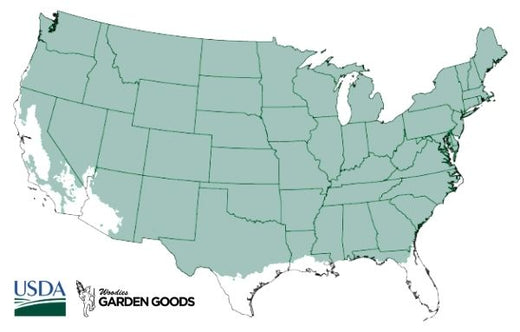
| Hardiness Zone: | 3-8 |
|---|---|
| Mature Height: | Basal foliage about 6–12 inches tall; flowering stems commonly 12–30 inches tall; |
| Mature Width: | 18 to 24 inches |
| Sunlight: | Part shade to full shade; tolerates full sun with consistent moisture |
| Soil | Average to wet, humus-rich soil; moisture-retentive soil preferred |
| Water | Water regularly after planting; prefers consistent moisture; do not allow soil to dry out |
| Bloom Time / Color: | Early to mid spring; golden-yellow daisy-like flowers |
| Foliage | Semi-evergreen to evergreen basal foliage depending on climate and winter conditions |
| Ornamental Features | Yellow spring flowers, semi-evergreen groundcover foliage, naturalizing colonies, woodland texture |
| Wildlife Value | Generally deer resistant; low maintenance in moist shade; tolerates wet soil; can spread assertively in favorable sites |
| Resistance (deer/disease/drought/etc.) | Native groundcover, woodland garden, rain garden, shade garden, under trees, moist slope, stream edge, erosion-control planting, naturalized border, pollinator planting |
| Landscape Uses | Shade groundcover, woodland gardens, under trees and shrubs, shaded borders, edging, naturalized plantings, low-maintenance shade beds |
How to Care for Golden Ragwort
After purchasing your Golden Ragwort, be sure to read our recommended care instructions to keep it happy and healthy for years to come.

How should I plant Golden Ragwort?
Plant Golden Ragwort in part shade to full shade with average to wet, organic-rich soil. Choose a site where it can spread naturally, such as a woodland garden, rain garden, under-tree planting, shaded border, stream edge, or moist slope. Dig a hole about as wide as the root ball and just as deep. Set the crown level with the surrounding soil, backfill gently, and water thoroughly. Space plants about 12–18 inches apart for quicker groundcover coverage, or farther apart if you want them to fill in gradually.

How often should I water Golden Ragwort after planting?
Water Golden Ragwort deeply after planting, then keep the soil consistently moist while roots establish. During the first growing season, check the soil regularly and water when the top few inches begin to dry. Established plants perform best in moist soil and should not be allowed to dry out for long periods. In full sun or during summer drought, supplemental watering may be needed to keep the foliage attractive.

When should I fertilize Golden Ragwort?
Golden Ragwort usually needs little fertilizer when planted in organic-rich woodland soil. A light spring topdressing of compost, shredded leaves, or leaf mold is usually enough to support healthy growth. Avoid heavy fertilizing, especially with high-nitrogen products. Too much fertility is unnecessary and may encourage overly aggressive growth. Moisture, mulch, and good placement are more important than frequent feeding.

When and how should I prune Golden Ragwort?
Prune Golden Ragwort after flowering to achieve a tidier appearance or reduce self-seeding. Cut the spent flower stalks back to the basal foliage after bloom. Leave the low green foliage in place so it can continue to function as groundcover. In late winter or early spring, remove any tired or damaged foliage before new growth and flower stems emerge.


