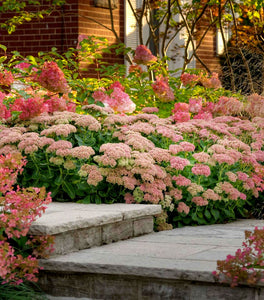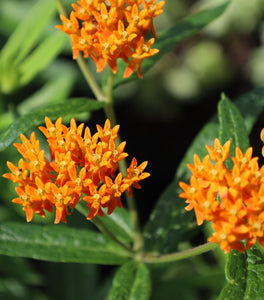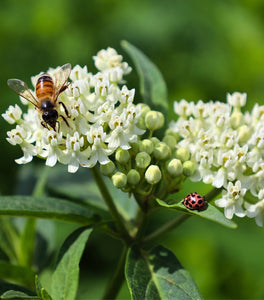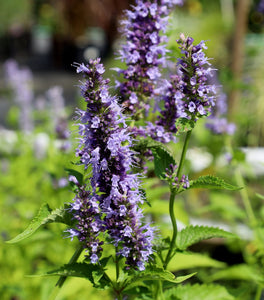



Images Depict Mature Plants
Swamp Milkweed (Asclepias incarnata)
Asclepias incarnata
If you want a plant that earns its space, swamp milkweed is it—fragrant pink summer blooms, a clean upright habit, and real monarch value in one easy native perennial. It’s the kind of purchase that turns a wet spot or rain-garden area into a feature, and it pairs beautifully with grasses and late-season perennials for a natural, designed look. Plant it in the sun with consistent moisture the first season, then enjoy the pollinator show for years.

20% OFF SITEWIDE SALE
Use Code 'OCTOBER20' At Checkout
📦 Free shipping on orders over $99.
Delay shipping by leaving us a message at Checkout.
Share:Recommended Add-Ons



Buy Swamp Milkweed for Monarch Habitat, Rain Gardens, and Summer Bloom Power
Buy Swamp Milkweed for Monarch Caterpillars and Pollinator-Nectar Blooms
Swamp milkweed (Asclepias incarnata) is a native perennial that does two big jobs at once: it’s a larval host plant for monarchs and a high-nectar summer bloomer for butterflies, bees, and more. If you want your landscape to look beautiful and do something meaningful, this is one of the highest-return plants you can add.
When you buy swamp milkweed, you’re choosing a more “garden-friendly” milkweed look—upright, clump-forming, and easy to mix into designed borders—while still delivering the milkweed benefit monarchs need.
A Clump-Forming Native Perennial with Easy, Upright Structure
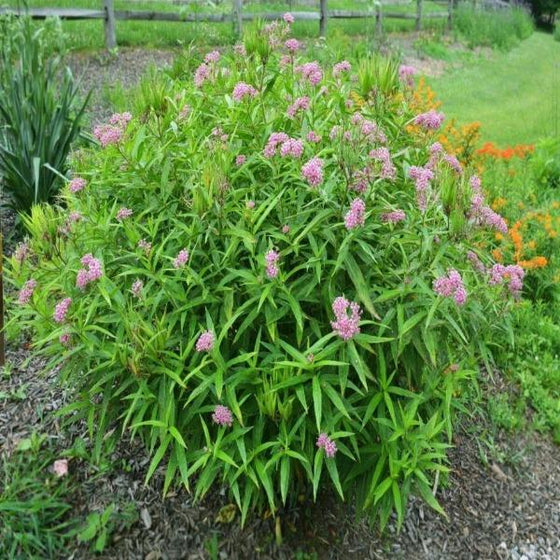
Swamp milkweed typically grows about 3–4 feet tall (sometimes to 5 feet) and forms an upright clump rather than running aggressively underground like some milkweed relatives. It’s a strong mid-border plant: tall enough to read as structure, but refined enough to pair with perennials and ornamental grasses.
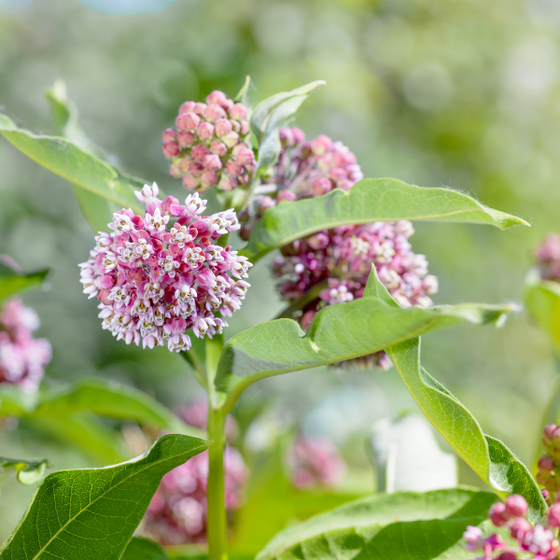
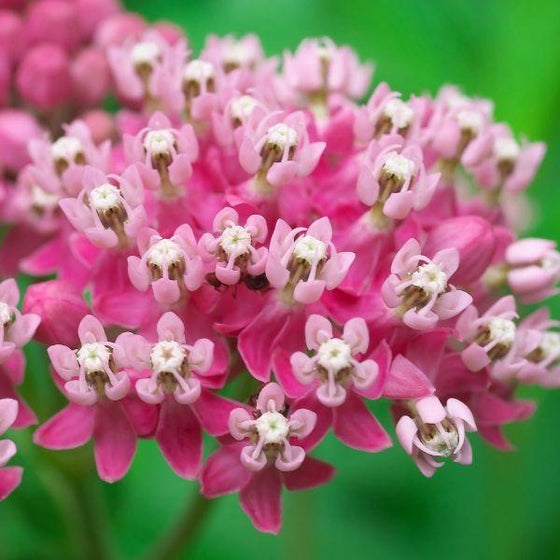
Flowers appear in tight clusters (umbels) at the stem ends, and the plant’s branching habit creates a full, “bouquet” look in bloom—especially when planted in small groups.
The “Moist-Sun” Sweet Spot for Rain Gardens and Low Spots
For optimal performance, plant swamp milkweed in full sun (it tolerates partial shade) and provide moist to wet soil—it naturally occurs in wet meadows and along waterways, but adapts well to average garden moisture once established. It also tolerates heavier soils like clay/loam when the moisture is consistent.
Keep watering consistent during establishment (first growing season). After roots settle in, it’s far less fussy—especially compared with plants that hate periodic wet feet.
Buy It for Rain Gardens, Pond Edges, and a “Living Monarch Patch”
Swamp milkweed shines in rain gardens, bioswales, pond edges, and any spot that stays evenly moist. It’s also excellent in sunny borders where you want a naturalistic, pollinator-forward look with real summer color.
Design it like a feature: plant it in drifts, then weave in blue- and purple-flowering companions (asters, salvias) and warm-season grasses for movement. The result feels intentional—and it turns a wet area into a showcase.
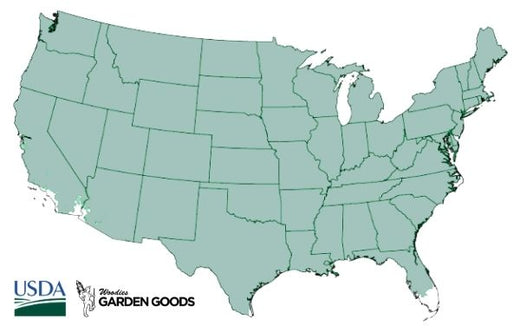
| Hardiness Zone: | 3-9 |
|---|---|
| Mature Height: | 3 to 5 Feet |
| Mature Width: | 2 to 3 Feet |
| Sunlight: | Full sun to partial shade |
| Soil: | Moist to wet; adaptable; clay/loam tolerant |
| Bloom Time / Flower Color: | Summer; pink to mauve |
| Flowering Season: | Mid-June through frost |
| Water: | Medium–high; consistently moist during establishment |
| Wildlife Value | Monarch/queen larval host; strong nectar plant for pollinators |
| Resistance | Often deer-resistant (milky sap deterrent) |
| Landscape Uses | Rain gardens, wet meadows, pond edges, pollinator borders |
How to Care for Swamp Milkweed (Asclepias incarnata)
Before you buy a Swamp Milkweed make sure to read about the recommended care instructions to keep this plant healthy and thriving.

How should I plant Swamp Milkweed?
Choose a site with full sun to partial shade and soil that holds consistent moisture (a rain-garden zone or a spot that stays evenly damp is ideal). Dig a hole about 2x as wide as the root ball and set the plant at the same depth it was growing—avoid burying the crown. Backfill, firm gently, and water deeply to settle soil around the roots. Space plants so each clump can mature with airflow, then mulch lightly to reduce weeds and keep soil temperature steady (keep mulch off the stem base). Planting in spring through early fall works well; the key is steady moisture through the first growing season so roots establish before heat or winter.

How often should I water Swamp Milkweed after planting?
Water consistently during establishment—especially for the first 6–10 weeks. Aim for deep watering that keeps the root zone evenly moist (not bone-dry between irrigations). If your site drains quickly, you may water more often; if you’re in a naturally damp area, rainfall may do most of the work. Once established, swamp milkweed is much more forgiving in average-to-moist garden soil, but it will always perform best with consistent moisture. During heat waves or drought stretches, a deep soak helps keep foliage lush and bloom production steady.

When should I fertilize Swamp Milkweed?
In most landscapes, swamp milkweed does not need heavy fertilizing—excess nitrogen can promote leafy growth rather than blooms. If your soil is very lean, apply a light, balanced fertilizer in early spring as shoots emerge, or top-dress with compost to feed slowly. A simple, high-success approach is soil-building: add compost annually and maintain a thin mulch layer. That improves moisture-holding and soil structure—exactly what this plant responds to—without creating floppy, overfed growth.

When and how should I prune Swamp Milkweed?
During the growing season, you can deadhead spent flower clusters if you want a tidier look (and to reduce self-seeding). Otherwise, let seed pods mature if you want natural reseeding and winter interest—just know seeds are wind-dispersed. For cleanup, cut stems back after frost or in late winter/early spring before new growth starts. Leave a few inches of stem as a marker, then remove old growth as the season turns—this keeps the patch clean and makes room for fresh shoots.