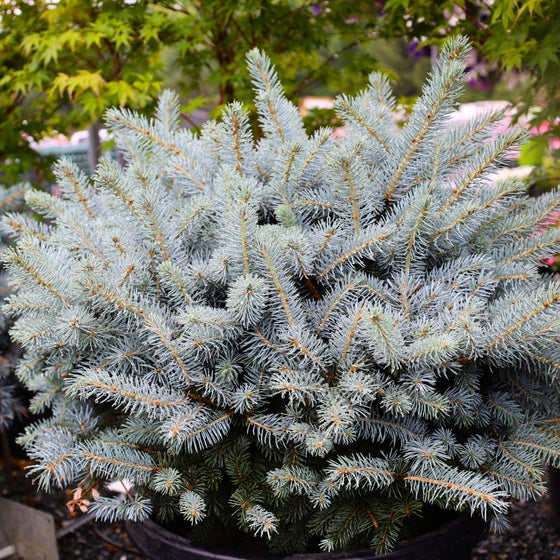
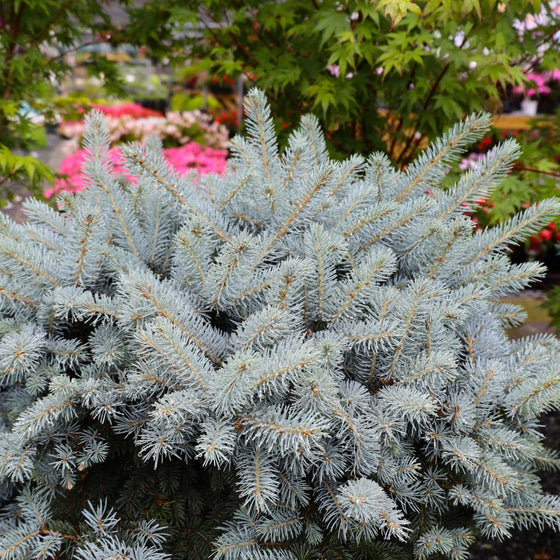
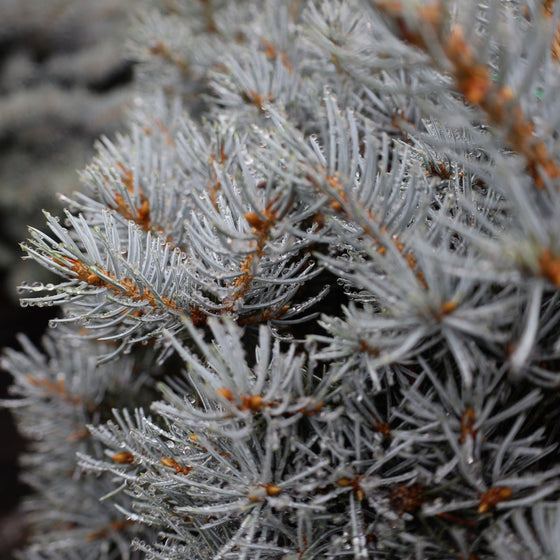


Images Depict Mature Plants
Globe Blue Spruce
Picea pungens 'Globosa'
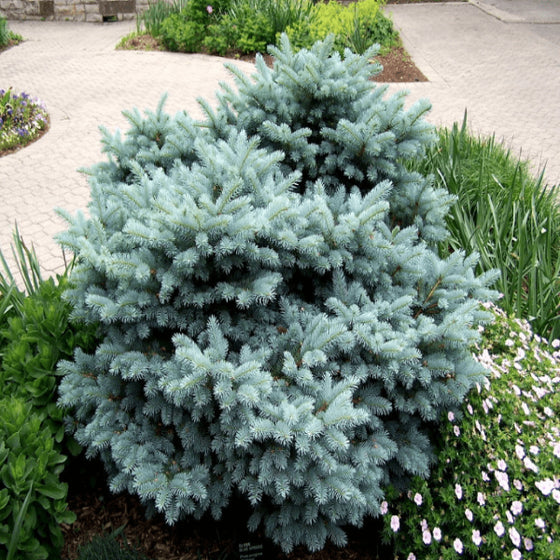
Globe Blue Spruce is one of those evergreens that earns its place with color alone, but the compact, rounded habit is what really makes it useful. I like it in foundation beds, rock gardens, and smaller focal-point spaces where homeowners want a blue evergreen shrub that stays refined and manageable. It gives you year-round structure, a silver-blue color, and a strong conifer look without the space a full-sized spruce would need.

Save Up to 25% On Your Order! Limited Time Only!
Discount Applied Automatically At Checkout
📦 Free shipping on orders over $99.
Delay shipping by leaving us a message at Checkout.
Share:


Silver-Blue Evergreen Color for Compact Garden Structure
Brilliant silver-blue color that stands out all year
Globe Blue Spruce is prized for its bright silver-blue needles, which give the landscape a cooler, cleaner look in every season. That foliage color holds well through the year and becomes especially eye-catching when planted against dark mulch, green shrubs, stone, or brick. In foundation beds, island plantings, and conifer groupings, it adds a strong splash of color without relying on flowers or seasonal leaf change to stay interesting.
Because the foliage is both colorful and evergreen, this plant keeps performing even as many other shrubs fade into the background. It adds brightness in winter, contrast in summer, and a more polished look year-round in mixed borders. Homeowners who want a compact evergreen that feels special without becoming flashy often find Globe Blue Spruce to be the perfect middle ground between dependable structure and real ornamental appeal.
Compact, rounded form for smaller spaces and a clean design
One of the biggest reasons gardeners choose Globe Blue Spruce is its naturally rounded, globe-like shape. This is a dwarf conifer that stays relatively low and broad, typically maturing around 3 to 5 feet tall and 4 to 6 feet wide, which makes it an excellent fit for smaller gardens, front foundation beds, edging transitions, and compact specimen plantings. Its flattened, mounded form gives it a tidy architectural quality without making it look stiff or overly formal.
That manageable size makes planning much easier. It can sit beneath windows, anchor a corner bed, or act as a focal accent in a rock garden without threatening to overwhelm the surrounding space. Gardeners who want evergreen structure but do not have room for a full-sized blue spruce often find this cultivar especially useful because it delivers the same cool-toned needle color in a much more residential-friendly footprint.
Evergreen performance with low-maintenance appeal
Globe Blue Spruce performs best in full sun and well-drained soil, where it develops dense growth and the strongest needle color. It prefers evenly moist soil during establishment and appreciates slightly acidic, well-drained soils that are not waterlogged. Once rooted in, it shows some drought tolerance and usually becomes a relatively low-maintenance plant in the landscape, especially in cooler climates where blue spruce types generally perform best.
It is also valued for its resistance to deer and rabbits, as well as its ability to provide year-round structure without constant pruning. Most of the time, the plant holds its rounded form naturally, though occasional upright shoots can be removed if needed to maintain the compact globe habit. For homeowners who want a colorful evergreen with dependable structure and minimal fuss, this is a very strong choice.
A versatile fit for foundations, rock gardens, and containers
Globe Blue Spruce works beautifully in foundation plantings, rock gardens, mixed conifer borders, and small landscape beds where evergreen texture and color are needed without too much height. It can be used as a single accent or repeated through a planting for rhythm and continuity. The silver-blue needles pair especially well with burgundy foliage, deep green evergreens, ornamental grasses, and flowering perennials, giving the whole bed a stronger contrast and definition.
It can also perform very well in a large container, where its slow growth and compact shape make it easier to manage than many larger conifers. In patio or entry settings, it adds a permanent evergreen structure and can anchor seasonal plantings around it. For gardeners who want a distinctive evergreen that fits into both formal and relaxed designs, Globe Blue Spruce offers excellent versatility in a compact package.
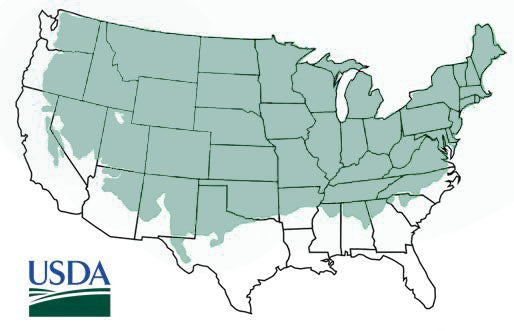
| Hardiness Zone: | 2-7 |
|---|---|
| Mature Height: | 3 to 5 Feet |
| Mature Width: | 3 to 4 Feet |
| Sunlight: | Full sun |
| Bloom Time / Color: | Non-flowering; grown for silver-blue evergreen needles |
| Soil: | Average to rich, slightly acidic, moist, well-drained soil |
| Water Requirements: | Medium; regular water during establishment, some drought tolerance once established |
| Wildlife Value: | Provides year-round cover and shelter for birds |
| Resistance (deer/disease/drought/etc.): | Deer resistant, rabbit resistant, somewhat drought tolerant, urban tolerant |
| Landscape Uses: | Foundation beds, rock gardens, specimen plantings, mixed conifer borders, containers, low hedges |
How to Care for Globe Blue Spruce
Before you buy a Globe Blue Spruce Shrub, be sure to read the recommended care instructions to ensure your plant stays happy and healthy for years to come!

How should I plant Globe Blue Spruce?
Plant Globe Blue Spruce in full sun in well-drained soil, setting the top of the root ball level with the surrounding grade. Dig a hole two to three times wider than the root ball and no deeper than the root ball itself, then backfill with the native soil so the roots can spread naturally into the surrounding area. Water thoroughly after planting and add a light mulch layer around the base to help hold moisture and regulate soil temperature, keeping mulch away from direct contact with the stem. Give the plant enough space to mature into its rounded form so the blue needles and compact habit can be appreciated without crowding.

How often should I water Globe Blue Spruce after planting?
Water Globe Blue Spruce deeply and regularly during the first few growing seasons so it can establish a strong root system. The soil should stay evenly moist but not soggy, and in most landscapes that means a deep watering once or twice a week depending on rainfall, soil type, and temperature. After establishment, it can handle short dry periods better, but it still performs best when it does not dry out excessively. Deep watering is more useful than frequent shallow irrigation because it encourages stronger roots and helps the plant stay healthier during warm weather.

When should I fertilize Globe Blue Spruce?
Fertilize Globe Blue Spruce in early spring before new growth begins if the plant needs support. A balanced slow-release fertilizer or a modest topdressing of compost is usually enough to encourage healthy color and steady growth without pushing overly soft new growth. In many garden soils, heavy feeding is unnecessary for this slow-growing conifer. A restrained approach helps preserve the dense, rounded habit and avoids forcing growth that can make the plant look looser or less refined.

When and how should I prune Globe Blue Spruce?
Prune Globe Blue Spruce only lightly and only when needed, usually in late winter or early spring. Remove any dead or damaged growth, and clip out upright shoots that interrupt the natural globe shape, as they can make the plant look less compact over time. This shrub generally looks best when its natural form is preserved rather than heavily shaped. Minimal pruning keeps the silhouette tidy while allowing the dense silver-blue foliage to remain the main feature in the landscape.