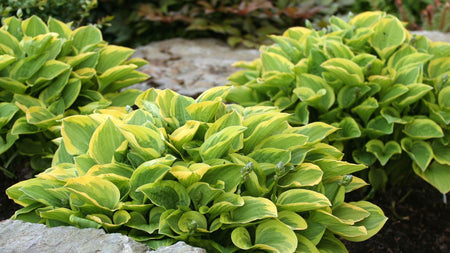
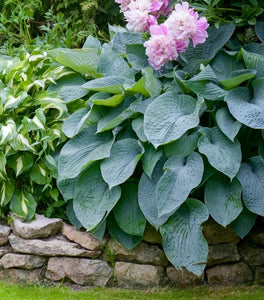
Images Depict Mature Plants
Blue Mouse Ears Hosta
Hosta 'Blue Mouse Ears'
Blue Mouse Ears Hosta is one of those plants that proves bigger isn't always better. I've always appreciated Hostas with distinctive foliage, and this one is particularly special because its leaves are thick, rounded, and beautifully blue-green, almost like little mouse ears. What really sets it apart is the combination of its miniature size, symmetrical growth habit, and improved resistance to slug damage. I especially like using Blue Mouse Ears in decorative containers, shaded rock gardens, and along woodland paths where you can appreciate those unusual leaves up close. Give it bright shade, organically rich soil, and consistent moisture, and protect it from intense afternoon sunlight. If you're looking for a small, award-winning blue Hosta with outstanding foliage, Blue Mouse Ears is one of the best choices I can recommend.
$20.76 with code WEEKEND20 at checkout Save $5.19
📦 Free shipping on orders over $99.
Delay shipping by leaving us a message at Checkout.
Share:



An Award-Winning Miniature Blue Hosta with Charming Rounded Leaves
Miniature Blue Mouse Ears Hosta Brings Big Personality to Small Spaces
Blue Mouse Ears Hosta is proof that a plant doesn't have to be large to make a lasting impression. This charming miniature blue Hosta produces unusually thick, nearly round leaves that resemble tiny mouse ears. Its blue-green to gray-blue foliage forms an exceptionally neat, symmetrical mound that creates an attractive accent in shaded gardens. Botanically known as Hosta ‘Blue Mouse Ears’, this remarkable perennial combines distinctive leaf texture with a compact growth habit that makes it different from traditional Hostas.
What I particularly appreciate about Blue Mouse Ears is its ability to add beautiful blue foliage without overwhelming neighboring plants. Larger Hostas are wonderful for filling substantial planting spaces, but this little variety is ideal when a more delicate, carefully arranged appearance is desired. Plant it along a shaded walkway, tuck it between decorative stones, or feature it in a small patio container. Its rounded leaves and naturally tidy shape make it one of the most appealing choices for homeowners seeking a miniature Hosta with exceptional ornamental appeal.
Thick, Rounded Blue Leaves Offer Better Resistance to Slug Damage
One of the greatest advantages of Blue Mouse Ears Hosta is the remarkable thickness of its foliage. The small, rounded leaves have an almost rubbery texture that makes them considerably more substantial than the thin leaves found on many traditional Hostas. This characteristic provides improved resistance to slug and snail feeding, helping the plant maintain a cleaner, more attractive appearance throughout the growing season. Although no Hosta is completely immune to slug damage, Blue Mouse Ears is an excellent choice for gardeners who want a variety that naturally holds up better.
The foliage displays beautiful blue-green to soft gray-blue coloration, particularly when grown in filtered shade. This blue appearance comes from a natural waxy coating on the leaf surface, which can gradually diminish with excessive sunlight, heavy handling, or normal seasonal weathering. For the richest blue foliage, position Blue Mouse Ears where it receives morning sunlight or bright filtered shade, while avoiding intense afternoon exposure. The result is an attractive miniature perennial with leaves that look almost sculpted, bringing a cooling color and unusually substantial texture to the shade garden.
A Compact Hosta Perfect for Containers, Edging, and Rock Gardens
Blue Mouse Ears Hosta is particularly valuable because of its small mature size and symmetrical mounding habit. Established plants typically develop a foliage mound approximately 6 to 8 inches tall and around 12 inches wide, making them especially useful in spaces where larger Hostas would quickly become overcrowded. The plant expands gradually into a dense, rounded clump rather than rapidly spreading across the garden, allowing it to retain its distinct shape for years.
This miniature growth habit makes Blue Mouse Ears an outstanding choice for decorative containers, shaded rock gardens, garden edging, and small woodland borders. Use several plants to create a neat row of blue foliage along a walkway, or combine one specimen with miniature Ferns and contrasting golden foliage in a decorative planter. The thick, rounded leaves look especially beautiful beside natural stone and finely textured companions. For homeowners who enjoy container gardening, Blue Mouse Ears offers an opportunity to appreciate the unique details of a Hosta up close without needing a large planting area.
Lavender Summer Flowers Add Another Beautiful Ornamental Feature
Although Blue Mouse Ears Hosta is grown primarily for its foliage, its summer flowers are an attractive bonus. In midsummer, the plant produces lavender-to-purple bell-shaped flowers on short, sturdy stalks that rise approximately 12 inches above the ground. Unlike some Hostas that develop very tall flower stalks, Blue Mouse Ears maintains a beautifully proportioned display, with the flowers appearing just above the compact blue foliage.
The flower buds are especially interesting because they develop a rounded, balloon-like appearance before opening. As the lavender blossoms unfold, they provide a soft contrast to the substantial blue-green leaves and may attract visiting hummingbirds. This combination of unusual buds, attractive summer flowers, and distinctive foliage gives Blue Mouse Ears ornamental appeal beyond its miniature size. Once flowering is finished, the spent stalks can be removed to restore the plant's tidy appearance, allowing the thick blue leaves to remain the main attraction through the rest of the growing season.
An Award-Winning Miniature Hosta with Exceptional Garden Performance
Blue Mouse Ears Hosta has earned a remarkable reputation among horticulturists and Hosta enthusiasts. Originally developed as a sport of Blue Cadet Hosta, it was selected for its exceptionally rounded leaves, substantial foliage texture, and compact, balanced growth habit. Its distinctive appearance and garden performance earned it the 2008 American Hosta Growers Association Hosta of the Year award, one of the most recognizable honors among Hosta varieties.
The plant also received the 2004 American Hosta Society Best Blue Leaf Award and the 2012 Royal Horticultural Society Award of Garden Merit. These recognitions reinforce what gardeners quickly discover when growing Blue Mouse Ears: it offers an unusually attractive combination of foliage, size, and dependable performance. While newer miniature Hostas continue to enter the marketplace, the original Blue Mouse Ears remains one of the most desirable selections for gardeners seeking a proven, award-winning blue Hosta that performs beautifully in small shaded spaces.
Create Beautiful Shade Gardens with Blue and Golden Foliage
Blue Mouse Ears Hosta is especially effective for introducing contrasting foliage color and texture into shaded landscapes. Its small blue-green leaves create a beautiful combination with golden Hostas, chartreuse Heuchera, Japanese Forest Grass, and dark green Ferns. The rounded foliage provides a completely different texture from the narrow blades of ornamental grasses and the finely divided leaves of woodland Ferns, helping create a more visually interesting planting.
For a beautiful shade-garden arrangement, combine Blue Mouse Ears Hosta with Gold Standard Hosta or golden-leaved Heuchera to highlight the contrast between blue and yellow foliage. In smaller planting areas, group several Blue Mouse Ears plants along the edge of a path or between larger shade perennials, where they can serve as repeated accents. Their compact, well-behaved growth habit makes them particularly useful for detailed garden designs where individual plant shapes are important. Even when the lavender flowers are not present, the rounded blue leaves provide beautiful color and structure throughout the growing season.
Easy-Care Blue Hosta for Partial Shade and Woodland Gardens
Blue Mouse Ears Hosta thrives in partial shade to full shade, making it an excellent choice for woodland gardens, shaded foundations, and protected planting beds. It prefers organically rich, moist but well-drained soil that supports healthy root development without allowing the crown to remain saturated. Gentle morning sunlight is beneficial, but the foliage should be protected from intense afternoon sun, particularly in warmer growing regions. Excessive direct sunlight can cause leaf scorching and reduce the attractive blue appearance.
Once established, Blue Mouse Ears is a relatively low-maintenance, long-lived shade perennial. Water regularly during its first growing season, maintain a consistently moist soil during hot weather, and apply a light layer of organic mulch without covering the crown. Remove damaged leaves and spent flower stalks as needed, then allow the plant to enter its natural winter dormancy. Although its thick leaves provide some protection against slug feeding, deer and rabbits may still browse the foliage, making protection important where wildlife pressure is high. With proper care, this charming miniature Hosta returns each spring with fresh blue leaves and a beautifully rounded shape.

| Hardiness Zone: | 3-9 |
|---|---|
| Mature Height: | 6 to 8 inches |
| Mature Width: | 10 to 12 inches |
| Sunlight: | Part shade to full shade (morning sun OK; avoid hot afternoon sun) |
| Bloom Time / Color: | Midsummer; lavender to purple flowers |
| Soil Condition: | Rich, well-drained soil with consistent moisture |
| Water Requirements: | Moderate; keep evenly moist during establishment |
| Wildlife Value | Flowers can attract bees and other beneficial pollinators |
| Resistance (deer/disease/drought/etc.) | Slug resistant foliage; deer and rabbits may browse; not drought tolerant |
| Landscape Uses | Shade gardens; woodland borders; containers; rock gardens; edging; miniature gardens |
How to Care for Blue Mouse Ears Hosta
After purchasing your Blue Mouse Ears Hosta, be sure to read our care instructions to ensure this perennial is happy and healthy for years to come.

How should I plant Blue Mouse Ears Hosta?
Plant Blue Mouse Ears Hosta in partial shade to full shade, choosing a location with organically rich soil that retains moisture while allowing excess water to drain. Gentle morning sunlight or filtered shade provides ideal growing conditions, while protection from intense afternoon sun helps preserve the plant's attractive blue foliage. Dig a planting hole approximately twice as wide as the root ball and just as deep. Position the plant so the crown remains level with the surrounding soil, then backfill gently and water thoroughly. Space Blue Mouse Ears Hostas approximately 12 inches apart when creating a compact border, allowing additional space if you want each rounded mound to remain clearly separated. This miniature Hosta looks especially attractive along shaded walkways, in rock gardens, and in decorative containers. For container planting, choose a pot with drainage holes and use a quality, moisture-retentive but well-draining potting mix. Avoid burying the crown beneath thick mulch or excess soil, as this can encourage crown problems.

How often should I water Blue Mouse Ears Hosta after planting?
Water Blue Mouse Ears Hosta thoroughly immediately after planting, then maintain reasonably consistent soil moisture during establishment. Check the soil regularly during the first growing season and water when the upper inch begins to dry. Plants growing beneath mature trees may require additional attention because established roots compete for available moisture. Apply water slowly around the root zone rather than frequently wetting the foliage. Once established, Blue Mouse Ears can tolerate occasional short dry periods, but even soil moisture produces the healthiest, most attractive blue foliage. Prolonged drought can lead to browning leaf edges or reduced growth. Container-grown plants generally require more frequent watering during warm weather because potting soil dries faster than garden soil. Avoid allowing the roots to remain continuously saturated, since good drainage is essential for long-term plant health.

When should I fertilize Blue Mouse Ears Hosta?
Blue Mouse Ears Hosta generally requires only modest fertilization when planted in organically rich garden soil. In early spring, as new shoots begin emerging, apply a thin layer of compost or a balanced slow-release perennial fertilizer according to the manufacturer's instructions. This supports the development of the plant's thick, rounded leaves and helps maintain a healthy, compact mound. Keep fertilizer away from the crown to avoid damaging tender emerging growth. For container-grown Blue Mouse Ears, occasional light feeding during active growth may be beneficial when nutrients in the potting mix become depleted. However, avoid excessive fertilizer, particularly high-nitrogen applications that can encourage soft, unnecessary growth. Proper shade, healthy soil, adequate drainage, and consistent moisture are more important than frequent feeding for maintaining this miniature Hosta's attractive appearance.

When and how should I prune Blue Mouse Ears Hosta?
Blue Mouse Ears Hosta requires very little pruning because it naturally forms a neat, symmetrical mound. During the growing season, remove individual leaves that become damaged by storms, pests, or other problems. After the lavender flowers finish blooming, cut the spent flower stalks close to their base to restore the plant's tidy appearance. Avoid removing healthy foliage unnecessarily, since the leaves help the plant store energy for the following spring. As temperatures cool in fall, Blue Mouse Ears enters its natural winter dormancy and the foliage gradually dies back. Remove dead leaves after dormancy or during early spring cleanup, taking care not to damage emerging shoots. Established clumps can be divided in spring or early fall when necessary, although this compact variety generally does not need frequent division. Its naturally slow-to-moderate growth allows it to remain attractive for many years with minimal maintenance.