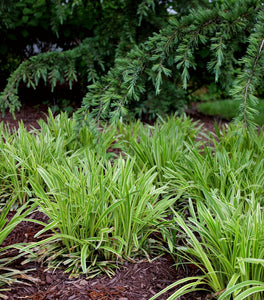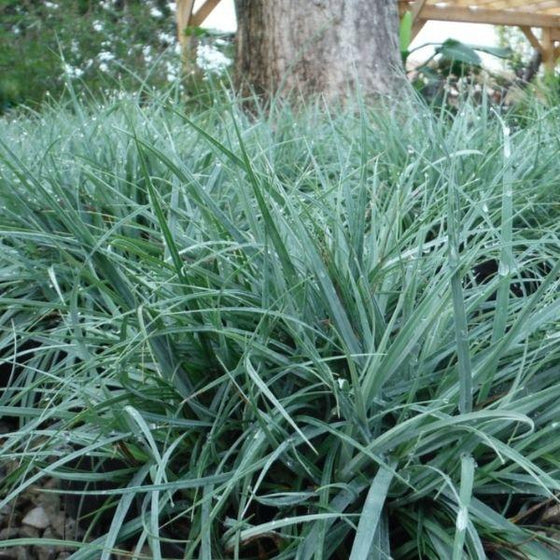
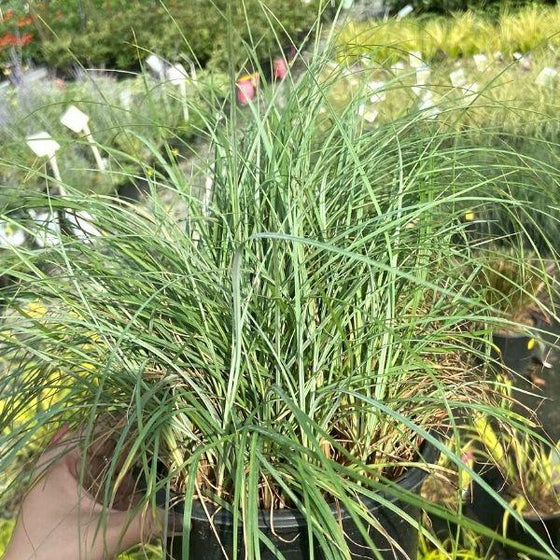


Images Depict Mature Plants
Carex flacca ‘Blue Zinger’
Carex flacca 'Blue Zinger'
Carex Blue Zinger is one of those plants that makes a landscape look professionally finished—steel-blue foliage, tidy clumps, and true versatility in sun or part shade. I love it for borders, slopes, and rain-garden edges because it’s deer-resistant, low-maintenance, and it adds year-round texture that most perennials can’t match. If you want a reliable, easy-to-grow groundcover that enhances everything planted around it, this is a smart choice.

20% Off Sitewide Sale!
Use Code 'ENDOFSEASON20' At Checkout
📦 Free shipping on orders over $99.
Delay shipping by leaving us a message at Checkout.
Share:Recommended Add-Ons



Steel-Blue Texture That “Finishes” Borders, Beds & Slopes
Buy a Steel-Blue Sedge That Looks Good in Every Season
Carex Blue Zinger is a go-to choice when you want clean, modern blue-gray foliage that makes plantings look intentional—without adding more maintenance to your weekly routine. Its narrow, arching blades create soft movement and a fine texture that reads beautifully in mass plantings, edging, and mixed borders. It’s also widely treated as semi-evergreen to evergreen, depending on climate, which means you keep more winter structure than most perennials.
If you’re looking to buy Carex Blue Zinger online, you’re typically buying it for one reason: dependable color. That steel-blue tone plays perfectly against dark evergreens, stone, mulch, and bold-leaf perennials—giving you the “designer contrast” people usually only get from higher-maintenance plants.
A Clump-Forming Groundcover That Fills In Without Taking Over
Blue Zinger forms dense clumps and can creep slowly over time, creating an elegant groundcover effect—especially when planted in sweeps. Garden Goods Direct lists a mature size of 12–18 inches tall and 18–24 inches wide, which is ideal for edging, adding front-of-border texture, and creating a low-profile mass.
Unlike aggressive spreaders, this one is about steady, controlled fill—ideal for customers who want coverage without constant pulling. It’s also a great “repeat plant” for installers because it stays tidy and looks finished fast when spaced correctly.
Sun/Part Shade Flexibility + Moisture That’s Easy to Manage
Carex Blue Zinger is versatile, growing in full sun to partial shade, and it thrives in average to moist, well-drained soil—making it an excellent choice for rain garden edges, low spots that drain well, and regularly irrigated borders.
Once established, many growers note it becomes more drought-tolerant, but it still looks best when it isn’t allowed to bake bone-dry for long stretches. Think “consistent moisture during establishment, then occasional deep watering in dry spells”—simple, realistic care that fits low-maintenance landscapes.
The Easy ‘Finisher’ for Borders, Rain Gardens, Rock & Stone Pairings
This sedge shines as a groundcover, edging plant, and mass planting—especially anywhere you want a soft, steel-blue ribbon of texture to unify a bed. It’s also a smart functional plant for erosion control on slopes, and it looks incredible alongside gravel, boulders, and smooth stone, where the blue foliage feels extra crisp.
Use it to “cool down” hot-colored plantings (reds/oranges), to brighten shady borders with blue-gray contrast, or to create clean lines in modern landscapes. It also performs well in containers when you want a spill-and-soften effect without floppy mess.
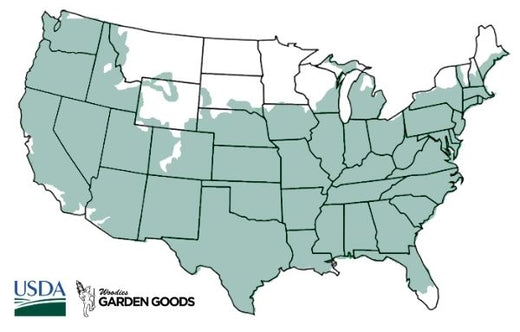
| Hardiness Zone: | 5-9 |
|---|---|
| Mature Height: | 12 to 18 Inches |
| Mature Width: | 18 to 24 Inches |
| Sunlight: | Full sun to partial shade |
| Bloom Time / Color | Summer; flowers inconspicuous |
| Soil Condition: | Average to moist; adaptable; best with drainage |
| Water Requirements: | Water well until established; drought tolerant once established |
| Resistance | Deer resistant; semi-evergreen in many climates |
| Wildlife Value | Habitat value; great in eco-friendly plantings |
| Landscape Uses: | Borders, massing, rain gardens, slopes/erosion control, containers |
How to Care for Carex flacca ‘Blue Zinger’
Be sure to read our planting instructions to ensure a healthy and happy Carex Blue Zinger Plants for years to come!

How should I plant Carex Blue Zinger?
Start with a site that receives full sun to partial shade and has soil that drains well (it tolerates moisture, but it shouldn’t sit in stagnant water for extended periods). Dig a hole twice as wide as the root ball and about the same depth, then set the plant so the top of the root ball is level with the surrounding soil. Backfill, firm gently, and water thoroughly to settle roots and remove air pockets. For best results, apply mulch lightly (keeping it off the crown) and plant in the spring or early fall, allowing the plant to establish before extreme heat or hard freezes. If you’re planting for groundcover, plan the layout first—Blue Zinger looks best when repeated in a drift or ribbon rather than dotted randomly.

How often should I water Carex Blue Zinger after planting?
During the first growing season, keep soil evenly moist—deep watering once or twice per week is a good baseline, adjusted for heat and rainfall. This establishment window is when Blue Zinger builds the roots that make it so dependable later. Once established, it becomes more forgiving and is often described as drought-tolerant, but it still looks best with occasional deep watering during extended dry spells. If foliage starts to look less vibrant or growth slows during heat, a soak restores that crisp steel-blue appearance quickly.

When should I fertilize Carex Blue Zinger?
Feed in early spring as new growth begins, using a balanced, slow-release fertilizer to support fresh, dense foliage. Keep it light—this is a low-maintenance sedge, and heavy feeding isn’t necessary for good performance. For a more natural approach, top-dress with compost and refresh mulch annually. In most landscapes, compost combined with consistent moisture during establishment produces the best long-term results, without promoting lush growth that can compromise the plant’s naturally tidy form.

When and how should I prune Carex Blue Zinger?
Prune (or “groom”) in late winter to early spring before new growth starts. Use clean shears to cut back tired or winter-browned blades to about 2–3 inches; this resets the clump, encouraging a fresh, uniform flush and keeping the clump looking sharp. During the season, you can simply snip any browned tips for a quick refresh—no complicated pruning schedule required. If clumps become crowded after a few years, division helps re-energize growth and provides you with more plants for repeat planting.