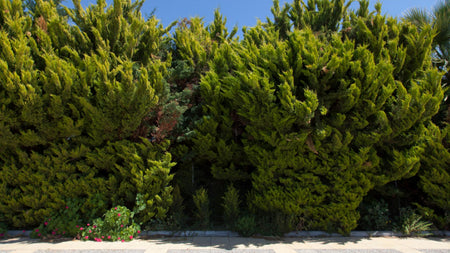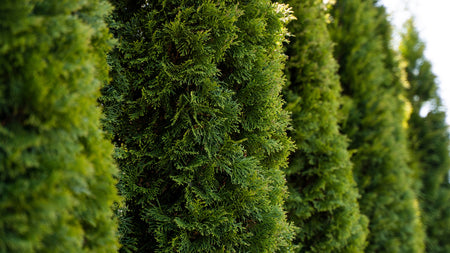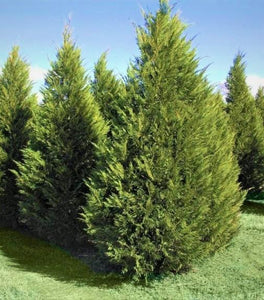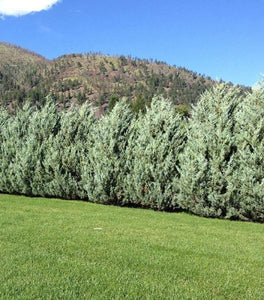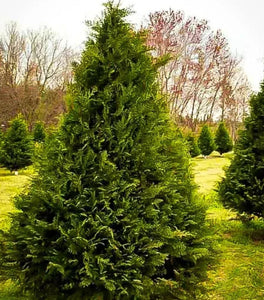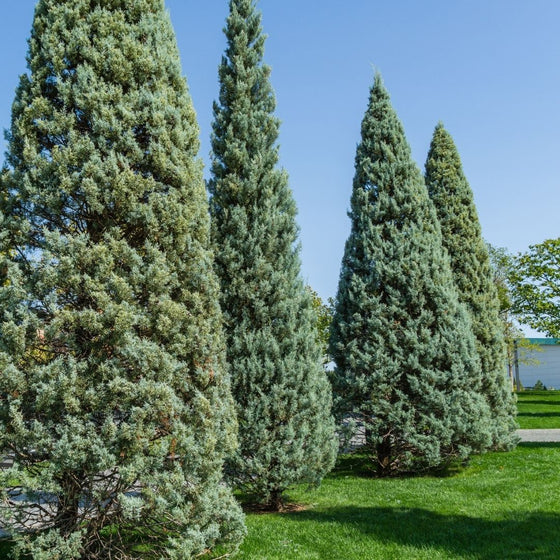



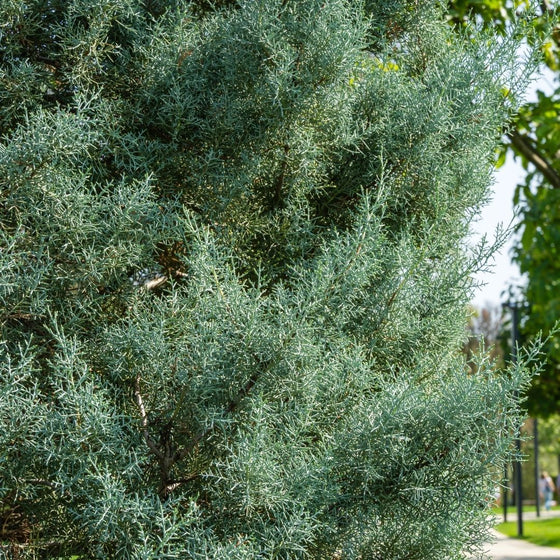


Images Depict Mature Plants
Carolina Sapphire Cypress
Cupressus arizonica var. glabra ‘Carolina Sapphire’
If you’re looking for a fast-growing evergreen privacy tree with real personality, Carolina Sapphire Cypress is one of my top picks—those silvery-blue sprays are gorgeous all year, the fragrance is that clean “fresh-cut greens” scent, and it grows into a tall screen that makes a yard feel instantly more private and protected. Give it full sun, keep it watered while it’s getting established, and you’ll be amazed how quickly it turns into a living windbreak that looks refined, not bulky.

15% OFF SITEWIDE, USE CODE 'FALLPLANT15'
📦 Free shipping on orders over $99.
Delay shipping by leaving us a message at Checkout.
Share:


Carolina Sapphire Cypress – Fast-Growing Blue Evergreen for Privacy and Windbreaks
Fast Privacy And Wind Protection For Big Results
Carolina Sapphire Cypress is the “get it done” evergreen when you need privacy and wind protection without waiting a decade. It’s known for rapid growth in the right conditions—ideal for large properties, farms, and suburban backyards where quick coverage matters. Planted in rows, it creates a tall, feathery screen that helps buffer road noise, block harsh winds, and give your outdoor space a tucked-in feeling.
This tree also earns its keep as a statement evergreen. The silhouette is naturally pyramidal and airy rather than heavy, so it looks refined even as it grows fast. If you want a living backdrop for flowering shrubs, a soft evergreen wall behind a patio, or a windbreak along the edge of a property, Carolina Sapphire delivers strong function with standout color.
Silvery-Blue Foliage With A Fresh, Fragrant “Cut-Greens” Scent
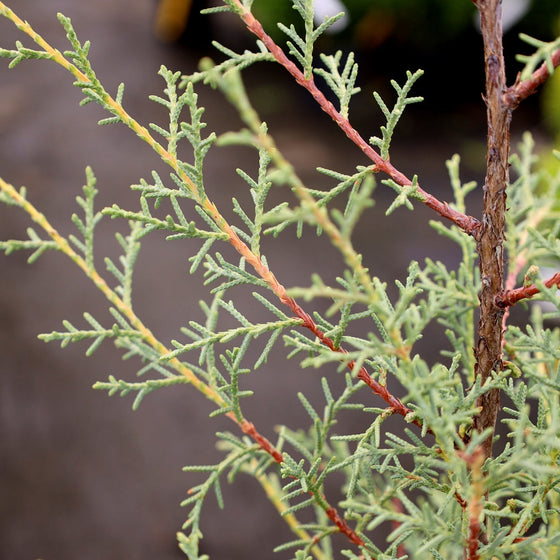
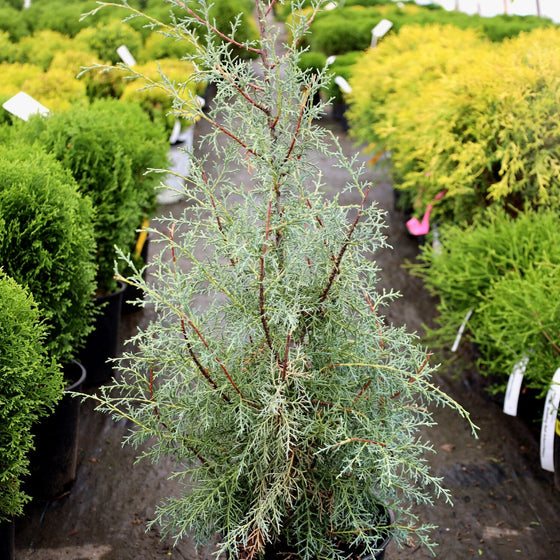
The foliage is the main event: soft, silvery-blue sprays that hold their color year-round and bring a cool tone to the landscape. That blue-green sheen is especially striking against brick, stone, and darker evergreens, and it’s gorgeous in winter when everything else goes flat. Brush past it, and you’ll notice the clean, fresh fragrance—one reason it’s loved for seasonal cut-greens.
Because the texture is fine and lacy, Carolina Sapphire adds movement and lightness instead of a solid “green wall.” It’s a great way to keep a property feeling open while still gaining privacy. In the landscape, it pairs beautifully with hydrangeas, roses, and ornamental grasses—anything that benefits from an evergreen backdrop that doesn’t visually weigh the garden down.
Heat And Drought Tolerance That Fits Tough, Sunny Sites
Carolina Sapphire thrives in full sun and handles heat exceptionally well, making it a strong choice for exposed areas. Once established, it becomes notably drought-tolerant and is often used where irrigation isn’t perfect or where summers run hot and dry. It also tolerates a wide range of soils as long as drainage is good—this is not a “wet feet” evergreen.
If you’ve struggled to keep fast-growing screens happy in lean, dry ground, this one is worth a serious look. The key is establishing a strong root system early: consistent watering in the first season, then shifting to deeper, less frequent soakings. With good drainage and sun, Carolina Sapphire grows with confidence and keeps its color without constant pampering.
A Screen Tree That Stays Shapely With Simple, Smart Pruning
Carolina Sapphire is naturally attractive without heavy pruning, but it responds well to light shaping if you start early. If you’re building a screen and want it narrower, gentle tip-pruning on young trees encourages thicker branching and a denser look. The goal is to guide the shape—not to shear it into a hard hedge—so it keeps that soft, feathery texture.
For most landscapes, minimal pruning is best: remove broken branches anytime, and do any shaping in late winter to early spring before the strongest flush of growth. Give it room to mature, and it becomes a long-lived evergreen presence that looks intentional, not overmanaged—exactly what you want in a privacy tree that’s meant to feel natural and beautiful.
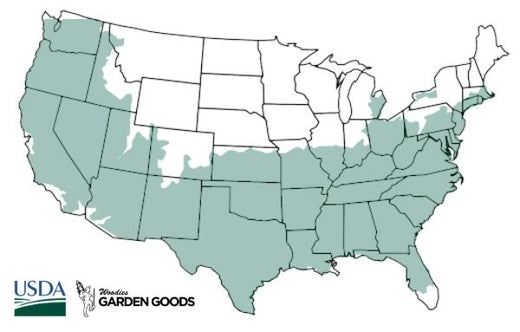
| Hardiness Zone: | 6-9 |
|---|---|
| Mature Height: | 30 to 40 Feet |
| Mature Width: | 15 to 20 Feet |
| Sunlight: | Full Sun |
| Foliage Color: | Blue-Gray |
| Soil Condition: | Well-drained; adaptable (avoid constantly wet soils) |
| Water | Regular watering until established; drought tolerant once established |
| Wildlife Value | Provides evergreen cover and nesting habitat for birds |
| Resistance | Drought tolerant once established; generally moderately deer resistant |
| Landscape Uses | Privacy screen, windbreak, specimen evergreen, property borders, seasonal cut-greens |
How to Care for Carolina Sapphire Cypress
After purchasing your Carolina Sapphire Cypress, be sure to read the recommended care instructions to ensure your plant stays happy and healthy for years to come.

How should I plant Carolina Sapphire Cypress?
Plant Carolina Sapphire Cypress in full sun in a well-drained spot where water won’t sit around the root zone. Dig a hole 2–3 times as wide as the root ball and set the tree so the top of the root ball sits level with (or slightly above) the surrounding soil. Backfill with native soil, firm gently to remove air pockets, and water deeply to settle everything in place. Add a 2–3-inch layer of mulch in a wide ring to conserve moisture, but keep it several inches away from the trunk. If you’re planting a screen, lay out your spacing first so you don’t end up crowded later. A straight line with consistent spacing looks better, grows more evenly, and makes watering easier in the first year.

How often should I water Carolina Sapphire Cypress after planting?
For the first 2–4 weeks, water 2–3 times per week (more often in heat or sandy soils) so the root zone stays evenly moist but never soggy. After that, shift to a deep soak about once per week, adjusting for rainfall and temperature. The goal is deep rooting—slow, thorough watering is better than frequent light splashes. After the first growing season, Carolina Sapphire becomes more drought tolerant, but it will still grow faster and look better with occasional deep watering during prolonged dry spells. If needles look dull, the tips brown, or the soil is dust-dry several inches down, it’s time for a good soak.

When should I fertilize Carolina Sapphire Cypress?
Fertilize in early spring as growth begins using a slow-release, balanced fertilizer formulated for trees and shrubs (or evergreens). This supports steady growth without pushing weak, overly soft growth. If your soil is already fertile, a light feeding is plenty—this tree is not a heavy feeder. Avoid late-summer fertilizing, which can encourage tender growth going into cold weather. If you prefer a gentler approach, top-dress with compost in spring and keep a consistent mulch ring; healthy roots and good drainage do more for long-term performance than aggressive fertilizing.

When and how should I prune Carolina Sapphire Cypress?
Prune lightly in late winter to early spring if you need shaping, and focus on guiding the natural form rather than shearing hard. For a denser screen, light tip-pruning on young trees encourages branching and fullness. Keep cuts modest—remove only a small amount of the outer growth so the tree stays soft and feathery. Anytime of year, you can remove dead, broken, or crossing branches. If you want to keep a screen narrower, start while trees are young and maintain with small, regular touch-ups. Waiting until trees are mature and then trying to reduce width dramatically is harder on the plant and often results in a less natural look.