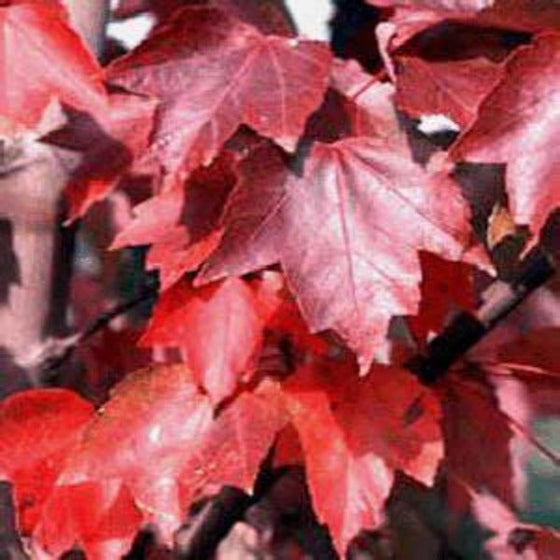


Images Depict Mature Plants
Brandywine Red Maple
Acer rubrum 'Brandywine'
Brandywine is one of my favorite “upgrade” red maples because it gives you fast shade and that deep purple-red fall color, but it stays cleaner than many maples thanks to its seedless, male performance, no messy seeds to deal with. Give it sun, give it space, keep it evenly watered while it’s settling in, and do a little structural pruning early so it grows up strong and handsome.

Take 20% OFF SITEWIDE.
Use Coupon Code: EARLYBIRD20
📦 Free shipping on orders over $99.
Delay shipping by leaving us a message at Checkout.
Share:


Seedless, Fast Shade With Deep Purple-Red Fall Color
Fast Shade With A Cleaner, Seedless Maple Upgrade
Brandywine Red Maple gives you what people love about red maples, quick canopy and strong seasonal color, without the extra mess that comes with “helicopter seed” drop. This is a male, seedless selection, so you get a cleaner lawn, a tidier patio zone, and fewer springtime clean-up frustrations. For homeowners who want a classic maple look but prefer a lower-maintenance landscape, that single trait is a big deal.
It also builds shade quickly. Brandywine forms a handsome oval crown that feels substantial in a relatively short time, making it a smart pick for new builds, open lawns, and properties where you want the “established tree” effect sooner. Plant it where the canopy can spread naturally, and you’ll get a strong silhouette that frames the yard, cools outdoor spaces, and makes everything around it look more finished.
Purple-Red Fall Color That Holds Longer Into The Season
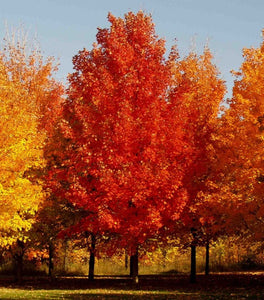
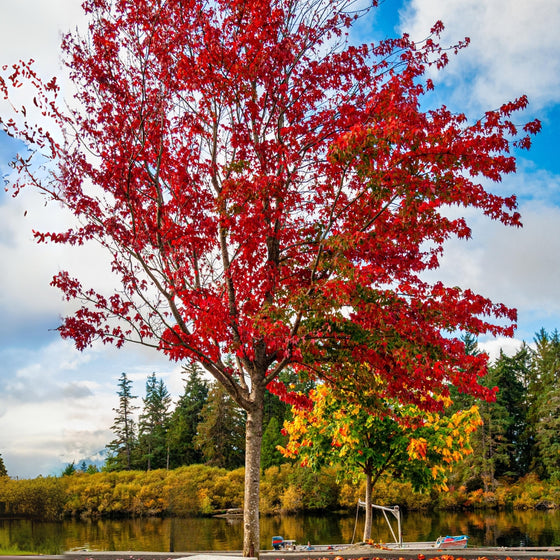
If fall color is your main reason for shopping, Brandywine earns its keep. The foliage shifts from summer green to rich red tones that deepen into a wine-like, purple-red finish. That darker, more saturated color reads dramatic and upscale, especially when you plant it where afternoon light hits the canopy. Many gardeners also love that the color show tends to arrive mid-to-late fall, extending the season when other trees have already faded.
Better color starts with better placement. Full sun typically delivers the strongest fall display, while consistent summer moisture helps the tree avoid stress that can dull color or trigger early leaf drop. Give Brandywine room to grow, keep the root zone mulched, and you’ll get a canopy that turns heads every autumn, without having to “baby” it for the show.
Adaptable To Real-World Landscapes, Including Clay And Moist Areas
Brandywine Red Maple is a practical, adaptable shade tree for everyday yards. It prefers moist, well-drained soil and mildly acidic conditions, but it can handle heavier soils and even tolerates more moisture than many popular shade trees. That makes it a strong option for sites that stay consistently damp, rain-garden edges, or areas that aren’t perfectly “loamy” from day one.
The key is giving it a healthy start. Plant at the correct depth (root flare at grade), build a wide mulch ring, and keep turf from competing with the roots. Water deeply and steadily in the first growing season, especially during hot, dry periods. Once established, the tree is more forgiving, but it still performs best with occasional deep watering during extended drought—particularly if you want maximum growth and the best fall color.
A Stronger Tree Starts With Smart Spacing And Light Structural Pruning
Fast growth is great, but strong structure is what makes a shade tree truly valuable. Brandywine benefits from proper spacing and light structural pruning while young, so the canopy matures with well-spaced branches and fewer future problems. Think of it as guiding the tree, not “controlling” it: remove dead or crossing branches, encourage a central leader, and keep branch attachments well distributed.
Spacing matters just as much as pruning. If you crowd maples, you invite weaker branching, reduced airflow, and more maintenance later. Give Brandywine the room it needs to develop its natural oval crown, and you’ll get a healthier canopy, better shade, and a cleaner look from the street. A little planning now is what turns a fast-growing tree into a long-lived, low-drama landscape anchor.
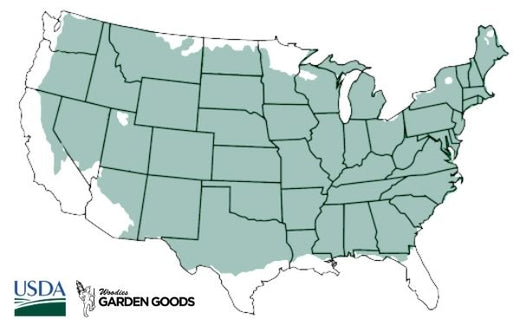
| Hardiness Zone: | 4-8 |
|---|---|
| Mature Height: | 35 to 50 Feet |
| Mature Width: | 25 to 40 Feet |
| Sunlight: | Full sun to part shade (best color in full sun) |
| Bloom Time / Color | Early spring (often March–April); red flowers |
| Soil Condition: | Moist, well-drained; prefers mildly acidic soil; tolerates clay and moist sites |
| Water Requirements: | Medium; consistent moisture while establishing, then deep watering during drought |
| Wildlife Value | Early-season flowers support beneficial insects; canopy cover supports birds |
| Resistance (deer/disease/drought/etc.) | Seedless male (no samaras); tolerates wet soil and urban conditions; deer may browse young trees |
| Landscape Uses | Specimen/lawn tree, street tree, shade tree, fall color tree, rain-garden edges |
How to Care for Brandywine Red Maple
Before you buy a Brandywine Red Maple, make sure to read about the recommended care instructions to keep this plant healthy and thriving.

How should I plant Brandywine Red Maple Tree?
Plant Brandywine Red Maple Tree in full sun to part shade where it has room to reach its mature spread. Dig a hole 2–3 times wider than the root ball and only as deep as the root ball so the root flare sits level with (or slightly above) the surrounding soil. Backfill with native soil, water slowly to settle, and create a wide mulch ring to protect the root zone. Keep grass and weeds out of the mulch ring so the tree doesn’t compete for water while it establishes. If the site is windy, stake only as needed and remove supports once the tree is stable. Correct depth, a broad mulch zone, and consistent first-season watering are the biggest success factors.

How often should I water Brandywine Red Maple Tree after planting?
Water deeply right after planting, then keep the root zone evenly moist during the first growing season. In most yards, that means deep watering 1–2 times per week when rainfall is light, increasing during hot or windy spells so moisture reaches the full root zone. After establishment, Brandywine is more drought-tolerant, but it still performs best with occasional deep watering during extended dry periods—especially if you want strong growth and top-tier fall color. A wide mulch ring helps maintain consistent moisture and reduces heat stress on the roots.

When should I fertilize Brandywine Red Maple Tree?
Fertilize in early spring if growth is weak or a soil test indicates a nutrient deficiency. Use a slow-release, balanced fertilizer applied over the root zone (not against the trunk) to support steady, durable growth rather than overly soft, fast growth. In many landscapes, improving soil health matters more than frequent fertilizing. Compost top-dressing and maintaining a wide mulch ring can gradually improve soil structure and moisture retention, helping maples perform better over time.

When and how should I prune Brandywine Red Maple Tree?
Prune primarily to build good structure: remove dead, damaged, or rubbing branches and encourage well-spaced scaffold branches as the tree matures. Keep cuts clean at the branch collar and avoid heavy thinning, which can stress the tree and reduce the balanced canopy shape you want. Light, periodic structural pruning when the tree is young is easier than major corrective cuts later. Focus on spacing branches and preventing crowded attachments, and you’ll end up with a stronger canopy that’s safer and more attractive long-term.