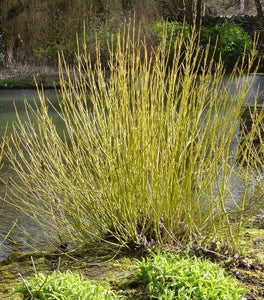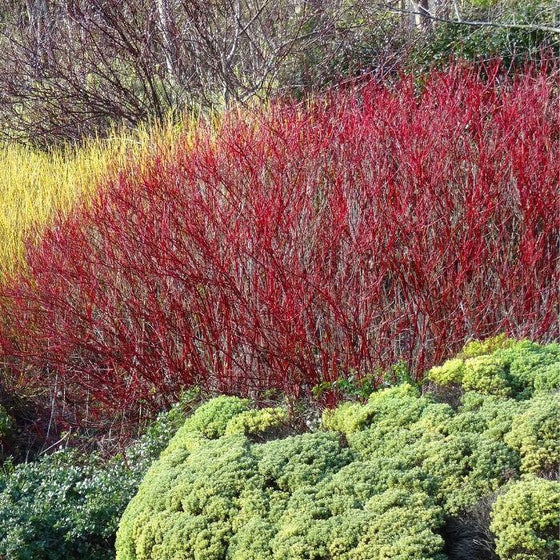
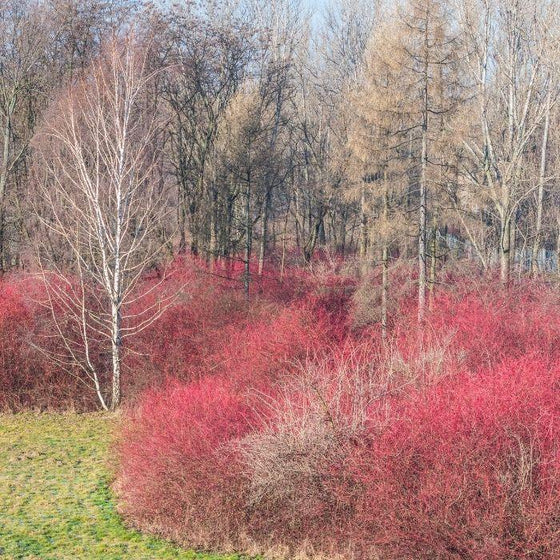
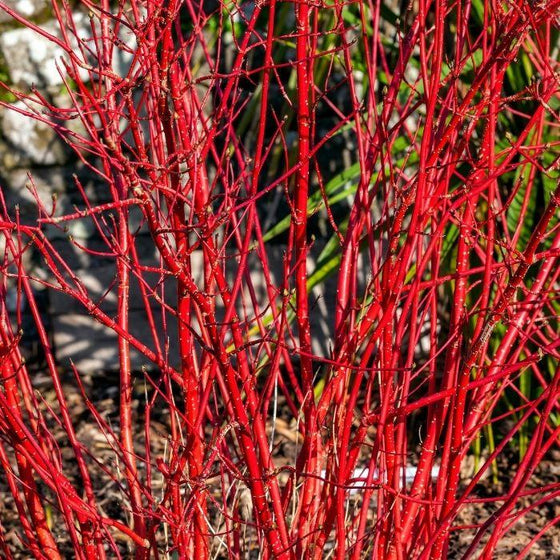
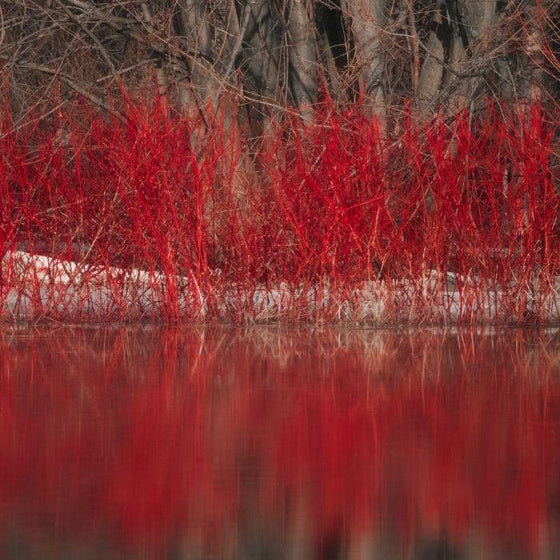


Images Depict Mature Plants
Red Twig Dogwood
Cornus sericea 'Bailyi'
Red Twig Dogwood is one of my favorite “winter upgrades” because it delivers true payoff, bright red stems that glow when the garden is asleep, plus spring flowers, fall color, and berries that bring birds in. Plant it where you’ll see it every day, keep it watered while it establishes, and do that simple renewal prune so the youngest stems keep stealing the show.

15% OFF SITEWIDE SALE
Use Code 'PRIMETIME15' At Checkout
📦 Free shipping on orders over $99.
Delay shipping by leaving us a message at Checkout.
Share:



Red Twig Dogwood For Bold Winter Color And Four-Season Landscape Value
Bright red winter stems that steal the show
Red Twig Dogwood is the shrub you plant for the months when most landscapes go quiet. After leaf drop, its vivid red stems light up against snow, stone, and evergreen backdrops, turning a plain winter bed into a true focal point. The color reads from the street and looks even better when planted in groups, where the stems create a bold “winter brushstroke” effect.
This is a favorite for high-visibility placement: near an entry, along a driveway, or in front of dark evergreens for maximum contrast. Use it as a single accent to punctuate a mixed border, or mass it for a dramatic winter display that feels intentional and designed. If your landscape needs winter interest, you can actually see, this one delivers.
Spring flowers, fall color, and berries that bring wildlife in
Red Twig Dogwood earns year-round value. In mid to late spring, it produces fragrant white flower clusters that add a soft, natural look to borders and native beds. As the season progresses, the shrub develops berries that attract birds, and its dense branching provides cover that makes a yard feel more alive and habitat-friendly.
In fall, foliage shifts toward purplish red tones before dropping to reveal the winter stems again. That seasonal loop, flowers, berries, fall color, then red stems, makes this shrub a reliable “four-season anchor” in mixed plantings. It’s a practical landscape choice that still feels special as the calendar turns.
A workhorse shrub for wet soils, rain gardens, and erosion control
This dogwood thrives in full sun to part shade and adapts to a wide range of soils, including sites that stay more consistently moist. It’s a natural fit for rain gardens, stream-bank style plantings, and low areas that don’t drain perfectly, places where many shrubs struggle. It’s also widely used for erosion-prone areas because it tolerates fluctuating moisture and develops a strong, stabilizing presence over time.
For the best stem color and denser growth, lean toward sunnier sites. In hotter climates, a bit of afternoon shade can reduce stress while still delivering excellent performance. Give it steady water in year one, then let it settle into a durable, low-fuss rhythm that handles real-world conditions gracefully.
Pruning that keeps the stems red and the plant looking fresh
The brightest red stems come from younger growth, so pruning is the secret to peak winter color. The easiest method is simple renewal pruning: each late winter, remove about one-third of the oldest, darkest stems at ground level. This keeps the plant full while continually refreshing vibrant new stems that will be the stars next winter.
If the shrub becomes overgrown or you want maximum stem intensity, coppicing is an option, cutting the plant down to a low framework in late winter to push a flush of fresh stems. Either approach keeps Red Twig Dogwood vigorous, manageable, and showy. A little annual pruning turns this into a shrub that looks better with time, not messier.
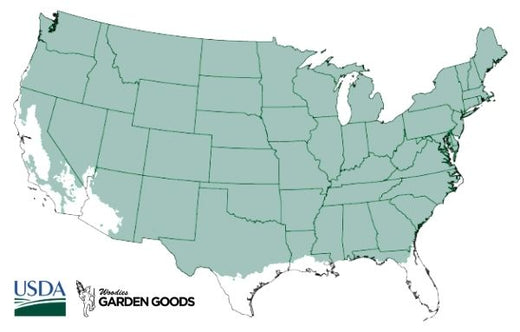
| Hardiness Zone: | 3-8 |
|---|---|
| Mature Height: | 6 to 8 Feet |
| Mature Width: | 6 to 8 Feet |
| Sunlight: | Full sun to part shade |
| Bloom Time / Color: | Mid to late spring through early summer; fragrant white flowers |
| Soil Condition: | Any well-drained soil; tolerates “wet feet” |
| Water Requirements: | Water well until established; moisture-loving but adaptable |
| Wildlife Value: | Berries attract birds; shelter habitat from dense branching |
| Resistance (deer/disease/drought/etc.): | Tolerates wet sites; drought tolerance improves once established; deer browsing can occur |
| Landscape Uses: | Winter interest, mass planting, mixed borders, rain gardens, erosion control, privacy/backdrop planting, cut stems |
How to Care for Red Twig Dogwood
Be sure to read our planting instructions to ensure a healthy and happy Red Twig Dogwood for years to come!

How should I plant Red Twig Dogwood?
Plant Red Twig Dogwood in full sun to partial shade, choosing a site where you’ll enjoy the winter stems. Dig a hole twice as wide and as deep as the root ball, set the shrub so the top of the root ball is level with the surrounding soil, then backfill and water thoroughly to settle the roots. Add mulch over the root zone to retain moisture, keeping mulch a few inches away from the stems. If you’re planting multiple shrubs for a hedge or mass planting, space them so they have room to reach their mature spread and maintain airflow. This shrub is especially well-suited to moist areas and rain-garden edges, so don’t be afraid to use it where other shrubs complain—just avoid long-term standing water.

How often should I water Red Twig Dogwood after planting?
Water deeply right after planting, then keep the root zone evenly moist during the first growing season. Deep watering once or twice per week is a good baseline, increasing during hot, dry stretches or in fast-draining soil. Water at the base to keep foliage drier and support healthier growth. Once established, Red Twig Dogwood becomes more tolerant of dry periods, but it still looks best with occasional deep watering during extended drought. Consistent moisture supports fuller growth and better stem color, especially heading into late summer and fall when the plant is setting up for winter performance.

When should I fertilize Red Twig Dogwood?
Fertilize in early spring as new growth begins using a balanced, slow-release fertilizer, or top-dress with compost. Moderate fertility helps support strong stems and healthy foliage without pushing overly lush growth that can become weak or unruly. Avoid heavy late-season fertilizing. If the plant is growing well and leaf color is healthy, compost and good watering habits are often all that’s needed to keep it vigorous and attractive year after year.

When and how should I prune Red Twig Dogwood?
Prune in late winter or early spring before new growth begins. For the best red stem color, remove about one-third of the oldest, darkest stems at ground level each year to encourage fresh, brightly colored new shoots. If the shrub is overgrown or you want maximum stem intensity, coppice it by cutting stems down to a low framework in late winter. This produces a strong flush of new stems for next winter, though it can reduce flowers and berries for the season.