


Images Depict Mature Plants
Apricot Drift® Rose
Rosa 'Meimirrote' PP23354, CPBR#5389
Apricot Drift® is the rose I recommend when someone wants that warm, peachy glow in the landscape—but they want it low, tidy, and easy. It’s made for borders and mass plantings, it stays a friendly size, and it keeps blooming for months with simple sun-and-water basics. Give it full sun, water at the base, and do one good prune before spring growth takes off, and you’ll get a thick little drift of color that looks professionally planted without the fuss.

20% Off Sitewide Sale!
Use Code 'ENDOFSEASON20' At Checkout
📦 Free shipping on orders over $99.
Delay shipping by leaving us a message at Checkout.
Share:



Apricot Drift® Rose for Low-Growing Color, Easy Borders, and Flowering Groundcover
Apricot Blooms That Brighten Beds Without Taking Over
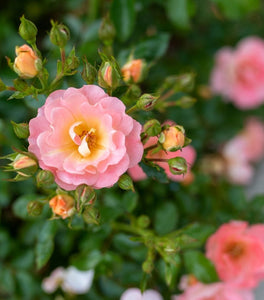
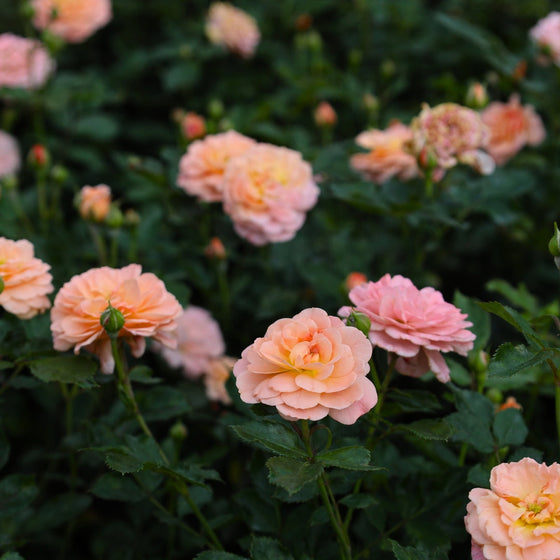
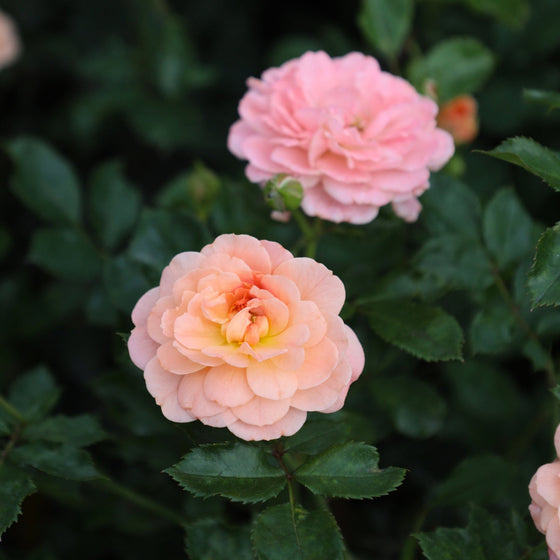
Apricot Drift® Rose delivers that warm, peachy-apricot color that instantly softens a landscape and makes nearby greens look richer. The blooms appear in clusters, so even a small planting reads as a “blanket of color” instead of a few scattered flowers. It’s a perfect choice when you want roses to feel welcoming and cheerful—especially along walkways, near patios, or at the front of a border where the color can be enjoyed up close.
Because the plant stays compact and low, you get the romance of roses without the bulky shrub footprint. Apricot Drift® works beautifully as a front-of-bed “finishing plant,” tucking in neatly beneath taller shrubs and perennials. It’s also a smart way to add long-season color to tight spaces where a traditional rose would be too tall or too wide.
Groundcover Habit That’s Made For Borders, Edges, And Hillsides
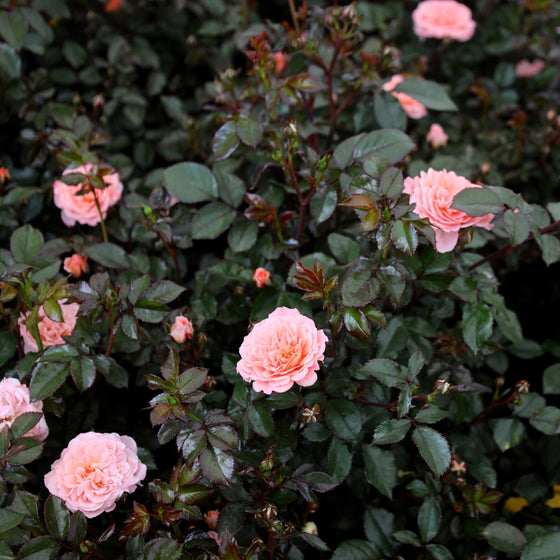
This is a true groundcover-style rose with a mounding, spreading habit—ideal for edging a bed, lining a path, or covering open areas with living color. Apricot Drift® typically grows about 1.5–2 feet tall and spreads roughly 2–3 feet wide, so it fills space quickly while still looking tidy. The result is a low, flowering “drift” of color that looks intentional and professionally planted.
It shines in mass plantings where you want consistent bloom and a clean outline. Use it in groups for a stronger visual effect, or plant a row to create a soft, flowering border that doesn’t block sightlines. On a gentle slope, that spreading habit helps visually unify the hillside and keeps the planting looking full through the growing season.
Low-Maintenance Performance With Clean, Glossy Foliage
Apricot Drift® is loved for being tough. It’s known for strong disease resistance compared with many older rose types, and the foliage stays glossy and attractive when you give it the basics: full sun, well-drained soil, and watering at the base (not overhead). That simple setup supports cleaner leaves and helps the plant keep its energy focused on growth and blooms instead of stress.
Deadheading isn’t required for repeat bloom, which makes this a great rose for busy homeowners. If you enjoy tidying, a quick snip of spent clusters keeps the planting extra polished, but it will still keep flowering without constant attention. Add a 2–3 inch mulch layer (kept off the stems), and you’ll reduce weeds, stabilize moisture, and keep the whole bed looking finished.
Simple Pruning Keeps It Dense, Rounded, And Bloom-Packed
Drift® roses respond beautifully to a simple yearly prune. Prune in late winter to early spring to refresh the plant, encourage vigorous new growth, and maintain that neat, mounded shape. You don’t need complicated rose techniques—just remove any dead wood, thin lightly if needed, and shape the plant so it’s balanced and airy.
After pruning, a spring feeding and steady moisture during establishment will set you up for heavy bloom cycles. Because Apricot Drift® stays low, it’s easy to maintain—no ladders, no wrestling with tall canes, and no fussy training. With sun, spacing, and a once-a-year haircut, you get a reliable groundcover rose that keeps color coming from spring into fall.
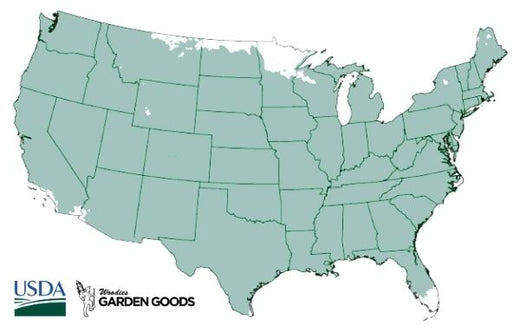
| Hardiness Zone: | 4-9 |
|---|---|
| Mature Height: | 1.5 to 2 Feet |
| Mature width: | 2 to 3 Feet |
| Sunlight: | Full sun for best blooms |
| Bloom Time / Color: | Spring through fall; apricot/peach tones |
| Soil Condition: | Any well drained soil |
| Water Requirements: | Water well until established; then water during dry spells |
| Wildlife Value: | Blooms attract pollinators |
| Resistance: | Strong disease resistance; moderate drought tolerance once established; not reliably deer resistant |
| Landscape Uses: | Borders, mass planting, groundcover, hillsides/slopes, paths and walkways, containers |
How to Care for Apricot Drift® Rose
Be sure to read our planting instructions to ensure a healthy and happy Apricot Drift® Rose plant for years to come!

How should I plant Apricot Drift® Rose?
Plant Apricot Drift® Rose in full sun in well-drained soil. Dig a hole about twice as wide as the root ball and set the plant so the top of the root ball sits level with the surrounding soil. Backfill with native soil, water deeply to settle, and create a shallow watering ring to guide water into the root zone. Finish with a 2–3-inch layer of mulch to hold moisture and reduce weeds, keeping it a few inches away from the stems. If your soil drains slowly, plant slightly high or improve drainage before planting. A sunny, well-drained start is the fastest path to quicker fill-in and heavier bloom cycles.

How often should I water Apricot Drift® Rose after planting?
Water deeply right after planting, then keep the root zone evenly moist (not soggy) for the first few weeks. A good baseline is one deep soak per week, increasing to two soaks per week during hot weather, sandy soil conditions, or windy sites where soil dries faster. After it’s established, water during extended dry spells to keep blooms and foliage looking their best. Water at the base rather than overhead so leaves dry quickly. Deep, less frequent watering encourages stronger roots and greater resilience on slopes and sunny borders.

When should I fertilize Apricot Drift® Rose?
Fertilize in early spring as new growth begins, using a rose fertilizer or balanced slow-release fertilizer. Apply it over the root zone (not against the stems) and water afterward so nutrients move into the soil where feeder roots can absorb them. For best flowering, a second light feeding after the first big flush can help support repeat bloom. Avoid heavy late-season fertilizing, which can push tender growth when the plant should be slowing down. A steady spring-and-summer routine supports healthier foliage and more consistent bloom.

When and how should I prune Apricot Drift® Rose?
Prune Apricot Drift® Rose in late winter or early spring before active growth begins. Remove any dead or damaged stems first, then shape the plant back to a neat, rounded mound to encourage fresh bloom-producing growth. During the season, light trimming is optional if you want to keep edges crisp, but the main “must-do” is that yearly early-season prune. Deadheading isn’t required, though occasional cleanup can keep the planting looking extra polished. A simple prune rhythm is usually all it takes to keep this groundcover rose dense and flower-filled.