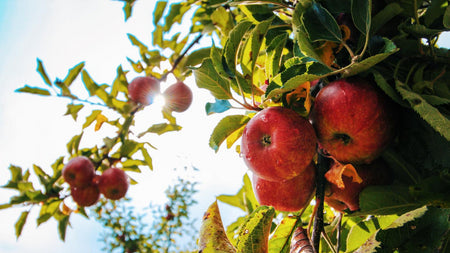
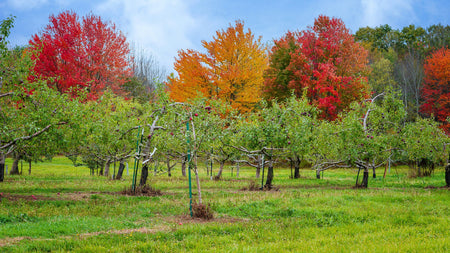
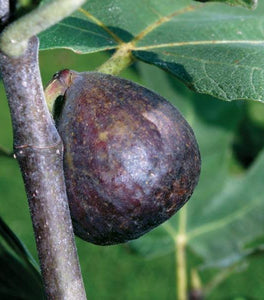
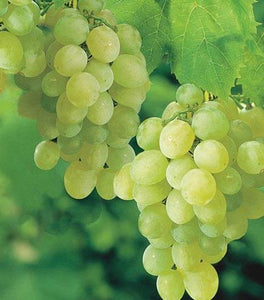
Images Depict Mature Plants
Concord Grape Vine
Vitis labrusca ‘Concord’
Concord is the grape I think every “backyard orchard” should have: classic flavor, cold-hardy reliability, and that satisfying moment in early fall when you’re cutting heavy clusters you grew yourself. Give it a sunny spot, a real trellis, and a yearly late-winter prune, and it’ll reward you with fruit, shade, and that feeling that your garden is feeding your home.

15% OFF SITEWIDE, USE CODE 'FALLPLANT15'
📦 Free shipping on orders over $99.
Delay shipping by leaving us a message at Checkout.
Share:

Cold-Hardy Concord Grape Vine For Sweet Backyard Harvests And Trellis Beauty
Classic Concord grapes for juice, jelly, and big backyard flavor
Concord is the grape that built a whole tradition, sweet, blue-black clusters with that unmistakable rich “grape” flavor that shines in juice, jelly, and homemade treats. It’s also a satisfying fresh-eating grape for gardeners who want true backyard harvests without needing a vineyard. Flowers appear in spring, then the fruit develops through summer and typically ripens in early fall, giving you an exciting seasonal payoff that feels earned (and tastes even better because you grew it).
This vine doesn’t just produce fruit; it creates a moment. Train it along a trellis, fence, arbor, or pergola for edible landscaping that looks lush and intentional. A mature vine can shade a sitting area, soften a fence line, and turn a plain structure into a living canopy. If you want a vine that works hard and looks good doing it, Concord is a dependable classic.
Cold-hardy vigor that fills a trellis and keeps producing
Concord is valued for its cold hardiness and vigorous growth, especially compared to many wine-grape types that want warmer, drier climates. Once established, it can cover a surprising amount of space, which is exactly what you want for arbors, pergolas, and long trellis runs. The key is giving it sturdy support from the start. Grapes are happiest when they can be trained in an organized structure that keeps growth up, off the ground, and easy to manage.
It’s also self-pollinating, which means one vine can produce fruit on its own. Planting more than one vine can increase overall yield and give you a fuller, faster canopy, but it’s not required to get grapes. With full sun and a little seasonal maintenance, Concord becomes the kind of “plant once, harvest for years” investment that feels genuinely rewarding.
Full sun and good drainage are the secrets to sweeter grapes
Concord performs best in full sun, requiring at least 6–8 hours of direct light, because sunlight is what builds sugar and ripens grapes properly. Soil doesn’t have to be perfect, but drainage does. A well-drained site helps roots stay healthy and reduces disease pressure, and it also makes it easier to manage watering (grapes like consistent moisture while establishing, then prefer a drier rhythm once rooted in).
If you’re planting near a structure, choose a spot with airflow. Air movement plus sun is a powerful combination for healthier foliage and cleaner fruit. A simple mulch ring helps stabilize soil moisture and reduces weed competition, but keep mulch off the trunk and crown area. Give Concord the basics, sun, drainage, and airflow, and you’ll be rewarded with stronger growth and better-tasting clusters.
Pruning and spacing that set you up for heavier harvests
Grapes are not “plant and ignore” vines if you want fruit; pruning is the pathway to production. Concord fruits on new shoots that grow from one-year-old wood, so the yearly goal is to renew fruiting canes while keeping the vine open and easy to manage. That sounds technical, but in practice it’s simple: train the main structure on your trellis, then prune each dormant season to keep only the best fruiting wood for the coming year.
Spacing matters just as much as pruning. Give each vine enough room so sunlight reaches leaves and clusters, and so airflow reduces disease pressure. With the right spacing and a consistent pruning routine, you’ll get a vine that’s easier to care for, looks more intentional on its support, and produces better fruit. Concord rewards good structure; set it up correctly, and it becomes one of the most productive edibles you can grow at home.
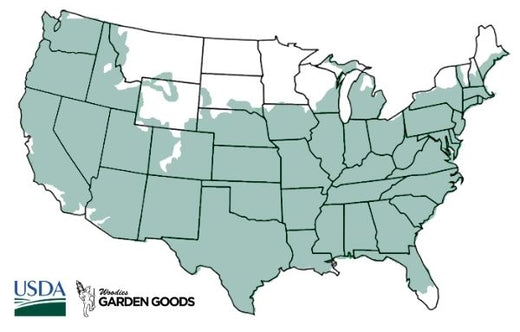
| Hardiness Zone: | 5-9 |
|---|---|
| Mature Size: | Trained length typically 15–25 ft (size depends on support and pruning) |
| Sunlight: | Full sun (best fruiting) to partial shade |
| Bloom Time / Color: | Spring; small greenish-white flowers |
| Soil Condition: | Well-drained; prefers slightly acidic to neutral; avoid waterlogged sites |
| Water Requirements: | Moderate; drought tolerant once established |
| Wildlife Value: | Flowers can support pollinators; fruit may attract birds |
| Resistance (deer/disease/drought/etc.): | Cold hardy; deer may browse young growth; good airflow helps reduce common grape diseases |
| Landscape Uses: | Edible landscaping, trellises, arbors, pergolas, fences, backyard fruit gardens |
How to Care for Concord Grape Vine
Before you buy a Concord Grape Vine, make sure to read about the recommended care instructions to keep this plant healthy and thriving.
-v1772809315243.png?92x91)
How should I plant Concord Grape Vine?
Plant Concord Grape Vine in full sun with a sturdy support already planned—trellis, arbor, pergola, or tensioned wires. Dig a hole about twice as wide as the root ball, set the vine at the same depth it grew in the pot, backfill, and water deeply to settle the roots. Finish with mulch to reduce weeds and moisture swings, keeping mulch a few inches away from the stem. Give the vine room to grow, allowing air to move through the foliage. Avoid low spots that stay wet after rain, and don’t plant right up against a wall with no airflow. A well-drained, sunny site is the fastest way to get stronger growth and better fruit quality over time.

How often should I water Concord Grape Vine after planting?
Water deeply right after planting, then keep the root zone evenly moist for the first growing season. A good starting rhythm is a deep soak about once per week, increasing during hot, dry stretches or in sandy soil. Focus water at the base of the plant and avoid overhead watering late in the day to keep foliage drier. After the first year, Concord becomes more drought-tolerant and often does well with rainfall except during prolonged drought. Deep, occasional watering is better than frequent light watering because it encourages deeper roots, which support healthier vines and more consistent fruiting.

When should I fertilize Concord Grape Vine?
Fertilize lightly in early spring as new growth begins, especially if your soil is lean. A balanced slow-release fertilizer (or compost top-dressing) is usually enough; grapes don’t need heavy feeding to produce well, and too much nitrogen can create lots of leafy growth at the expense of fruit. If your vine is growing vigorously but fruiting is light, reduce fertilizer and focus on pruning and sun exposure instead. The best fruit comes from good light, good pruning, and moderate fertility, not from pushing the vine hard with fertilizer.

When and how should I prune Concord Grape Vine?
Prune Concord during late winter while dormant, before buds swell. The goal is to maintain a simple structure on your support (a trunk and trained arms) and keep a manageable amount of one-year-old fruiting wood for the coming season. This is what drives better fruiting and keeps the vine from becoming a dense, shaded tangle. During the growing season, you can also do light training, tying shoots to wires and removing wayward growth, to keep the canopy open. If you stay consistent with dormant pruning each year, Concord becomes easier to manage and more productive as the vine matures.