Images Depicted Range in Maturity & Container Size
Pots & Decorations Not Included Unless Otherwise Stated
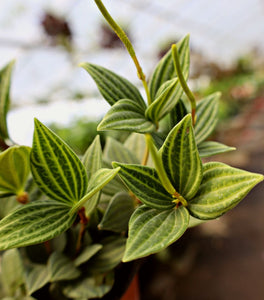
Raindrop Peperomia (Peperomia polybotrya)
Peperomia polybotrya
I love Peperomia Raindrop because it gives you that glossy, sculptural “designer houseplant” look without turning your week into a care routine. Put it in bright, indirect light, let the soil dry partway between waterings, and it just stays tidy—compact, upright, and good-looking on a desk, shelf, or countertop. If you’ve been hunting for a pet-friendly, low-maintenance indoor plant that doesn’t outgrow your space, this is one of the easiest wins you can bring home.

20% Off Sitewide Sale!
Use Code 'ENDOFSEASON20' At Checkout
📦 Free shipping on orders over $99.
Share:Recommended Add-Ons


Peperomia Raindrop Plants for Sale Online
A Polished, Compact Houseplant That Always Looks Fresh
Peperomia Raindrop is the kind of houseplant that looks designer without demanding designer-level care. Those glossy, teardrop leaves feel thick and polished, and the plant maintains a neat, upright profile rather than sprawling. It adds that “styled home” finish on a shelf, console, or countertop—like living décor that stays crisp. The foliage holds up well in real life, too, thanks to its slightly succulent leaves that store a bit of moisture. That means fewer dramatic droops and a plant that stays handsome between waterings.
Because it stays compact and naturally tidy, it’s ideal for apartments, offices, dorm rooms, and gift-giving. Growth is typically slow to moderate, so you won’t be repotting every few months or battling a plant that crowds your window. It performs best in bright, indirect light, but it can handle medium light when needed—great for homes without ideal windows. It’s also a go-to for pet households, since peperomias are widely listed as non-toxic to cats and dogs. The leaves are the main event—flowers, if they appear, are small and subtle—so you get year-round visual impact. If you want an elevated look with low-maintenance reality, Raindrop Peperomia is a smart “set it and enjoy it” choice.
Bright Indirect Light Made Simple For Real Homes
Bright, indirect light is where Peperomia Raindrop really shines—think an east window, or a few feet back from a bright south or west window. In the right spot, leaves stay thick, glossy, and evenly shaped, with steady new growth that doesn't stretch. Direct hot sun can scorch foliage, so filtered light (a sheer curtain) is the easy fix if your windows face directly south. If you notice long stems, smaller leaves, or a lean toward the window, that’s your sign to bump it into brighter indirect light.
This plant is also a strong candidate for offices and rooms with consistent artificial light, especially when paired with an LED grow bulb. Aim for typical indoor temperatures (about 65–75°F is the sweet spot) and keep it out of cold drafts and heat blasts. Humidity is flexible: it loves a little extra, but most homes are perfectly fine—just avoid placing it right next to a vent that dries it out. For styling, it looks best at eye level—on a bookshelf, plant stand, or kitchen counter—where the glossy leaves catch the light. Rotate the pot every week or two for balanced growth, and you’ll keep that signature “raindrop” silhouette looking polished from every angle.
A Watering Routine That Prevents Root Rot And Leaf Drop
The fastest way to love this plant is to stop overwatering it. Peperomia Raindrop stores moisture in its fleshy leaves, so it prefers a “soak, then dry” rhythm rather than constant damp soil. Water thoroughly, let excess drain, and wait until the top half of the potting mix is dry before watering again. That simple habit keeps roots healthy and helps prevent the yellowing, mushy stems, and leaf drop that come with soggy soil. If leaves feel soft and limp, it may be too dry; if they feel overly soft with darkening stems, it’s often too wet.
A well-draining mix matters as much as your watering schedule. Use a quality indoor potting soil cut with perlite (or a pinch of orchid bark), so water moves through quickly, and always choose a pot with drainage holes. Empty the saucer after watering—roots shouldn’t sit in runoff. Bottom watering works well for compact pots, but an occasional top watering helps flush salts from fertilizer and tap water. In winter or lower light, expect to water less often; in brighter light or warmer rooms, the plant will drink a bit more. If you want an easy “tell,” lift the pot—when it feels noticeably lighter and the top inches are dry, it’s time to water.
Perfect For Pots, Desks, And Small-Space Styling
Raindrop Peperomia is well-suited to containers, and it looks especially sharp in a simple ceramic pot that highlights its glossy leaves. Because it stays compact, you can keep it in the same planter for a while—repot only when roots fill the pot, growth slows, or water starts running straight through. When you do size up, go just one pot size larger to avoid extra soil staying wet for too long. Choose a pot with drainage, and consider a slightly heavier container if you’re placing it on a high shelf or a sloped plant stand.
This is also an easy plant to refresh or share. Healthy stems and leaves can be propagated from cuttings, so you can grow a backup plant or make a gift. If your home runs dry in winter, a small humidifier or pebble tray helps keep leaf edges looking their best. For styling, treat it like a living accent: cluster it with other compact houseplants for a layered look, or let it stand alone as a minimalist statement. It even does well under bright office lighting, which makes it a reliable desk plant. On shelves, a spot away from traffic keeps those glossy leaves pristine—and the tidy habit makes it a year-round small-space favorite.

| Hardiness Zone: | 10-12 |
|---|---|
| Mature Height: | 10 to 12 Inches |
| Mature Width: | 10 to 12 inches |
| Sunlight: | Bright to medium indirect light; avoid hot direct sun |
| Bloom Time / Color: | Occasional warm-season bloom; subtle greenish-white flower spikes |
| Foliage: | Green |
| Soil Condition: | Well-draining indoor potting mix; amend with perlite/bark |
| Water Requirements: | Water thoroughly, then let mix dry partially before rewatering |
How to Care for Peperomia Raindrop
After you purchase your Peperomia Raindrop Plant, be sure to read the recommended care instructions to keep this plant healthy and thriving for years to come!

How should I plant Peperomia Raindrop?
Start with a pot that has drainage holes and a fast-draining indoor mix. A quality potting soil blended with perlite (and optionally a little orchid bark) helps prevent soggy roots, which is the most common issue with peperomias. Set the plant at the same soil level it was growing in its nursery pot, gently firm the mix, and water thoroughly to settle everything in. Place it in bright, indirect light and avoid immediately “upsizing” to a much larger pot—one pot size up is plenty when it’s time to repot.

How often should I water Peperomia Raindrop after planting?
Right after planting, water deeply and let excess drain completely. Then pause—Peperomia Raindrop prefers to dry down partially before the next watering, so you’re aiming for moist-but-not-wet roots. Check the soil with your finger: when the top half of the potting mix feels dry (and the pot feels lighter), it’s time to water again. In bright light and warm rooms, that might be more frequent; in winter or lower light, it’s usually less. The goal is consistency, not a calendar.

When should I fertilize Peperomia Raindrop?
Feed lightly during active growth—typically spring through early fall—using a balanced houseplant fertilizer at a diluted rate. Peperomias are not heavy feeders, so gentle, steady nutrition is better than strong doses. Skip fertilizing in late fall and winter when growth slows, and always water before fertilizing to avoid stressing dry roots. If you see salt buildup on the soil surface or leaf tips browning, flush the pot occasionally with plain water and reduce fertilizer strength.

When and how should I prune Peperomia Raindrop?
Pruning is mostly for shape and cleanliness. Remove yellowing or damaged leaves at the base of the stem any time you notice them, and trim leggy growth if the plant starts to stretch. The best time for a shaping prune is spring or early summer, when the plant rebounds fastest. Use clean snips, cut just above a node, and rotate the pot afterward so new growth stays balanced. If you’re propagating, healthy cuttings can be rooted to make a fuller plant.