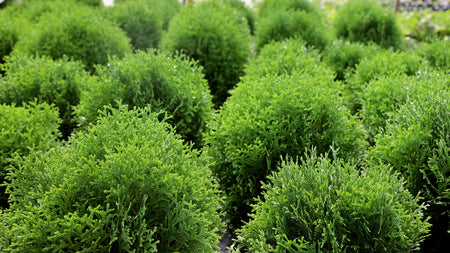
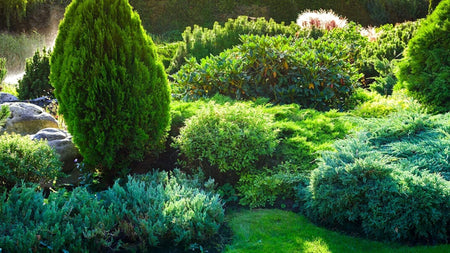
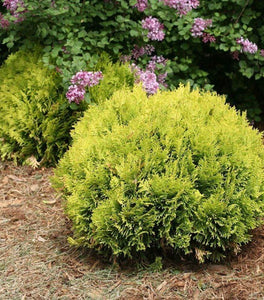
Images Depict Mature Plants
Golden Globe Arborvitae
Thuja occidentalis 'Golden Globe'
Golden Globe Arborvitae is one of those shrubs that gives you an evergreen structure without feeling boring. The rounded form keeps things neat, but the golden foliage is what really makes it useful in the landscape, brightening beds and adding contrast all year long. For homeowners who want a compact evergreen accent with more color than the usual green shrub, this is a very smart choice.

10% OFF SITEWIDE
Use Code MAY10 at Checkout!
📦 Free shipping on orders over $99.
Delay shipping by leaving us a message at Checkout.
Share:

A Compact Evergreen Shrub with Bright Golden Color
A Small Evergreen That Adds Color Right Away
Golden Globe Arborvitae is one of the most useful compact evergreens for homeowners who want year-round structure with more color than a standard green shrub. Its naturally rounded habit makes it especially easy to use in foundation beds, borders, and smaller landscape spaces where a larger evergreen would feel too bulky.
This shrub helps a planting feel brighter and more finished from the moment it goes into the ground. It brings dependable evergreen form with a softer golden tone that stands out beautifully against darker shrubs, stone, and mulch.
Golden Foliage That Keeps the Garden Lively
One of the biggest reasons to plant Golden Globe Arborvitae is the foliage color. The dense sprays of golden-yellow to yellow-green growth give the shrub a cheerful, eye-catching look throughout the growing season and help it continue to contribute strong color even when flowers are not in bloom.
That color is what makes this plant especially valuable in the landscape. It offers contrast, brightness, and texture in a way that a plain green evergreen often cannot, which gives it strong design value in both formal and informal plantings.
A Naturally Rounded Habit with Minimal Pruning
Golden Globe Arborvitae is especially appealing because it naturally develops into a compact globe shape. That means homeowners can enjoy a neat, tidy shrub without the constant clipping required by many more formal evergreens.
That easy-care habit is one of the plant’s strongest selling points. It creates a polished, intentional look in the landscape while staying simple to maintain over time.
Perfect for Foundations, Borders, and Low Evergreen Accents
Golden Globe Arborvitae works beautifully in foundation plantings, mixed evergreen borders, low hedges, and repeating accent rows. Its smaller mature size makes it especially useful where homeowners want an evergreen structure without blocking windows, crowding walkways, or overpowering neighboring plants.
Because it stays low and rounded, it is a strong choice for residential landscapes where scale matters. It gives the bed shape and year-round interest while still feeling compact and manageable.
Easy to Grow and Best Where Deer Pressure Is Lower
Golden Globe Arborvitae performs best in full sun to part shade with well-drained soil. It is generally easy to maintain and needs only light pruning if any shaping is desired, which makes it especially useful for homeowners who want a dependable evergreen with a naturally compact form.
For deer resistance, it is best to be realistic. Arborvitaes are not the strongest choice in areas with heavy deer pressure, so this plant is a better fit where browsing is lighter or protection is part of the planting plan.
For homeowners who want a compact evergreen shrub with bright golden color, a naturally rounded shape, and easy-care structure, Golden Globe Arborvitae is an excellent choice. It offers year-round interest, clean form, and strong landscape versatility in one hardworking plant.
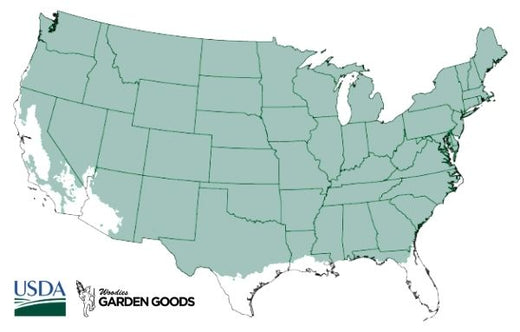
| Hardiness Zone: | 3-8 |
|---|---|
| Mature Height: | 3 to 4 Feet |
| Mature Width: | 3 to 4 Feet |
| Sunlight: | Full sun to part shade |
| Soil | Well-drained soil |
| Water | Moderate; water regularly during establishment |
| Bloom Time / Color | Conifer; grown for foliage |
| Ornamental Features | Dense golden foliage, naturally rounded globe habit, compact evergreen structure |
| Wildlife Value | Provides evergreen cover and shelter value |
| Resistance (deer/disease/drought/etc.) | Easy care; some drought tolerance once established; best with deer protection where browsing pressure is high |
| Landscape Uses | Foundation planting, low hedge, border shrub, evergreen accent, mixed evergreen bed |
How to Care for Golden Globe Arborvitae
Before you buy a Golden Globe Arborvitae, read the recommended care instructions to keep it healthy and thriving.
-v1776365743617.png?92x91)
How should I plant Golden Globe Arborvitae?
Plant Golden Globe Arborvitae in a location with full sun to part shade and well-drained soil. Dig a hole about twice as wide as the root ball and no deeper than the root ball itself, then set the shrub so the top of the root ball sits level with or slightly above the surrounding soil. This helps support healthy root establishment and reduces the chance of planting too deeply. Backfill with native soil, water thoroughly, and mulch around the base to help retain moisture and reduce weeds. Keep mulch a few inches away from the stems. If planting in a border or low hedge, leave enough room for the rounded globe shape to develop naturally.
-v1776365778199.png?89x84)
How often should I water Golden Globe Arborvitae after planting?
Water Golden Globe Arborvitae deeply right after planting, then continue watering regularly during the establishment period. In most landscapes, that means a deep soaking about once or twice per week depending on rainfall, heat, and soil drainage. The goal is evenly moist soil while the shrub builds a strong root system. Once established, this arborvitae becomes easier to manage, but it still performs best when not repeatedly stressed by long dry periods. Deep watering is much better than frequent shallow watering because it encourages stronger roots and better long-term performance.
-v1776365798356.png?90x89)
When should I fertilize Golden Globe Arborvitae?
Fertilize Golden Globe Arborvitae only if needed, especially if growth appears weak or foliage color looks dull. If feeding is necessary, early spring is usually the best time to apply a balanced slow-release evergreen fertilizer or compost to support healthy new growth. Avoid overfeeding healthy plants. In many landscapes, proper sun exposure, good drainage, and consistent watering during establishment matter more than aggressive fertilization. The goal is balanced growth, dense foliage, and healthy evergreen color.

When and how should I prune Golden Globe Arborvitae?
Golden Globe Arborvitae needs very little pruning because it naturally holds a rounded globe shape. If cleanup or shaping is needed, late spring is usually the best time for light trimming once new growth has begun to settle. Avoid heavy cutting into older inner wood. Light, selective pruning is usually all that is needed to keep the plant tidy and preserve the natural form that makes this shrub so easy to use.