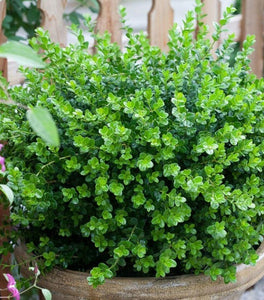
Images Depict Mature Plants
Winter Gem Boxwood
Buxus microphylla japonica 'Winter Gem'
Winter Gem Boxwood is one of those “plant it and exhale” shrubs for me, because it gives you year-round structure that looks polished in every season without turning your weekends into trimming marathons. I love it for clean borders, tidy foundation beds, and especially hedges where you want a dense wall of green that still feels classic and calm.

15% OFF SITEWIDE, USE CODE 'FALLPLANT15'
📦 Free shipping on orders over $99.
Delay shipping by leaving us a message at Checkout.
Share:

Winter Gem Boxwood Shrub For Dense Evergreen Hedges, Containers, And Reliable Winter Color
A Classic Evergreen That Stays Polished In Every Season
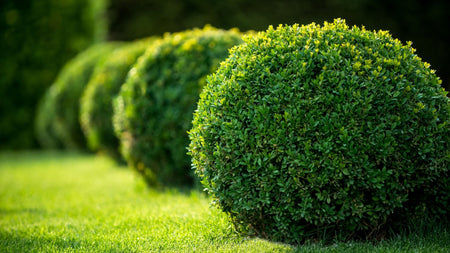
Winter Gem Boxwood is the dependable “green structure” shrub that makes landscapes look finished all year. It forms a naturally dense, rounded shape with small, glossy leaves that read clean and refined from the street, the patio, and the front walk. In spring and summer, the foliage is a rich, lively green; in winter, it can take on a slightly warmer tone before returning to a brighter green as temperatures rise. That seasonal shift is normal and part of what makes this variety feel natural rather than plastic-perfect.
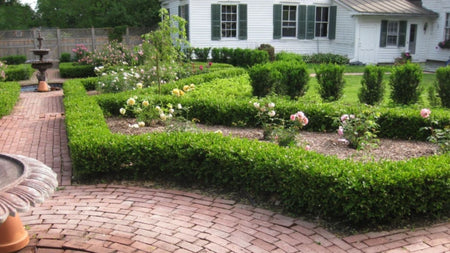
Design-wise, Winter Gem works like landscape architecture. Use it to frame an entry, anchor the corners of foundation beds, edge a walkway, or create repetition in a mixed border so everything looks more intentional. It blends seamlessly with both formal designs (parterres, straight hedges, tidy borders) and softer plantings, providing structure without stiffness. If you want one evergreen that “holds the whole look together,” Winter Gem is a reliable choice.
Dense Growth For Hedges That Look Full, Not Fluffy
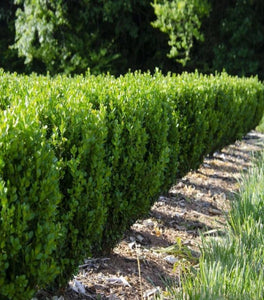
If your goal is a boxwood hedge that actually looks dense, Winter Gem is built for it. Tight branching helps it fill in evenly, so you get a fuller wall of green without waiting forever or constantly correcting gaps. It also responds well to shaping, which means you can create anything from low edging to a mid-height hedge with clean lines. With a moderate growth pace (often around 4–6 inches per year), it’s fast enough to establish a look, but controlled enough to stay manageable.
This is the sweet spot for most shoppers: a boxwood that doesn’t explode into constant maintenance, but still builds a noticeable hedge in a few seasons. Plant it in a row for a polished border along a driveway, to soften fencing, or to define outdoor “rooms” around patios and seating areas. The result is a hedge that looks intentional and upscale, not overgrown and fluffy.
Cold-Hardy, Deer-Resistant Confidence For Real-World Gardens
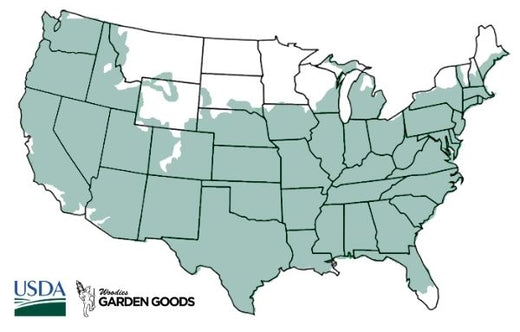
Winter Gem stands out because it handles winter weather and shifting temperatures with more grace than many traditional boxwoods. It’s a strong pick for gardeners who want evergreen structure without worrying that one rough season will undo years of progress. While no plant is truly deer-proof, boxwood’s aromatic foliage is typically less appealing to browsing, making Winter Gem a practical option in areas with regular deer pressure.
That combination, cold-hardy performance and deer resistance, is exactly why Winter Gem belongs in foundation beds and front-yard designs. These are the areas you see every day, including winter, when everything else is quiet. Winter Gem keeps the landscape looking neat and balanced through the hardest months, which means you get four-season curb appeal instead of a winter “blank spot” where your structure should be.
Easy Care That Rewards Good Drainage And Simple Timing
Winter Gem Boxwood is low-maintenance when you get the basics right: full sun to part shade, well-drained soil, and consistent moisture while it establishes. “Even moisture” doesn’t mean soggy roots; it means watering deeply so the root zone stays hydrated, then letting the surface dry slightly between waterings. A mulch ring helps stabilize soil temperature and moisture and protects the shrub from mower and trimmer damage that can cause long-term stress.
Pruning is simple and forgiving if you time it well. A light trim in late spring cleans up the outline and encourages denser branching. If you want a more formal hedge, a second, very light trim in mid-summer can keep lines crisp. The key is avoiding heavy pruning late in the season, which can push tender growth at the wrong time. Keep it simple, keep it timely, and Winter Gem stays compact, dense, and polished for years.
| Mature Height: | 3 to 4 Feet (less, if trimmed) |
|---|---|
| Mature Width: | 3 to 4 Feet (less, if trimmed) |
| Bloom Time / Color: | Spring; small yellow-green flowers (not showy) |
| Sunlight: | Full sun to part shade |
| Soil Condition: | Moist, well-drained soil |
| Water Requirements: | Even moisture; drought-tolerant once established |
| Wildlife Value: | Flowers may attract early pollinators |
| Resistance (deer/disease/drought/etc.): | Deer resistant; cold-hardy; drought-tolerant once established |
| Landscape Uses: | Hedges, borders, containers, foundation plantings |
How to Care for Winter Gem Boxwood
Be sure to read our planting instructions to ensure your Winter Gem Boxwoods stay healthy for years to come!

How should I plant Winter Gem Boxwood?
Choose a site with full sun to part shade and soil that drains well after rain. Dig a hole about twice as wide as the root ball and just as deep, then set the shrub so the top of the root ball sits level with (or slightly above) the surrounding soil. Backfill with native soil, firm gently to remove air pockets, and water deeply to settle the roots into place. Finish with a 2–3-inch mulch ring around the root zone, keeping mulch a few inches away from the stems to prevent moisture buildup at the base. For hedges, stake out your line and spacing before planting so each shrub has room to mature evenly and you get a cleaner, more uniform hedge.

How often should I water Winter Gem Boxwood after planting?
Water thoroughly right after planting, then keep the root zone consistently moist during the first few weeks. A practical approach is to deep-water 2–3 times per week at first, then gradually reduce the frequency as the shrub establishes. The goal is steady moisture without waterlogging, so water slowly and let the top inch or two begin to dry between waterings. Once established, Winter Gem becomes more drought-tolerant but still looks best with occasional deep watering during extended heat or dry spells. Deep, infrequent watering encourages stronger roots and helps reduce stress that can show up as thinning foliage or winter bronzing.

When should I fertilize Winter Gem Boxwood?
Fertilize in early spring as new growth begins using a slow-release, balanced fertilizer formulated for evergreens. Apply around the root zone (not right against the stems) and water it in well. This supports healthy, steady growth and helps maintain the rich green color most shoppers want from boxwoods. You can also top-dress with compost annually to support long-term soil health and moisture management. Avoid heavy fertilizing late in the season, since pushing tender new growth too late can increase winter stress.

When and how should I prune Winter Gem Boxwood?
Lightly prune in late spring to shape the plant and encourage dense branching. If you are maintaining a formal hedge, you can clip again in mid-summer for a sharper outline, keeping cuts modest so you do not expose too much interior foliage at once. Small, regular trims usually look better than one aggressive cut. Avoid heavy pruning in late fall, since new growth may not harden off before cold weather. For hedges, keep the top slightly narrower than the bottom so sunlight reaches the lower foliage and the hedge stays full from top to ground.