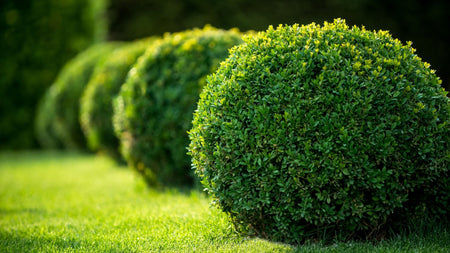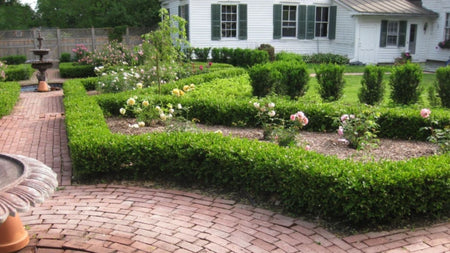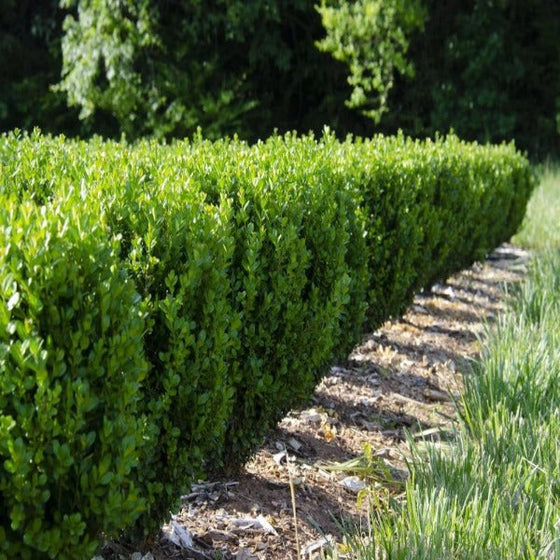
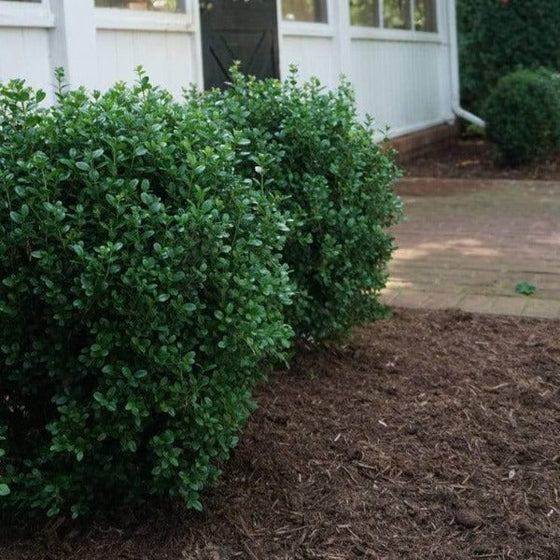
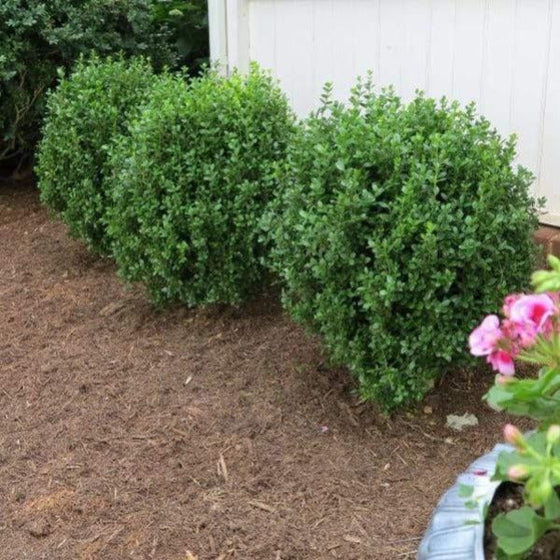


Images Depict Mature Plants
NewGen Freedom® Boxwood
Buxus NewGen Freedom
When someone tells me they want that classic boxwood look but they’re nervous about blight, NewGen Freedom® is an easy confidence-builder—dense, fast to fill in, and tailor-made for hedges that look finished sooner. Give it good drainage, deep watering in year one, and a clean spring prune, and it’ll reward you with a tidy evergreen backbone that makes the whole landscape feel more intentional.

15% OFF SITEWIDE, USE CODE 'FALLPLANT15'
📦 Free shipping on orders over $99.
Delay shipping by leaving us a message at Checkout.
Share:

NewGen Freedom® Boxwood For Fast, Dense, Blight-Resistant Boxwood Hedges And Clean Four-Season Structure
Confidence-Boosting Boxwood For Modern Landscapes
NewGen Freedom® Boxwood was designed for gardeners who love the classic boxwood look but want a shrub that performs more reliably in real-world conditions. It delivers dense evergreen foliage, a naturally tidy habit, and strong performance where older boxwoods can struggle. The result is a shrub that brings instant “structure” to beds and borders—and keeps that polished look through the seasons with less worry.
Use it anywhere you want, evergreen order: lining a walkway, framing foundation plantings, or creating a clean edge that makes flowering shrubs and perennials look even more intentional. It’s a smart choice for both formal designs and everyday landscapes because it reads as elegant without feeling fussy.
Fast Fill-In For Hedges That Look Finished Sooner
If you’re building a hedge, speed matters—and NewGen Freedom® is known for a faster growth rate than many traditional boxwoods. That quicker fill-in helps you get a denser, more continuous look sooner, especially when you combine good spacing with consistent first-year watering. The habit is upright and rounded, slightly taller than wide, which is ideal for creating a neat hedge line without a bulky footprint.
At maturity, expect roughly 4–5 feet tall and 4–5 feet wide (less if trimmed). That size is a sweet spot for medium-height hedges and repeat plantings—tall enough to define space, compact enough to stay manageable. It also responds well to pruning, so you can keep it crisp and uniform or let it stay softly rounded.
Evergreen Color With Deer Resistance And Stronger Resilience
NewGen Freedom® stays evergreen year-round, giving your landscape the “bones” it needs in winter and the calm green backdrop that makes every season feel more designed. It’s also considered deer resistant, which is a big deal for border plantings and long hedge runs where browsing can quickly ruin symmetry. While no plant is completely deer-proof, boxwoods are typically low on the menu, and this variety is a dependable choice for cleaner, less-chewed plantings.
Another key advantage is its enhanced tolerance to common boxwood problems, including boxwood blight and leafminer pressure. Good airflow and base watering are still important (all boxwoods appreciate that), but NewGen Freedom® is built to help you keep a healthier-looking hedge with fewer setbacks.
Low-Maintenance Care That Rewards Good Basics
The best-looking boxwoods come from a simple routine: plant in well-drained soil, water deeply while establishing, and prune at the right time. NewGen Freedom® prefers full sun to part shade and performs best when the soil drains well after rain. Mulch helps stabilize moisture and reduce stress, and watering at the base keeps foliage drier and happier over the long term.
Once established, it’s moderately drought tolerant, but it will stay denser and greener with occasional deep watering during extended dry periods. In exposed winter sites, some bronzing can happen—so if winter color is a top priority, give it a bit of protection from harsh wind and intense winter sun. Do those basics, and you’ll have a fast, clean evergreen that stays easy to maintain.
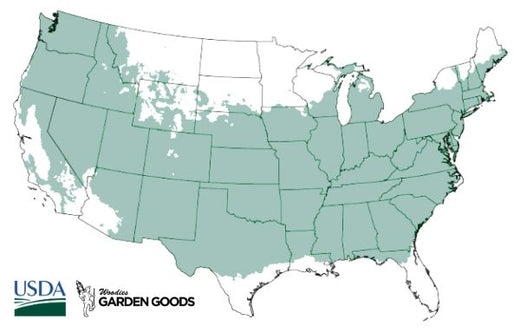
| Hardiness Zone | 5–8 |
|---|---|
| Mature Height: | 4 to 5 Feet / less if trimmed |
| Mature Width: | 4 to 5 Feet / less if trimmed |
| Sunlight: | Full sun to part shade |
| Bloom Time / Color: | Spring; inconspicuous |
| Soil Condition: | Any well-drained soil |
| Water Requirements: | Water well until established; moderate once established |
| Wildlife Value: | Minor; dense evergreen cover and subtle spring bloom |
| Resistance (deer/disease/drought/etc.): | Deer resistant; enhanced tolerance to boxwood blight; leafminer tolerance; moderately drought tolerant once established |
| Landscape Uses: | Hedges, borders, foundation plantings, topiary, pathway edging, mass planting, containers |
How to Care for NewGen Freedom® Boxwood
Be sure to read our planting instructions to ensure a healthy and happy NewGen Freedom Boxwood Shrub for years to come!

How should I plant NewGen Freedom® Boxwood?
Plant NewGen Freedom® Boxwood in well-drained soil in full sun to part shade. Dig a hole about twice as wide as the root ball and no deeper, then set the plant so the top of the root ball is level with (or slightly above) the surrounding soil. Backfill with native soil, firm gently, and water deeply to settle the roots and remove air pockets. Finish with a 2–3 inch mulch ring over the root zone, keeping mulch a few inches away from the stems. If you’re planting a hedge, measure your spacing first so the row stays straight and the plants fill evenly as they mature.
-v1771260357133.png?89x84)
How often should I water NewGen Freedom® Boxwood after planting?
Water thoroughly right after planting, then water deeply about once per week during the first growing season. During hot or dry stretches, increase watering to twice per week to prevent the root ball from drying out. Aim for slow soaking at the base so moisture reaches 6–8 inches deep, encouraging roots to grow outward and down. After the first year, water is provided during extended dry periods rather than on a fixed schedule. Check soil a few inches down—if it feels dry, it’s time to water—and keep mulch refreshed to reduce stress from moisture swings.
-v1771260362000.png?90x89)
When should I fertilize NewGen Freedom® Boxwood?
Fertilize in early spring, just before new growth begins, using a balanced, slow-release fertilizer for shrubs or evergreens. Apply around the root zone (not against the stems) and water it in well so nutrients move into the soil where roots can access them. If growth is slower than you’d like or soil is lean, a light mid-summer feeding can help support density and color. Avoid heavy late-season fertilizing, which can push tender growth too close to winter and increase stress.

When and how should I prune NewGen Freedom® Boxwood?
Do your main pruning in late winter or early spring before strong new growth begins. Start by removing any dead, damaged, or crossing branches, then shape the outside lightly to maintain a clean outline. Keep cuts modest—avoid removing more than about one-third of the plant at a time to prevent stress. For formal hedges or topiary, a light touch-up during the growing season can keep lines crisp, but avoid heavy pruning in late fall. Occasional interior thinning improves airflow and light penetration, helping foliage stay healthier and more uniform over time.