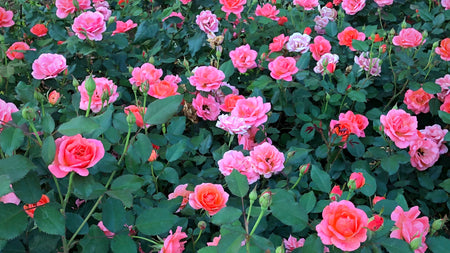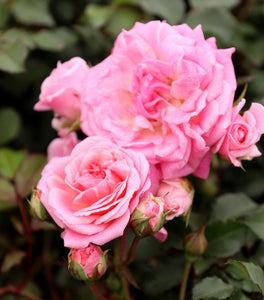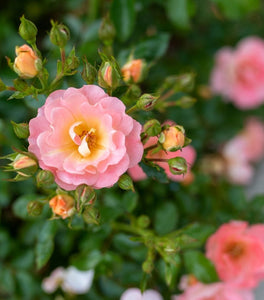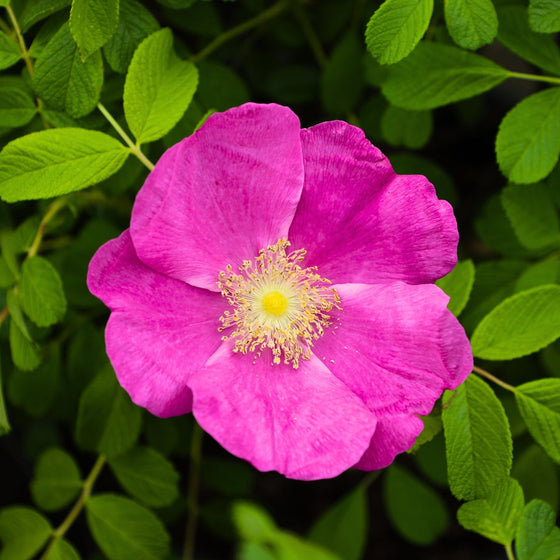
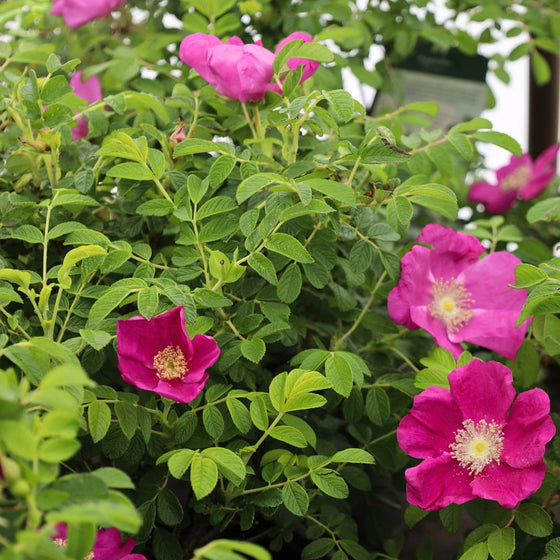
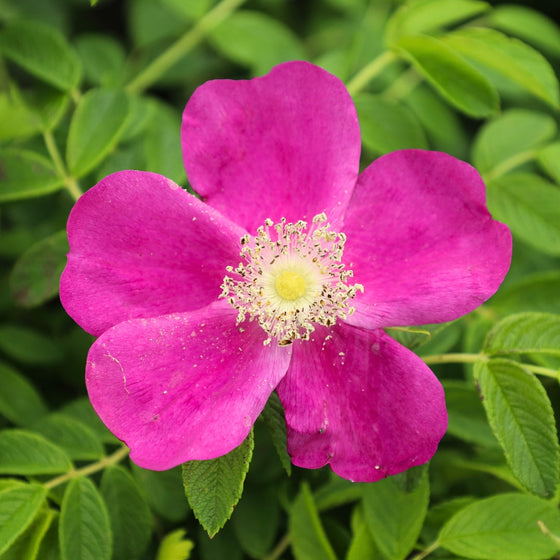


Images Depict Mature Plants
Rugosa Rose (Beach Rose)
Rosa rugosa
If you’ve ever wanted a rose that feels like it could handle real weather—and still look beautiful doing it—Rugosa Rose is the one I point to. It’s fragrant, thorny, and wonderfully tough, with bold pink-red blooms, textured foliage, and those chunky rose hips that show up like a bonus season. Give it sun, drainage, and one late-winter prune, and it turns into the kind of flowering hedge that feels timeless and protective all at once.

Take 20% OFF SITEWIDE.
Use Coupon Code: EARLYBIRD20
📦 Free shipping on orders over $99.
Delay shipping by leaving us a message at Checkout.
Share:


Rugosa Rose Bush for Tough Hedging, Coastal Hardiness, and Fragrant Summer Color
A Fragrant, Bold-Blooming Rose Bush That Looks Wild And Beautiful
Rugosa Rose brings that classic, old-fashioned rose charm—fragrant blooms in rich pink-to-red tones, backed by deep green, textured foliage that looks substantial even when the plant isn’t in peak flower. Instead of feeling delicate, this rose feels rugged and confident in the landscape. It’s a beautiful choice when you want a real rose character (scent, color, and presence) without the high-maintenance routine many modern roses can demand.
The flowers typically arrive in late spring and continue through summer in waves, and the plant’s naturally full, densely branched habit keeps it looking lush. As blooms fade, Rugosa Rose often develops chunky, tomato-shaped rose hips that add another season of interest and color as we head into late summer and fall. It’s a shrub rose that earns its space—pretty up close, strong from the street, and full of that “garden story” feeling.
A Thorny, Dense Hedge Rose That Creates A Natural Barrier
If you want a living fence that’s genuinely hard to push through, Rugosa Rose is built for the job. The stems are densely prickly, and the plant forms a rounded, upright shrub that typically matures about 4 to 6 feet tall and 4 to 6 feet wide. That size gives you real presence for screening, boundary plantings, and privacy edges—without the need for a formal hedge that demands constant shearing.
Rugosa Rose shines in hedges and borders where foot traffic is minimal, because those thorns are no joke. But that same thorny character is exactly why it works so well as an impenetrable hedge along property lines, around utility areas, or to protect more delicate plantings behind it. Plant it in a row for a natural barrier hedge, or use it as a specimen shrub for a bold, flowering focal point with strong structure.
Built For Tough Sites: Salt, Sand, Wind, And “Not-Perfect” Soil
Rugosa Rose is famously tolerant of challenging conditions, which is why it’s often used in coastal settings and sandy soils. It handles salt spray and sand far better than many roses, and it can even be used in landscapes where erosion control and stabilization are part of the goal. Give it well-drained soil and plenty of sun, and it will reward you with healthier foliage and stronger blooming.
Once established, it’s also more forgiving during dry stretches than fussier rose types—though the best performance still comes from consistent deep watering during the first growing season. Rugosa Rose is also known for impressive disease resistance, especially when planted in full sun with good air circulation. In short, it’s a rose that doesn’t need perfect conditions to look good, which makes it a smart pick for real-life landscapes.
Easy Seasonal Care: A Late-Winter Prune And Simple “Set It Up Right” Watering
The simplest way to keep Rugosa Rose happy is to start with sun, drainage, and a smart watering rhythm. Water well until established, focusing on deep, base-level watering rather than overhead sprays. A 2–3-inch mulch layer helps hold moisture and reduce weeds, but keep the mulch a few inches off the stems so the base stays dry and healthy.
Prune in late winter to refresh the plant and keep it dense and rounded. Remove dead or damaged wood first, then thin lightly for airflow and shape as needed—especially if you’re using it as a hedge. Rugosa Rose can be vigorous and may spread by suckers over time, so occasional suckering cleanup helps maintain clean edges in more formal beds. With one seasonal prune and early, practical watering, this rose stays strong, full, and reliably beautiful.
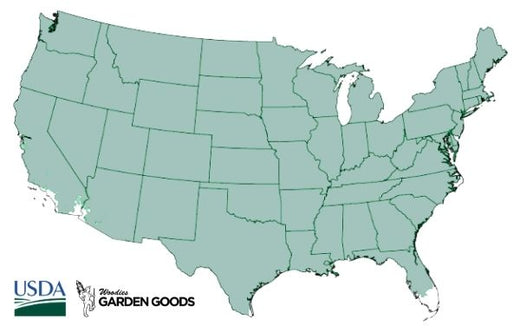
| Hardiness Zone: | 3-9 |
|---|---|
| Mature Height: | 4 to 6 Feet |
| Mature Width: | 4 to 6 Feet |
| Sunlight: | Full sun for best blooms (tolerates part sun) |
| Bloom Time / Color | Late spring through summer; pink to red blooms (often with golden centers) |
| Soil Condition: | Any well-drained soil; very tolerant of sandy soils |
| Water Requirements: | Water well until established; then water during extended dry spells |
| Wildlife Value | Pollinators visit blooms; rose hips can feed birds and small mammals |
| Resistance | Impressive disease resistance; salt/sand tolerant; moderate drought tolerance once established; thorny growth can deter browsing (not deer-proof) |
| Landscape Uses | Flowering hedge, barrier planting, borders, screens, specimen shrub, coastal gardens, dune/erosion-prone sites |
How to Care for Rugosa Rose
Be sure to read our planting instructions to ensure a healthy and happy Rugosa Rose plant for years to come!
-v1770489566393.png?92x91)
How should I plant Rugosa Rose?
Plant Rugosa Rose in a sunny spot with well-drained soil. Dig a hole about twice as wide as the root ball and set the plant so the top of the root ball sits level with the surrounding soil. Backfill with native soil, water deeply to settle, and create a shallow watering ring to guide water into the root zone. Finish with 2–3 inches of mulch to conserve moisture and reduce weeds, keeping mulch a few inches away from the stems. If you’re planting in sandy coastal soil, mulch is especially helpful for holding moisture while roots establish. For hedge rows, lay out spacing first so your line stays straight and plants knit together evenly.
-v1770489581105.png?89x84)
How often should I water Rugosa Rose after planting?
Water deeply right after planting, then keep the root zone evenly moist (not soggy) for the first several weeks. A good baseline is one deep soak per week, increasing to two soaks per week during hot weather, wind, or very sandy soil where moisture drains quickly. After the first season, Rugosa Rose becomes more drought tolerant, but it will bloom best with occasional deep watering during extended dry spells. Water at the base so foliage dries quickly and stays cleaner. Deep, less-frequent watering encourages stronger roots and better long-term resilience.
-v1770489601884.png?90x89)
When should I fertilize Rugosa Rose?
Fertilize in early spring as new growth begins using a rose fertilizer or a balanced slow-release fertilizer. Apply it over the root zone (not against the stems) and water afterward so nutrients move into the soil where roots can absorb them. If growth is strong and you want a bit more repeat bloom, a light mid-season feeding can help—especially in lean, sandy soils. Avoid heavy late-season fertilizing, which can push tender new growth when the plant should be slowing down. Steady, moderate feeding supports healthier foliage and more consistent flowering.

When and how should I prune Rugosa Rose?
Prune Rugosa Rose in late winter before active spring growth. Start by removing dead, damaged, or crossing stems, then thin lightly for airflow. If you’re maintaining a hedge form, shape the plant after cleanup to keep it dense and rounded. Rugosa Rose can be vigorous and may produce suckers, so remove unwanted shoots at the base to keep edges clean—especially in smaller beds. Deadheading is optional; leaving some blooms to mature encourages decorative rose hips later in the season. A simple late-winter prune is usually the main “must-do” for long-term health and shape.