
Pink Flowering Rose Bushes
Soft color, serious garden performance—pink blooms that keep coming back.
Pink rose bushes are the easiest way to add “finished” beauty to a landscape—romantic color, real fragrance (in the right varieties), and that classic rose shape that instantly elevates beds, borders, and entries. What I love about shopping pink is the range: blush, bubblegum, shell, hot pink—plus bloom styles from elegant, long-stem flowers to cluster-blooming shrubs that look like a living bouquet from the curb. This collection also gives you flexibility in how you use roses: as a low hedge, a foundation accent, a container focal point, or a cut-flower row that rewards you all season.
For best blooms, keep the recipe simple: strong sun (a common guideline is at least 6 hours of direct light), watering at the base instead of over the leaves, and enough spacing so air can move through the planting as shrubs mature. Repeat-blooming roses are prized because they can flower from late spring until the first frosts, especially when you keep plants healthy and do light deadheading after flushes. Then do the big reset at the right time—most roses are pruned in late winter to early spring, with methods adjusted by rose type—so plants push fresh, flower-ready growth. Our We Grow Together Promise means you’ll have clear timing and practical care steps from planting day onward.
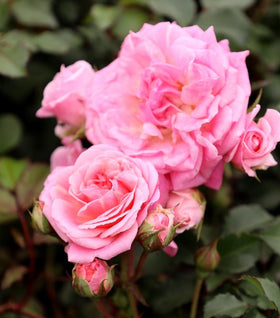


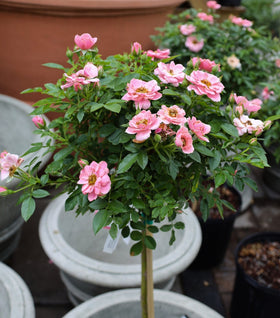
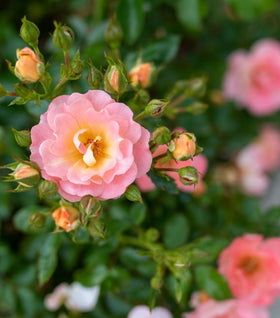
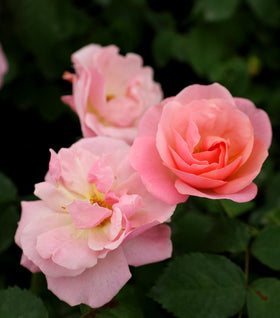
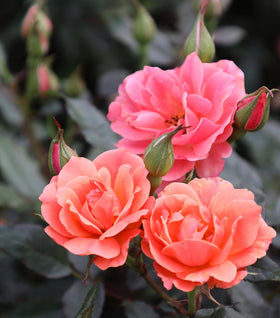
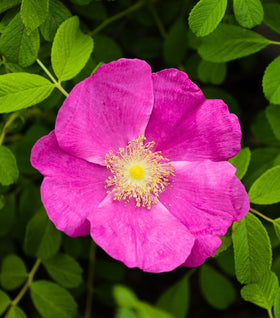


Make pink the star of your landscape.
Pink roses have a special talent: they read as soft and welcoming up close, but they still “pop” from the street when you plant them with intention. Use them to frame a front walk, brighten a mailbox bed, or anchor a mixed border where you want a long-season bloom feature that feels classic rather than trendy. Because rose bushes can be used as hedges, container plants, groundcovers, and specimen shrubs, you can build a whole design theme around pink—without locking yourself into one plant size or one bloom style.
One of the smartest ways to use pink roses is to repeat them. Plant the same variety in a loose row along a fence or driveway edge, and you get immediate rhythm and “designer” structure—especially when you underplant with low perennials or grasses that hide the base and extend the season. If you prefer a more natural look, mass three to five shrubs in a curved bed so the blooms read as a color sweep rather than scattered dots.
If you’re planning for a season-long payoff, prioritize repeat-blooming types and provide conditions that support consistent flowering. Repeat bloomers are widely described as blooming from late spring until the first frosts, which makes pink roses a high-return choice for homeowners, landscapers, and avid gardeners who want color that doesn’t disappear mid-summer.
Pick your bloom style, fragrance, and mature size.
Pink rose bushes aren’t “one plant”—they’re a category that can include compact landscape shrubs, classic bloom forms for cutting, and spreading groundcover types that cover space with flower clusters. That variety is exactly what makes this collection useful: you can choose a rose that fits your bed depth, your maintenance comfort level, and the look you want—neat and polished, romantic and ruffled, or low and sweeping.
Mature size depends on rose class and vigor, so it’s best to think in lanes: compact roses that stay relatively low and rounded; mid-size shrubs that fill a typical foundation bed; and larger shrubs that act more like flowering anchors. Spacing guidance reflects those differences—many types are commonly planted a few feet apart to match their mature width and keep airflow moving, which helps roses look fuller and bloom better over time.
Growth rate is usually steady when roses get what they need—sun, drainage, and consistent moisture during establishment—then plants tend to become more floriferous as they build strong canes and thicker root systems. In real-garden terms, year one is about settling in; years two and three are where you often see the “wow, it’s really taking off” flowering performance that makes roses feel so rewarding.
Plant in the full sun, and space for healthier leaves.
If you want abundant pink blooms, choose the sun first. A common baseline recommendation is 6+ hours of direct sunlight, with morning sun especially helpful because it dries foliage earlier—one of the simplest ways to reduce common fungal issues that thrive when leaves stay wet. If you have a “pretty but shadier” spot and a “brighter, airier” spot, the brighter one will almost always give you better bloom and cleaner foliage.
Spacing is where you set roses up to stay easier. Miniatures are often spaced closer, while many floribundas, hybrid teas, and grandifloras are commonly spaced about 2.5–3 feet apart (with more vigorous shrubs needing more room), and staggered planting can improve air circulation in wider beds. That breathing room also makes deadheading and pruning simpler—less wrestling with thorns, more enjoying the flowers.
Site details matter: roses prefer well-drained soil and perform best when watered at the base rather than overhead. Base watering reduces leaf wetness and helps limit spore movement for black spot, and a mulch layer can help moderate soil moisture swings—both of which keep plants less stressed and more bloom-focused through summer heat.
Keep care simple with the right prune window.
Most rose bushes benefit from a main pruning in late winter to early spring, timed to your local climate and the rose type. The goal is to remove dead or weak wood, open the center for airflow, and encourage strong new growth that flowers well—then follow with lighter in-season touch-ups like deadheading after flushes. When you prune with purpose instead of fear, roses respond with better structure and more consistent blooming.
Disease prevention is mostly “garden basics done well.” Highlight, good spacing, sanitation (removing diseased leaf litter), and watering at the base are repeatedly recommended to reduce black spot pressure, and pruning only in dry weather, plus cleaning tools, can help limit spread when disease is present. If you’ve ever had roses drop leaves mid-season, these habits are the difference between a struggling shrub and a plant that stays attractive through the bloom cycle.