Images Depict Mature Plants
Goldenseal Plant
Hydrastis canadensis
Goldenseal is one of my favorite “real woodland” plants—quiet, native, and genuinely special in the shade. Give it rich soil, steady moisture, and that dappled-light spot under trees, and it settles in like it was always meant to be there—fresh spring growth, an intriguing bloom, and a slow, clumping presence that gets better every year.

15% OFF SITEWIDE, USE CODE 'FALLPLANT15'
📦 Free shipping on orders over $99.
Delay shipping by leaving us a message at Checkout.
Share:

Goldenseal Native Woodland Perennial For Shade Gardens And Naturalized Groundcover
A Rare Woodland Native That Makes Shade Gardens Feel Alive
Goldenseal is one of those plants that changes how a shaded space feels. Instead of “nothing grows here,” it gives you a true forest-floor look: broad, textured leaves, a tidy clumping habit, and springtime blooms that feel discovered rather than planted. It’s especially beautiful in dappled shade beneath deciduous trees, where the light is soft in spring, and the soil stays cool through summer. In the right spot, Goldenseal becomes a quiet showpiece—subtle, authentic, and deeply satisfying.
In late spring, the plant produces small, unusual flowers (more about texture than petals), followed later by bright red berries that add a surprising pop of color against green foliage. Because it’s native to eastern North American woodlands, it pairs naturally with other shade perennials and ferns, creating a layered, naturalized planting that looks like it has been there for years. If you’re building a shade garden with true native character, Goldenseal brings both beauty and story in a compact footprint.
Shade-Loving, Moisture-Friendly Growth That Rewards Patience
Goldenseal thrives in partial shade to shade with consistently moist, well-drained soil that’s rich in organic matter—think “leaf litter forest soil,” not dry, sandy ground. It’s a slow grower that spreads gradually by rhizomes, forming fuller clumps over time rather than racing across the bed. That makes it ideal for gardeners who want a refined woodland planting that stays intentional and doesn’t bully its neighbors.
Expect a mature height of around 8–12 inches and a spread that can widen slowly into a clump (often 12–18 inches or more over time in ideal conditions). This is not an instant groundcover, but it is a dependable one when you give it the conditions it prefers. The payoff is a plant that looks at home in shade, holds its form nicely, and becomes more impressive as it settles in year after year.
Spring Flowers And Red Berries For Multi-Season Woodland Interest
Goldenseal brings a layered seasonal sequence that shade gardens often lack. In spring, it emerges early with fresh green leaves and a distinctive flower perched on a short stem. The bloom is small and intriguing—more like a woodland curiosity than a flashy border flower—which is exactly why it fits so well in naturalistic designs. It contributes detail up close while the leaf texture carries the visual weight.
As the season progresses, Goldenseal can produce red berry-like fruits that add a bright accent and a “wild” woodland feel. In mixed plantings, those berries look especially striking near ferns, sedges, and other deep-green shade companions. Use it along shady paths, in a woodland edge planting, or in a native shade bed where you want subtle spring interest plus a later-season surprise—without needing constant maintenance to keep it looking good.
Low-Maintenance Care When You Match The Site And Soil
Goldenseal is easy to maintain when the site is right: in shade, with steady moisture, and in organic soil. Mulch with shredded leaves or fine bark to mimic woodland duff, keep the soil evenly moist (especially in summer heat), and avoid letting the bed dry hard between waterings. Once it’s established, the day-to-day care is simple—mostly watering during dry stretches and letting the plant do what it naturally does.
Because it spreads slowly, Goldenseal is also easy to “edit” in a garden design. If a clump expands into a spot you want to keep open, you can gently divide and replant sections elsewhere in the shade bed. It generally doesn’t need heavy pruning—just remove tired foliage at the end of the season if you want a cleaner look. Treat it like a woodland perennial (not a sun-border workhorse), and it will reward you with a calm, native presence that improves with time.
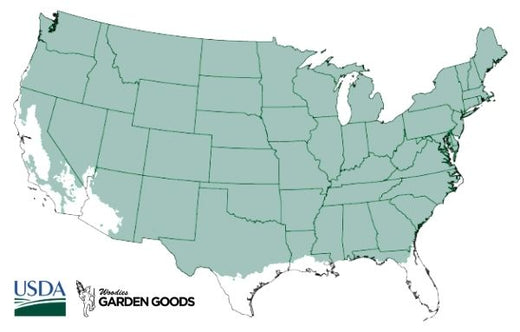
| Hardiness Zone: | 3-8 |
|---|---|
| Mature Height: | 8 to 12 inches |
| Mature Width: | 1 to 1.5 feet |
| Sunlight: | Partial shade to shade |
| Bloom Time / Color | Spring; small greenish-white flower |
| Soil Condition: | Rich, humusy, well-drained; consistently moist |
| Water Requirements: | Medium to medium-wet; do not let dry out |
| Wildlife Value | Spring interest; red fruits can be eaten by wildlife |
| Resistance (deer/disease/drought/etc.) | Deer may avoid, but not guaranteed; drought sensitive |
| Landscape Uses | Woodland gardens, shade beds, native plantings, slow groundcover, underplanting for deciduous trees |
How to Care for Goldenseal Plant
vBe sure to read our planting instructions to ensure healthy and happy Goldenseal Plants for years to come!
-v1770931972846.png?92x91)
How should I plant Goldenseal?
Plant Goldenseal in partial shade to shade where soil stays evenly moist and rich in organic matter. Dig a hole about twice as wide as the root mass and just as deep, set the plant so the crown sits at soil level, then backfill gently and water thoroughly to settle the soil around the roots. Goldenseal performs best in woodland-style beds amended with compost or leaf mold, where the texture stays loose and the moisture stays steady. Finish with a light mulch layer (shredded leaves are ideal) to keep roots cool and reduce moisture swings. Avoid hot, exposed spots and dry slopes unless you can reliably irrigate—Goldenseal is happiest in the kind of shaded soil that never bakes or crusts over.
-v1770931973744.png?89x84)
How often should I water Goldenseal after planting?
For the first 2–3 weeks, water every 2–3 days to keep the root zone evenly moist (not waterlogged). After that, shift to deep watering about once per week, increasing frequency during warm, dry weather or if your soil drains quickly. The goal is consistency—Goldenseal dislikes the “soak then drought” cycle that many shade beds experience under mature trees. Once established, continue watering during dry stretches, especially in summer when tree roots compete for moisture. If the top couple of inches of soil dry out, a slow soak helps keep growth steady and reduces stress that can thin the clump over time.
-v1770931974635.png?90x89)
When should I fertilize Goldenseal?
Fertilize lightly in early spring as new growth begins, or skip fertilizer and focus on organic soil-building. A thin top-dressing of compost or leaf mold is often the best “fertilizer” for Goldenseal because it feeds the soil, improves moisture retention, and mimics natural woodland conditions. Avoid heavy, high-nitrogen feeding, which can push soft growth in a plant that naturally prefers steady, moderate nutrition. In most home shade gardens, consistent moisture and an annual compost top-dress do more for Goldenseal than stronger fertilizer programs.

When and how should I prune Goldenseal?
Goldenseal doesn’t need traditional pruning. During the growing season, simply remove any damaged or yellowing leaves if you want a tidier look, and avoid disturbing the plant when it’s actively growing. In naturalized plantings, letting foliage age naturally is perfectly fine and often looks most authentic. In late fall or early spring, you can cut back old foliage and clean up debris around the clump to reduce hiding places for pests and refresh the bed. Keep the soil surface lightly mulched rather than heavily piled, so the crown stays protected but not smothered.