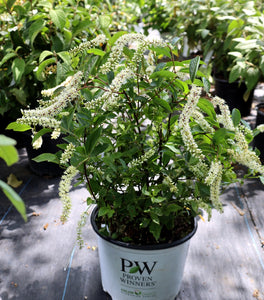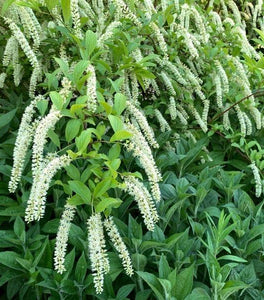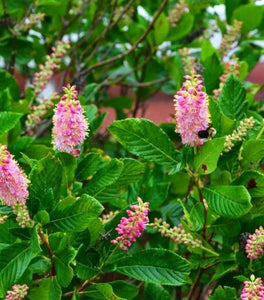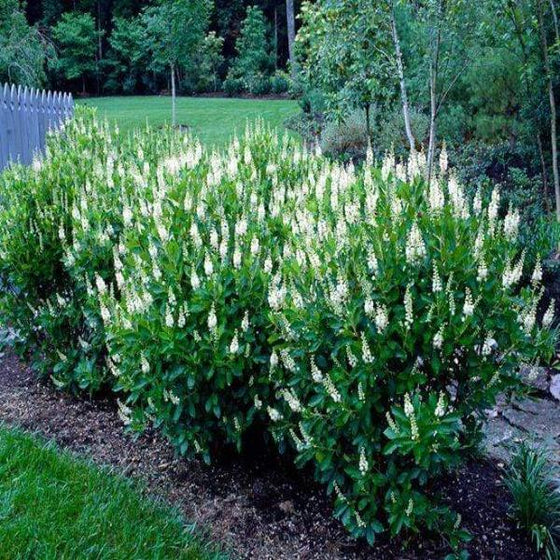
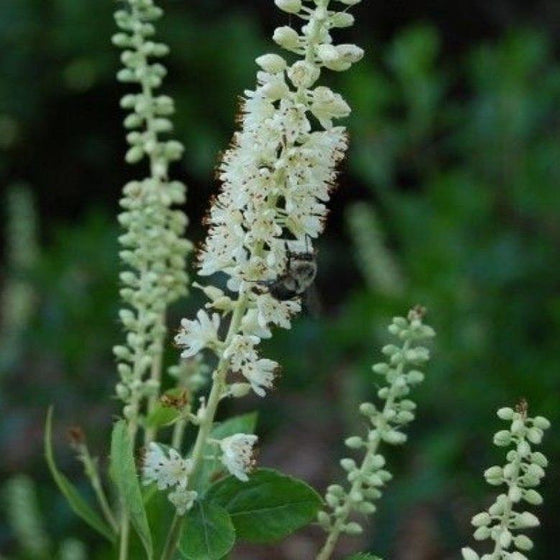
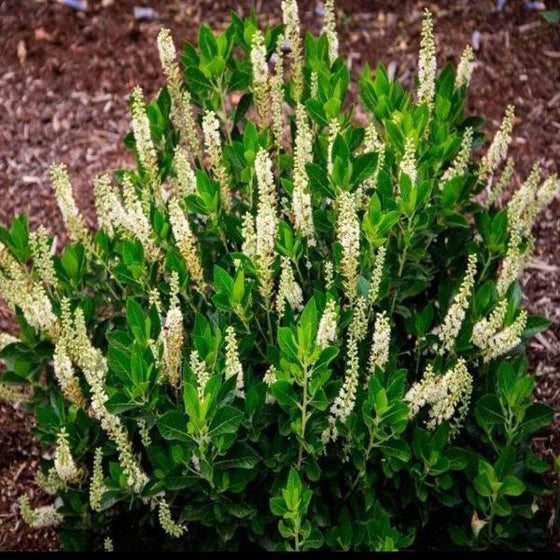


Images Depict Mature Plants
Sixteen Candles Summersweet
Clethra alnifolia 'Sixteen Candles'
Sixteen Candles is one of my favorite shrubs for the “summer gap” because it shows up right when you need it, with fragrant white blooms in July and August, pollinators working the flower spikes, and a compact habit that actually fits foundation beds and smaller shade borders. Give it moisture, give it a little sun, and it’ll make a damp, shady spot feel like a destination instead of a compromise.

15% OFF SITEWIDE SALE
Use Code 'PRIMETIME15' At Checkout
📦 Free shipping on orders over $99.
Delay shipping by leaving us a message at Checkout.
Share:



Sixteen Candles Summersweet Clethra For Fragrant White Blooms In Summer Shade
Fragrant white flower spikes that refresh the garden mid-summer
Sixteen Candles Summersweet blooms when the landscape often feels “all green and no fireworks.” In mid to late summer, it produces upright, creamy-white flower spikes that smell sweet and spicy in warm air. The blooms open along the spike over time, so you get weeks of fresh-looking flowers instead of a quick flush that fades overnight. It’s one of the most dependable ways to add real seasonal excitement to shade and part-shade beds in July and August.
This shrub rewards smart placement. Plant it near a walkway, patio, or porch where fragrance matters, and the flowers become part of the daily experience, not something you forget in the back of the yard. In mixed borders, the bright white blooms pop against darker greens and evergreens, giving you crisp contrast and a clean, vertical accent that looks polished without feeling formal.
A compact, tidy clethra that fits small gardens beautifully
Sixteen Candles was selected for its compact, dense growth, making it easy to use in real-world spaces. It forms a rounded, well-branched shrub that layers nicely in foundation beds, woodland borders, and perennial gardens without becoming a sprawling thicket. The foliage stays lush through the season, then often shifts to warm yellow tones in fall before dropping for winter rest.
It can also spread gently by suckers over time, a feature that gives you a naturalized look and fuller coverage. If you prefer a tighter footprint, those shoots are easy to remove at the base. Either way, the overall habit stays “garden-friendly”, neat enough for formal beds, but natural enough for native-inspired borders and rain garden edges.
Moist-soil friendly performance for rain gardens and tough spots
If you’ve got a spot that stays consistently damp, Sixteen Candles is one of the best-looking answers. Summersweet naturally thrives in moisture-retentive soils and tolerates conditions that challenge many flowering shrubs, including heavier ground when drainage is reasonable. That makes it a strong candidate for rain garden edges, low spots that don’t stay swampy, and irrigated beds where other shrubs struggle with wet feet.
It grows in full sun to part shade, but it’s especially valuable in part shade where summer bloom is harder to find. Give it consistent moisture while it establishes, then it settles into a low-fuss rhythm that keeps foliage lush and flowers coming reliably. A mulch ring helps stabilize moisture and temperature, and slightly acidic soil supports the best overall vigor and bloom performance.
Low-maintenance care with simple pruning that keeps blooms coming
Sixteen Candles is an easy shrub to live with because it blooms on new growth. That means pruning doesn’t have to be complicated or perfectly timed for flower buds. A light thinning to remove a few older stems at the base can keep the shrub fresh and encourage stronger new shoots that flower well. If you ever want to reduce size, it responds well to a moderate cutback and quickly regains a dense, bloom-ready shape.
Spacing is the other “easy win.” Give plants enough room for airflow and sunlight to reach the interior, and you’ll get a healthier shrub with fuller bloom spikes and fewer stress issues in summer heat. Whether you’re building a low hedge of fragrance or a natural drift along a woodland edge, this clethra delivers big seasonal payoff with a care routine that stays simple.
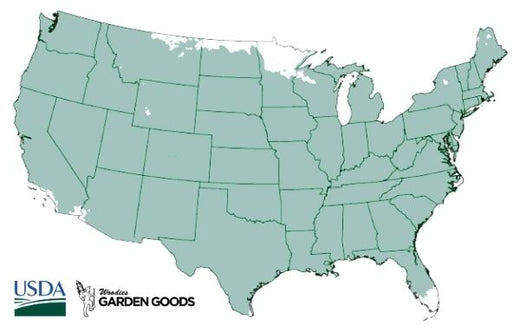
| Hardiness Zone: | 4-9 |
|---|---|
| Mature Height: | 3 to 5 Feet |
| Mature Width: | 3 to 4 Feet |
| Sunlight: | Full sun to part shade (shade tolerant with moisture) |
| Bloom Time / Color: | July to August; creamy white, very fragrant flower spikes |
| Soil Condition: | Moist, acidic to neutral, well-drained; tolerates wet/clay soils |
| Water Requirements: | Moderate to high; prefers consistent moisture |
| Wildlife Value: | Strong pollinator shrub; attracts bees and butterflies |
| Resistance (deer/disease/drought/etc.): | Generally deer resistant; good disease tolerance; drought tolerance improves once established |
| Landscape Uses: | Rain gardens, woodland borders, foundation beds, low hedges, naturalized drifts, pollinator gardens |
How to Care for Sixteen Candles Summersweet
Be sure to read our planting instructions to ensure a healthy and happy Sixteen Candles Summersweet for years to come!
-v1746281558899.png?92x91)
How should I plant Sixteen Candles Summersweet?
Plant Sixteen Candles Summersweet in spring or fall in soil that stays evenly moist but drains well. Dig a hole twice as wide as the root ball, set the shrub so the top of the root ball is level with the surrounding soil, backfill, and water deeply to settle the roots. Add a 2–3-inch mulch layer over the root zone to hold moisture, keeping it a few inches away from the stems. Choose a site with morning sun and afternoon shade if your summers run hot, or full sun if you can keep moisture consistent. This shrub shines at the edges of rain gardens and woodland borders, where the soil stays cooler and more evenly damp, and it looks best when it isn’t repeatedly allowed to dry out in year one.
-v1746281588471.png?89x84)
How often should I water Sixteen Candles Summersweet after planting?
Water thoroughly right after planting, then keep the root zone evenly moist through the first growing season. A deep soak once per week is a good baseline, increasing to 1–2 times per week during heat, drought, or in sandy soil. Water at the base of the plant so moisture goes to the roots and foliage stays cleaner. Once established, Sixteen Candles is more forgiving, but it still blooms best when summer moisture is consistent. Mulch and occasional deep watering during prolonged dry weather keep foliage lush, and help flower spikes stay fuller and more fragrant.
-v1746281614081.png?90x89)
When should I fertilize Sixteen Candles Summersweet?
Fertilize in early spring as new growth begins using a balanced slow-release shrub fertilizer, or top-dress with compost. Clethra often performs best in slightly acidic soil, so compost and organic matter are excellent choices to support steady growth and flowering without overfeeding. Avoid heavy late-season fertilizing, which can push tender growth at the wrong time. If the plant looks healthy and blooms well, a light spring feed plus good moisture management is usually all it needs.

When and how should I prune Sixteen Candles Summersweet?
Prune in late winter or early spring before new growth begins to shape and thin the shrub. Remove any dead wood, then selectively take out a few older stems at the base to improve airflow and encourage fresh, vigorous shoots that flower well. Because Sixteen Candles blooms on new growth, pruning won’t eliminate flowers when done at the right time. If it sends up suckers outside the space you want, remove them at the base to maintain a neat, compact footprint.