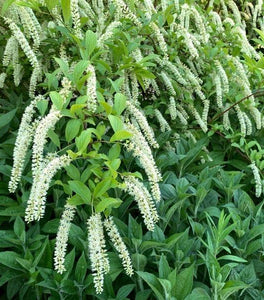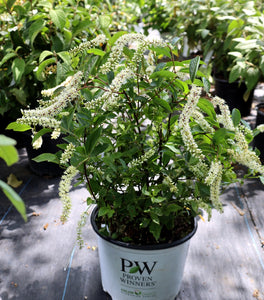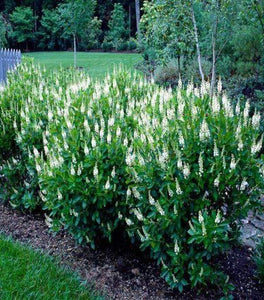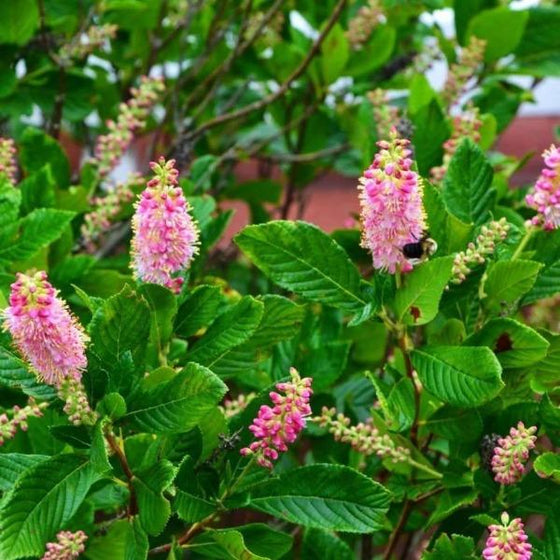

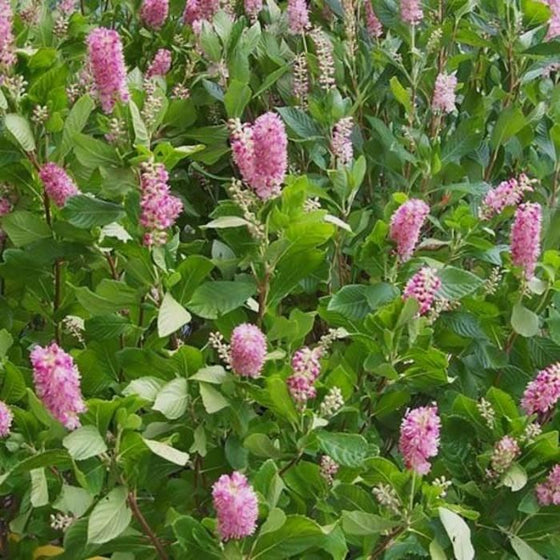
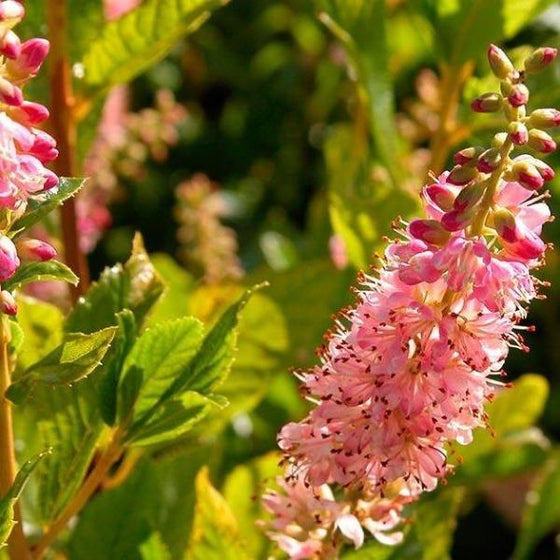


Images Depict Mature Plants
Ruby Spice Summersweet
Clethra alnifolia 'Ruby Spice'
Ruby Spice is one of my favorite “late-summer heroes” because it does two things that are hard to find together: it blooms when so many shrubs are finished, and it smells incredible while it’s doing it. Plant it in a moist border or a rain-garden edge, give it a little sun, and you’ll get deep pink flower spikes that pull pollinators in for weeks.

20% OFF SITEWIDE SALE
Use Code 'OCTOBER20' At Checkout
📦 Free shipping on orders over $99.
Delay shipping by leaving us a message at Checkout.
Share:


Ruby Spice Summersweet Clethra For Fragrant Pink Blooms In Summer Shade
Fragrant Deep Pink Blooms When Most Shrubs Are Done
Ruby Spice Summersweet is the shrub you plant for that “late summer lull” when spring bloomers are long finished, and you’re craving fresh color. It produces upright spikes of deep pink, sweetly fragrant flowers in mid to late summer, filling the garden with a clean, honeyed scent that’s noticeable as you walk by. The bloom display is generous and long-lasting, which makes Ruby Spice feel like a true seasonal event, not a quick cameo.
This is a perfect shrub for patios, walkways, and seating areas because the fragrance and flower spikes are best enjoyed up close. In mixed borders, the pink blooms pop against evergreens and dark foliage plants, and the upright flower shape adds a crisp vertical accent without looking formal. If you want shade to feel alive in summer, Ruby Spice is one of the most dependable ways to get there.
A Shade-Loving Shrub That Thrives In Moist Soil
Clethra is famous for handling the conditions that frustrate other flowering shrubs, and Ruby Spice is no exception. It’s happy in part shade and can even bloom well in brighter shade, making it a go-to for woodland edges and foundation beds where sunlight is limited. It also loves consistently moist soil, an ideal fit near downspouts (with drainage), along rain-garden edges, and in beds that stay evenly damp through the season.
Full sun is absolutely workable, especially if you can keep moisture consistent, but this plant shines in the “real-life” spots where other shrubs struggle: the not-too-dry, not-too-hot areas that still deserve color. Think of Ruby Spice as your answer for fragrance and bloom in those moisture-retentive beds where you want something better than “just green.”
Pollinator Magnet With A Naturally Low-Fuss Habit
When Ruby Spice is in bloom, pollinators show up. Bees, butterflies, and hummingbirds are drawn to the fragrant flower spikes, adding movement and life to the garden at a time of year when pollinator resources can dip. It’s a simple way to make your landscape more habitat-friendly without turning the planting into a maintenance project.
The shrub forms a dense, rounded habit and can spread slowly by suckers over time, which is a feature if you want it to naturalize into a fuller drift. If you prefer a tighter footprint, occasional thinning keeps the shape controlled. Either way, Ruby Spice stays easy: give it moisture, let it settle in, and enjoy a shrub that delivers fragrance, color, and pollinator energy with minimal fuss.
Perfect For Rain Gardens, Woodland Borders, And Natural Hedges
Ruby Spice is incredibly versatile in design. Use it as a specimen shrub where fragrance matters most, or plant several for a loose, natural hedge that blooms in summer when most hedges are just green walls. It’s also a standout in rain-garden style plantings because it tolerates moisture and still looks polished, with lush foliage, tidy branching, and upright flower spikes that read intentional.
Spacing is where you control the final look. Give each plant room to develop into a full, dense shrub, or plant a bit closer to knit a hedge sooner. Because this is a long-lived shrub that improves with time, a little planning up front pays off for years. If you want a fragrant, pink-blooming shrub that actually likes moisture and shade, Ruby Spice is a confident choice.
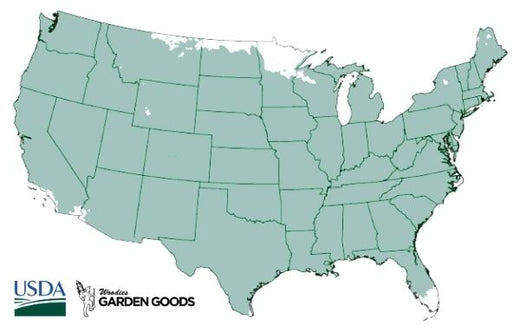
| Hardiness Zone: | 4-9 |
|---|---|
| Mature Height: | 4 to 6 Feet |
| Mature Width: | 4 to 6 Feet |
| Sunlight: | Full sun to part shade (more shade tolerated; best blooms with some sun) |
| Bloom Time / Color: | Mid to late summer; deep pink, fragrant flower spikes |
| Soil Condition: | Moist, acidic to neutral, well-drained; tolerates wet soils |
| Water Requirements: | Moderate to high; keep evenly moist while establishing |
| Wildlife Value: | Excellent pollinator shrub (bees, butterflies, hummingbirds) |
| Resistance (deer/disease/drought/etc.): | Generally deer resistant; good disease/insect resistance; drought tolerance improves once established |
| Landscape Uses: | Rain gardens, woodland borders, mixed shrub beds, fragrant hedge, foundation plantings, pollinator gardens |
How to Care for Ruby Spice Summersweet
Be sure to read our planting instructions to ensure a healthy and happy Ruby Spice Summersweet for years to come!
-v1773081215422.png?92x91)
How should I plant Ruby Spice Summersweet?
Plant Ruby Spice Summersweet in spring or fall in moist, well-drained soil. Dig a hole about twice as wide as the root ball and set the shrub so the top of the root ball is level with the surrounding soil. Backfill, water deeply, and apply a 2–3-inch mulch layer to hold moisture, keeping it a few inches away from the stems. Choose a spot where you can provide consistent moisture, especially in year one. This shrub is a natural fit near rain-garden edges and in lightly shaded borders, and it rewards you with denser growth and stronger bloom when it’s not allowed to dry out repeatedly.

How often should I water Ruby Spice Summersweet after planting?
Water thoroughly right after planting, then keep the root zone evenly moist through the first growing season. A deep soak once per week is a good baseline, increasing to 1–2 times per week during heat, drought, or in sandy soils that dry quickly. Water at the base of the plant so foliage stays cleaner, and the root zone gets the benefit. After establishment, Ruby Spice is more forgiving, but it still performs best with consistent moisture—especially during summer when it’s setting buds and blooming. Mulch and regular deep watering during dry spells are the easiest ways to keep the shrub lush and flowering heavily.

When should I fertilize Ruby Spice Summersweet?
Fertilize in early spring as new growth begins using a balanced slow-release shrub fertilizer, or top-dress with compost. If your soil tends to be alkaline, incorporating organic matter and using an acid-loving fertilizer can help Clethra perform at its best, especially for overall vigor and bloom production. Avoid heavy late-season fertilizing, which can push tender growth at the wrong time. A modest spring feed, plus consistent moisture and compost, typically produces the healthiest shrubs and the most satisfying bloom show.

When and how should I prune Ruby Spice Summersweet?
Prune Ruby Spice Summersweet right after flowering if you need to shape it, because it sets next year’s flower buds on the current season’s growth. Focus on light shaping and thinning: remove a few older stems at the base to improve airflow and encourage fresh, vigorous shoots. If the shrub spreads by suckers beyond the area you want, simply remove those shoots at the base or spade-edge the planting line. With occasional thinning and a consistent moisture routine, Ruby Spice stays dense, tidy, and bloom-forward without requiring constant pruning.