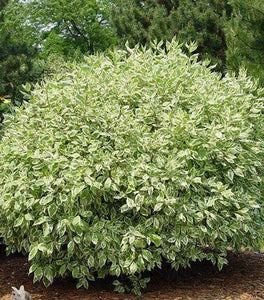
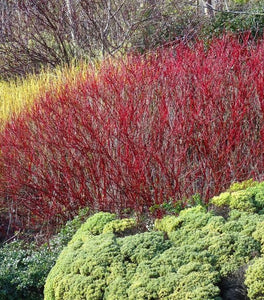
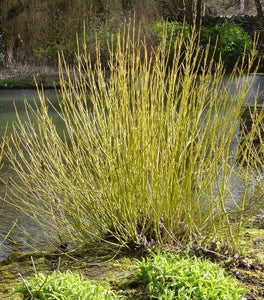
Images Depict Mature Plants
Arctic Fire® Red Twig Dogwood
Cornus stolonifera 'Farrow' PP18523
If you want a shrub that earns its spot in January, Arctic Fire® is it. It's compact enough for real-world beds, but bold enough to glow against evergreens and snow with those red winter stems. Plant it where you’ll see it every day, keep it watered while it establishes, and do that simple renewal pruning so the youngest stems keep stealing the show.

Take 15% OFF SITEWIDE
Use Coupon Code: MADNESS15
📦 Free shipping on orders over $99.
Delay shipping by leaving us a message at Checkout.
Share:

Compact Red Twig Dogwood For Brilliant Winter Stems And Easy Borders
Vivid red winter stems that light up the cold-season landscape
Arctic Fire® Red Twig Dogwood is the shrub you plant for winter, because when everything else is gray, its deep red stems look like they’re catching sunlight from the inside. The color shows best after leaf drop, turning borders, foundation beds, and mixed shrub plantings into a true four-season design. Unlike traditional red twig dogwoods that can get large fast, Arctic Fire® stays compact, so you get the same winter impact without sacrificing space.
It’s also a “designer-friendly” plant because it looks intentional from every angle. Use it as a bold accent in a small yard, repeat it along a walkway for a rhythmic winter line, or mass it in a wider bed for that classic snowy-backdrop effect. If you want winter interest that’s easy to see (and easy to love), Arctic Fire® delivers with reliable, high-contrast color.
Compact size that fits small yards, tight beds, and modern landscapes
Arctic Fire® is a smaller, more manageable version of red twig dogwood, typically reaching 3–5 feet tall and wide. That compact footprint makes it easier to place near patios, in front of evergreens, or along property lines where you want structure without a sprawling shrub. It also layers beautifully, tall enough to be a “middle story” shrub, but not so big that it blocks windows or crowds perennials.
In summer, you’ll get clean green foliage and a tidy, rounded habit; in fall, leaves can shift toward warm tones before dropping to reveal the winter stems. This is one of those shrubs that earns its keep in every season, which makes it a smart choice for shoppers building a low-maintenance landscape that still feels curated.
Tough, adaptable performance, especially where soil stays moist
Red twig dogwoods are known for handling moisture better than many shrubs, and Arctic Fire® is a strong choice for areas with consistently moist soil. It’s a natural fit for rain-garden edges, low spots that don’t stay swampy, and beds where irrigation keeps things evenly moist. Full sun produces the densest growth and typically the strongest stem color, while part shade still works well, especially in warmer climates.
Once established, it’s also reasonably resilient through typical weather swings. The biggest keys to success are simple: decent drainage (avoid standing water for long periods), consistent moisture in year one, and a mulch ring to reduce stress. If you’ve got a spot that’s hard on fussier shrubs, Arctic Fire® often feels like the solution.
Easy pruning options that keep stems bright and the plant looking fresh
The brightest red stems come from young growth, so pruning isn’t a chore; it’s the secret to the best winter show. You can choose a simple “rule of thirds” approach (remove about one-third of the oldest stems at ground level each year) to keep the plant full while constantly renewing color. Or, if you prefer a hard reset, you can cut the plant back in late winter to encourage a flush of fresh stems (this sacrifices some flowers/berries that year, but maximizes stem color).
Either way, Arctic Fire® stays easy to manage because it’s compact and responds well to renewal pruning. Add the fact that it’s a strong candidate for massing, and you’ve got a winter-interest shrub that looks better with time, especially when you give it the quick annual refresh that keeps those stems glowing.
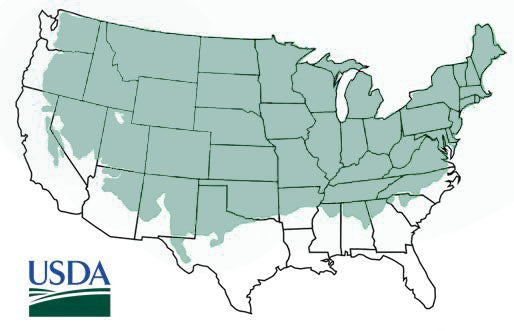
| Hardiness Zone: | 2-7 |
|---|---|
| Mature Height: | 3 to 5 Feet |
| Mature Width: | 3 to 5 Feet |
| Sunlight: | Full sun to part shade |
| Soil Condition: | Adaptable; prefers moist, well-drained soil; tolerates wetter sites |
| Water Requirements: | Moderate; consistent moisture while establishing |
| Bloom Time / Color | Late spring; small white flowers (followed by berries) |
| Wildlife Value | Flowers support pollinators; berries and cover support birds |
| Resistance (deer/disease/drought/etc.) | Cold hardy; drought tolerance improves once established; deer browsing can occur (rarely) |
| Landscape Uses | Winter stem color, borders, mass plantings, rain-garden edges, foundation beds, cut stems for décor |
How to Care for Arctic Fire® Red Twig Dogwood
Be sure to read our planting instructions to ensure a healthy and happy Arctic Fire® Red Twig Dogwood for years to come!
-v1773074308415.png?92x91)
How should I plant Arctic Fire® Red Twig Dogwood?
Plant Arctic Fire® Red Twig Dogwood in full sun to part shade in soil that drains well but stays evenly moist. Dig a hole 2–3 times wider than the root ball, set the shrub so the top of the root ball is level with the surrounding soil, backfill, and water deeply. Add a 2–3-inch mulch ring around the root zone, keeping the mulch a few inches away from the stems. Choose a location where you’ll actually see the winter stems—near an entry, along a drive, or in front of evergreens for contrast. If you’re planting multiples, lay them out first so spacing is consistent and the finished planting looks intentional from day one.
-v1773074342093.png?89x84)
How often should I water Arctic Fire® Red Twig Dogwood after planting?
Water deeply right after planting, then keep the root zone evenly moist through the first growing season. In most landscapes, that means a deep soak about once per week, increasing to 1–2 times per week during hot, dry stretches or in fast-draining soil. Focus water at the base of the plant rather than overhead watering. After establishment, Arctic Fire® is more tolerant of short dry spells, but it looks best with consistent moisture—especially during summer heat. Mulch helps reduce moisture swings, which supports stronger growth and a fuller shrub that shows better stem color in winter.
-v1773074361026.png?90x89)
When should I fertilize Arctic Fire® Red Twig Dogwood?
Fertilize in early spring as new growth begins using a balanced slow-release shrub fertilizer, or top-dress with compost. Dogwoods don’t need heavy feeding to perform well, and moderate fertility helps maintain steady growth without creating weak, overly lush stems. Avoid heavy late-season fertilizing, which can encourage tender growth at the wrong time. If the shrub is growing well and leaf color looks healthy, a compost refresh and good watering habits often provide everything it needs.

When and how should I prune Arctic Fire® Red Twig Dogwood?
Prune in late winter while the shrub is dormant to keep the brightest winter stems coming. The easiest method is to remove about one-third of the oldest, thickest stems to the ground each year. This keeps the shrub full while constantly renewing younger stems with stronger red color. If you want maximum stem color and don’t mind sacrificing flowers and berries for the season, you can cut the whole shrub back hard in late winter to encourage vigorous new shoots. Either way, keep pruning focused on renewal—young stems are the “winter color engine.”