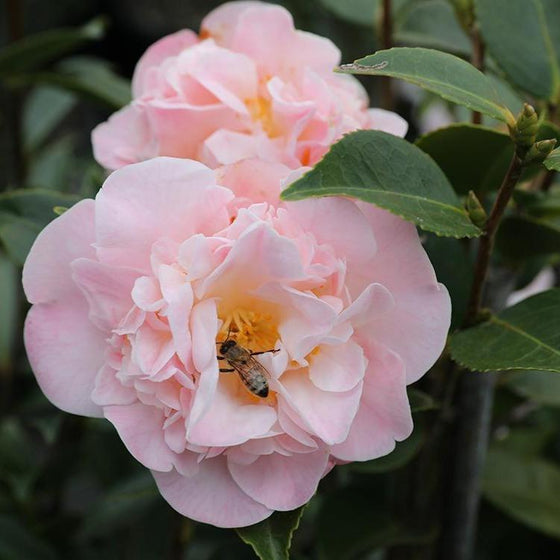
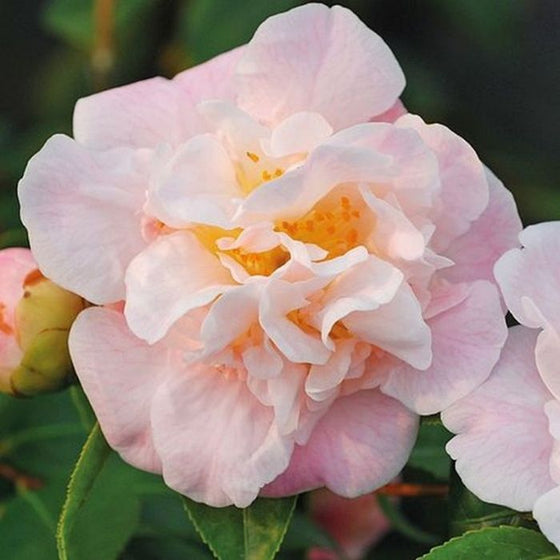


Images Depict Mature Plants
High Fragrance Camellia
Theaceae Camellia lutchuensis hybrid 'High Fragrance'
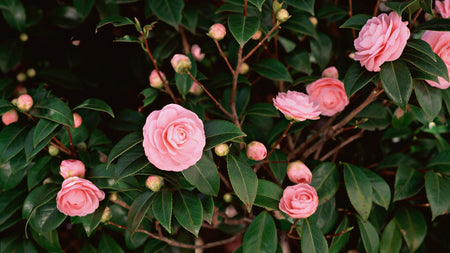
I love High Fragrance Camellia because it gives you something most shrubs can’t: real perfume outdoors when the garden is still half-asleep, plus glossy evergreen leaves that keep beds looking finished all year. Put it in bright part shade, keep the soil well-drained and slightly acidic, and water it well while it’s getting established, then let it do what it does best: bloom late winter into early spring with soft pink flowers that make you slow down and breathe it in.

20% Off Sitewide Sale!
Use Code 'ENDOFSEASON20' At Checkout
📦 Free shipping on orders over $99.
Delay shipping by leaving us a message at Checkout.
Share:

High Fragrance Camellia For Rare Perfume, Soft Pink Blooms, And Evergreen Beauty In Part Shade
Sweetly Fragrant Pink Blooms When The Garden Needs It Most
High Fragrance Camellia is the cool-season upgrade for gardeners who want more than “just flowers.” This variety is celebrated for its rare, sweet fragrance—something you can genuinely notice outdoors, not just if you press your nose into a bloom. The flowers open in soft pink with deeper pink highlights and a semi-double, peony-like look that feels romantic and refined. Best of all, it blooms from late winter through early spring, bringing color and scent to the landscape when most shrubs are still sleeping.
To get the full experience, plant it where you’ll pass by often: along the front walk, near the porch, or beside a patio seating area. Fragrance carries best on mild days with a touch of humidity and low wind, so a protected spot near an entry, courtyard, or fence line is ideal. This camellia also makes a lovely cut-flower moment—snip a few blooms for a small vase and the scent turns “late winter” into “early spring” indoors. It’s the kind of plant that makes the season feel intentional.
Glossy Evergreen Foliage That Keeps Landscapes Looking Finished Year-Round
Even when it’s not blooming, High Fragrance Camellia earns its space with deep green, glossy evergreen foliage. That year-round structure is exactly why broadleaf evergreens matter in good landscape design: they hold foundation beds together, anchor mixed borders, and keep shaded areas looking cared-for through winter. In summer, the foliage becomes a clean backdrop for perennials and annual color. In fall and winter, it’s the steady “green architecture” that makes the whole garden look more complete.
The habit is dense and nicely branched, so it stays full with minimal intervention. Use it as a specimen shrub to create an elegant focal point in part shade, repeat it for rhythm along a walkway, or plant several to form a flowering evergreen hedge that’s far more interesting than a standard screen. It can also be trained as an espalier against a wall or fence for vertical evergreen coverage. With light shaping right after bloom and occasional thinning to improve airflow, it stays polished without becoming a high-maintenance project.
Part Sun To Shade Success With Simple, Proven Care
High Fragrance Camellia performs best in part sun to shade—think gentle morning sun with protection from hot afternoon exposure. That light balance supports healthier foliage and helps flowers stay fresher longer instead of fading or spotting in the heat. In the colder end of its range, choosing a site that’s sheltered from drying winter winds can also help protect buds and improve bloom consistency from year to year. If you can offer bright, filtered light and a bit of protection, you’re setting this camellia up for long-term success.
Drainage is the make-or-break detail. Camellias want evenly moist soil that never becomes waterlogged, along with a slightly acidic soil profile and plenty of organic matter. Build in compost, avoid low spots that stay wet after rain, and mulch 2–3 inches to stabilize moisture and temperature. Water consistently during the first growing season while roots expand beyond the original container size, then transition to deep watering during extended heat or drought. Add a spring feeding designed for acid-loving shrubs, and you’ve got a routine that’s easy, repeatable, and rewarding.
Elegant Hedges And Containers With Deer-Resistant Benefits
If you want a flowering evergreen hedge that feels upscale, High Fragrance Camellia is a standout. It has the density needed to define space and soften views, plus the bonus of fragrant blooms when most hedges offer only foliage. The leaves are thick and leathery, and the plant is commonly considered deer-resistant (not deer-proof), which can help it hold its shape in many landscapes with browsing pressure. One line of camellias can deliver privacy, evergreen polish, and a winter-to-spring bloom season that feels like a reward.
It also performs beautifully in large containers—especially near patios and entryways where the fragrance can be enjoyed up close. Choose a pot with excellent drainage, use an acidic mix designed for camellias or azaleas, and keep moisture steady (containers dry out faster than in-ground plantings). A mulch layer helps, and a spring feeding supports foliage and bloom. In cooler zones, moving the pot to a sheltered location during harsh snaps can protect buds. Whether in the ground or in a statement planter, this camellia delivers a rare combination: evergreen structure, seasonal color, and real perfume.
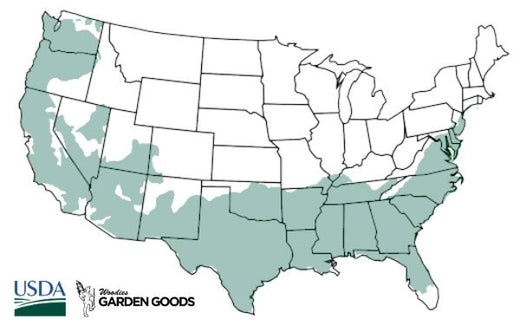
| Hardiness Zone: | 7-9 |
|---|---|
| Mature Height: | 5 to 8 feet |
| Mature Width: | 5 to 8 Feet |
| Sunlight: | Part sun to shade (morning sun, afternoon protection) |
| Bloom Time / Color: | Late winter to early spring; pale pink with deeper pink highlights |
| Soil Condition: | Well-drained; slightly acidic; organic-rich |
| Water Requirements: | Moderate; water well until established |
| Wildlife Value: | Early-season pollinator interest when in bloom |
| Resistance (deer/disease/drought/etc.): | Deer resistant (not deer-proof); best with good drainage |
| Landscape Uses: | Specimen, foundation beds, evergreen hedge/screen, espalier, mixed borders, containers |
How to Care for High Fragrance Camellia
Before you buy a Camellia High Fragrance plant, make sure to read about the recommended care instructions to keep this plant healthy and thriving.

How should I plant High Fragrance Camellia?
Choose a site with part sun to shade—morning sun with afternoon shade is ideal—and confirm the soil drains well. Dig a hole about twice as wide as the root ball and no deeper, then set the plant so the top of the root ball sits level with (or slightly above) the surrounding soil. Backfill, firm gently, and water deeply to settle the soil around the roots. Finish with a 2–3 inch mulch layer over the root zone to stabilize moisture and temperature, keeping mulch a few inches away from the trunk. If your soil is heavy, mix in organic matter and consider planting slightly high to improve drainage. Good drainage plus consistent moisture during establishment is the fastest path to healthy foliage and reliable blooms.

How often should I water High Fragrance Camellia after planting?
Water thoroughly right after planting, then water deeply once or twice per week during the first growing season, adjusting for rainfall and heat. The goal is evenly moist soil—not soggy soil—so roots expand outward beyond the original root ball. A slow soak at the base is ideal because it drives water deeper and helps build a stronger root system. After the first year, water during extended dry spells rather than on a strict calendar. Check the soil a few inches down; if it feels dry, water deeply. Consistent moisture in late summer and fall can be especially helpful because that’s when many camellias are developing buds for the next bloom season.

When should I fertilize High Fragrance Camellia?
Fertilize in early spring just before new growth begins, using a slow-release fertilizer formulated for camellias or other acid-loving plants. Apply around the drip line rather than against the trunk, then water in well so nutrients move into the root zone and feed steady growth. If you prefer a gentle, soil-first approach, top-dress with compost in spring and refresh mulch to improve soil structure over time. Avoid heavy feeding late in the season, and don’t over-fertilize—too much fertilizer can push leafy growth at the expense of flowers and can stress the plant.

When and how should I prune High Fragrance Camellia?
Prune right after flowering finishes so you don’t remove developing buds for the next bloom season. Start by removing dead, damaged, or crossing branches, then thin lightly to improve airflow and reduce crowding. Use clean, sharp pruners and make selective cuts rather than shearing. For shaping, shorten a few longer shoots to refine the outline while preserving a natural form. If you’re growing it as a hedge, do one thoughtful trim after bloom and then stop—camellias set buds later, and a late-season trim can remove next season’s flowers.