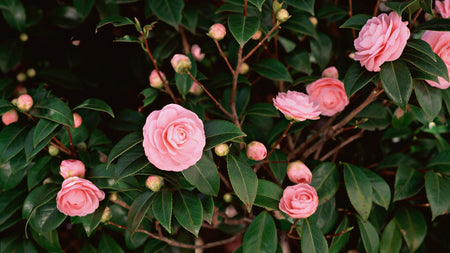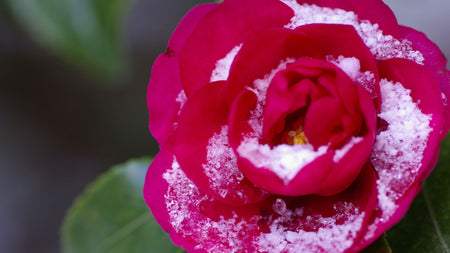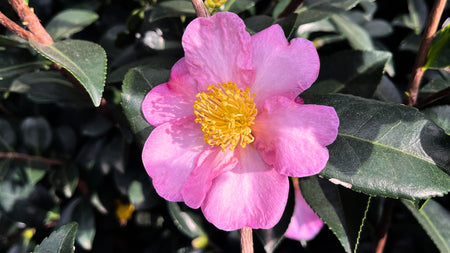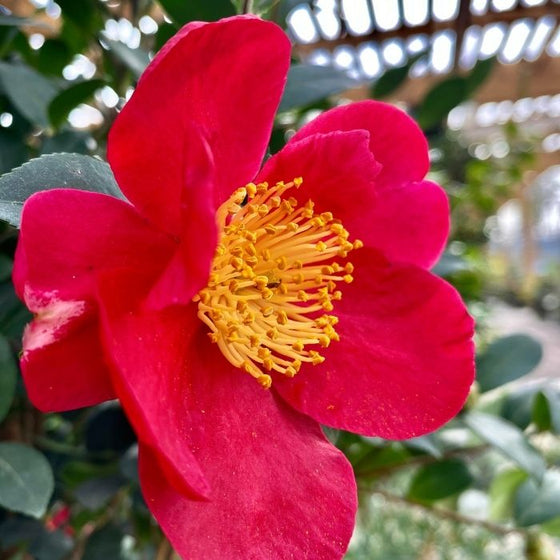


Images Depict Mature Plants
Yuletide Camellia
Camellia sasanqua 'Yuletide'
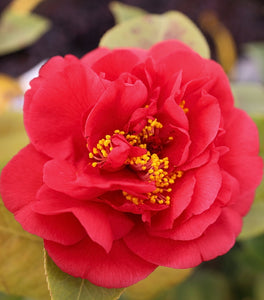
Yuletide is the camellia I reach for when someone wants winter color that’s impossible to miss—those brilliant red single blooms with yellow centers look like they were designed for the season. Give it well-drained soil, keep it watered its first year, and tuck it into part sun to part shade, and it becomes a glossy evergreen you can use as a hedge, a focal point, or a “by-the-door” shrub you’ll love seeing every day.

20% Off Sitewide Sale!
Use Code 'ENDOFSEASON20' At Checkout
📦 Free shipping on orders over $99.
Delay shipping by leaving us a message at Checkout.
Share:Recommended Add-Ons


Yuletide Camellia For Brilliant Red Winter Blooms, Glossy Evergreen Foliage, And A High-Impact Holiday-Season Hedge
Brilliant Red Blooms That Light Up Late Fall Through Winter
Yuletide Camellia is famous for one unforgettable look: vivid red, single flowers with bright yellow stamens—like little holiday lanterns tucked into glossy green foliage. Bloom season typically runs from late fall through winter, which makes this shrub feel like a cheat code for color when most landscapes have already clocked out. Each bloom is simple, bold, and high-contrast, so it reads beautifully from the street and still looks stunning up close.
This is the camellia you plant where you’ll see it in cool weather—near the front walk, by the porch, along a driveway curve, or outside a window you pass daily. In a mixed border, it bridges the gap between autumn perennials and winter evergreens, giving your garden that “still alive and blooming” feeling right when you want it most.
Evergreen Structure That Keeps Beds Looking Finished All Year
Even when it’s not flowering, Yuletide earns its space with dense, dark green, evergreen foliage that looks polished in every season. That year-round structure anchors foundation plantings and adds depth to part-sun beds where deciduous shrubs can leave winter gaps. It’s also a gorgeous backdrop for spring bulbs, shade perennials, and seasonal annual color—your other plants look better because Yuletide is standing there, holding the scene together.
Because the foliage is thick and leathery, Yuletide is often considered deer-resistant (not deer-proof). It’s the kind of evergreen that looks upscale without demanding constant attention, and it’s a smart way to create a four-season “framework” while still getting a real bloom season when the garden is quiet.
A Natural Hedge Plant That Flowers Instead Of Just Screening
Yuletide Camellia isn’t just pretty—it’s useful. With its densely branched habit and substantial mature size, it makes a strong evergreen hedge or screen that still feels garden-forward. Plant it in a line, and you get year-round coverage, then a burst of red blooms that turns your hedge into a seasonal event. It’s a softer, more elegant alternative to “all green, no flowers” screening plants.
It also works beautifully as a specimen shrub—one statement plant that does double duty as evergreen structure and winter color. Whether you’re framing an entry, defining a property edge, or building privacy along a patio, Yuletide gives you a purposeful planting that looks intentional (and not just functional).
Simple Care That Rewards You With More Blooms And Better Foliage
Yuletide Camellia performs best in part sun to part shade, especially in locations with gentle morning light and some protection from afternoon sun. Like most camellias, it thrives in well-drained soil—roots want consistent moisture, but they do not want to sit wet. If your soil holds water, improving drainage is the single best “upgrade” you can make for long-term success.
Water well until established, then shift to deep watering during extended dry spells. A 2–3-inch mulch layer helps keep moisture even and reduces temperature swings, supporting healthier roots and better bud development. Keep pruning simple and well-timed (right after bloom), and you’ll have a glossy evergreen that blooms reliably and looks refined year after year.
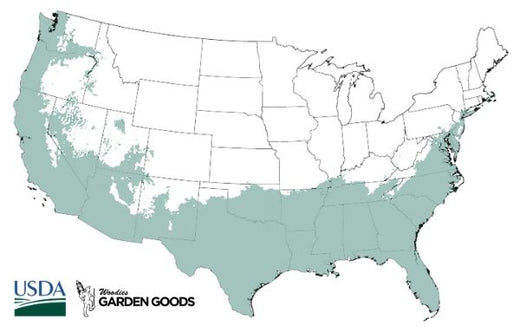
| Hardiness Zone: | 7-10 |
|---|---|
| Mature Height: | 8-10 feet |
| Mature Width: | 6-8 feet |
| Sunlight: | Part Sun to Part Shade |
| Bloom Time / Color: | Late fall through winter; brilliant red single flowers |
| Soil Condition: | Any well-drained soil (prefers slightly acidic, organic-rich) |
| Water Requirements: | Water well until established |
| Wildlife Value: | Pollinator interest when in bloom |
| Resistance (deer/disease/drought/etc.): | Deer resistant (not deer-proof); drought tolerant once established |
| Landscape Uses: | Hedge/screen, foundation beds, specimen focal point, mixed borders, espalier, large containers |
How to Care for Yuletide Camellia
Be sure to read our planting instructions to ensure a healthy and happy Camellia Yuletide for years to come!

How should I plant Yuletide Camellia?
Plant Yuletide Camellia in a site with well-drained soil and part sun to part shade. Dig a hole about twice as wide as the root ball and no deeper, then set the plant so the top of the root ball is level with (or slightly above) the surrounding soil. Backfill, firm gently, and water deeply to settle the soil around the roots. Add a 2–3-inch mulch layer over the root zone to stabilize moisture and temperature, keeping it a few inches away from the trunk. If your soil is heavy, improve drainage with organic matter and avoid low spots where water collects after rain. Drainage plus consistent early watering is the fastest path to strong roots and better blooming.

How often should I water Yuletide Camellia after planting?
Water thoroughly right after planting, then water deeply once or twice per week during the first growing season, adjusting for rainfall and heat. The goal is evenly moist soil—not soggy soil—so roots expand beyond the original root ball. A slow soak at the base (drip or soaker hose) is ideal for deeper rooting. After the first year, water during extended dry spells rather than on a strict schedule. Check soil a few inches down; if it feels dry, water deeply. Mulch helps reduce the wet/dry swings that can stress camellias and supports steadier bud development.

When should I fertilize Yuletide Camellia?
Fertilize in early spring, using a slow-release fertilizer formulated for camellias, azaleas, or other acid-loving shrubs. Apply around the drip line rather than against the trunk, then water in well so nutrients move into the active root zone and support healthy growth. If you prefer a gentler approach, top-dress with compost in spring and refresh mulch to improve soil structure over time. Avoid heavy fertilizing late in the season, and don’t overdo nitrogen—steady, balanced feeding helps foliage and flowers without pushing weak growth.

When and how should I prune Yuletide Camellia?
Prune Yuletide Camellia right after its blooming period so you don’t remove developing buds for next season. Start by removing dead, damaged, or crossing branches, then thin lightly to improve airflow and reduce crowding inside the plant. For shaping, use selective cuts rather than hard shearing to keep a refined, natural form. If you’re growing a hedge, do one thoughtful trim after bloom and then stop—late-season pruning can reduce flowering by removing buds that are forming for the next cool-season display.