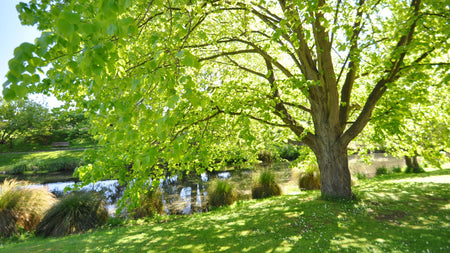
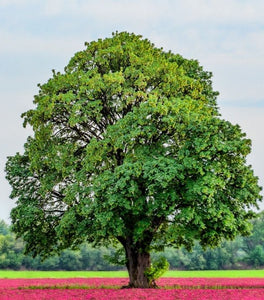
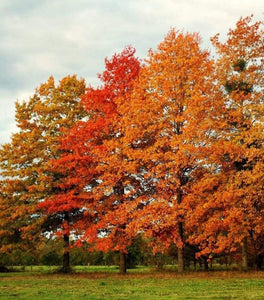
Images Depict Mature Plants
Willow Oak Tree
Quercus phellos
Willow Oak is a great choice when you want a big native shade tree but do not want something that feels coarse or heavy in the landscape. The willow-like leaves give it a more refined look than most people expect from an oak, and the faster growth means it starts making a difference in the yard sooner. For larger properties where a tree should bring shade, beauty, and long-term value, this is a really smart one to plant.

15% OFF WITH CODE PLANTING15
Save 15% Off Your Entire Order! Limited time.
📦 Free shipping on orders over $99.
Delay shipping by leaving us a message at Checkout.
Share:


A Fast-Growing Oak with Graceful Leaves and Lasting Shade
A Native Oak with a More Refined Look
Willow Oak is a standout shade tree for homeowners who want the strength and longevity of an oak with a softer, finer-textured appearance. Its narrow willow-like leaves give it a lighter, more graceful look than many other oaks, which makes it especially attractive in residential landscapes where a large tree should feel elegant as well as substantial.
This is one of the reasons Willow Oak has such broad appeal. It offers the durability and long-term value people expect from an oak, but with a cleaner, more streamlined look that feels right at home in both traditional and more polished landscape designs.
Fast Growth and Strong Shade Value
Willow Oak is widely appreciated for its relatively fast growth, especially for an oak. That makes it a smart choice for homeowners who want a tree that will begin making a real visual and practical impact sooner rather than later. Over time, it develops into a broad, dependable shade tree that can cool lawns, define outdoor spaces, and add long-term presence to the property.
For larger yards, that shade value becomes one of the tree’s biggest selling points. It is the kind of tree that can transform open space into a more comfortable, established landscape while still offering the deep-rooted strength and permanence associated with oaks.
Distinctive Foliage with Seasonal Color
One of Willow Oak's most memorable features is its foliage. The leaves are long, narrow, and smooth-edged, creating a finer canopy texture than homeowners might expect from an oak tree. Through spring and summer, the foliage stays a handsome, bright to deep green, giving the tree a clean and polished look.
In fall, the color shifts into warm shades of yellow, bronze, and russet, adding another season of beauty before leaf drop. That transition gives Willow Oak more ornamental value than a simple green shade tree and helps it earn a place in landscapes that prioritize seasonal interest as well as function.
An Excellent Tree for Lawns, Streets, and Large Landscapes
Willow Oak is especially effective in open lawns, parks, larger residential properties, and street-tree style plantings where its mature size and broad canopy can be fully appreciated. It develops a handsome upright form when young and matures into a rounded to oval shade tree that feels balanced and graceful in the landscape.
Because of that habit, it works beautifully as a specimen tree where it has room to grow into its natural shape. It is also a strong option for homeowners who want a native tree with a more elegant texture than many other large shade trees.
Wildlife Value and Long-Term Landscape Strength
Like many native oaks, Willow Oak provides important wildlife habitat in the landscape. Its acorns support birds and other wildlife, and the tree itself contributes structure, habitat, and ecological richness as it matures. That makes it a meaningful choice for homeowners who want beauty and environmental value from the same planting.
For gardeners seeking a fast-growing native shade tree with graceful foliage, dependable performance, and long-term landscape impact, Willow Oak is an excellent choice. It offers the best of what many homeowners want from a large tree: beauty, shade, toughness, and permanence.
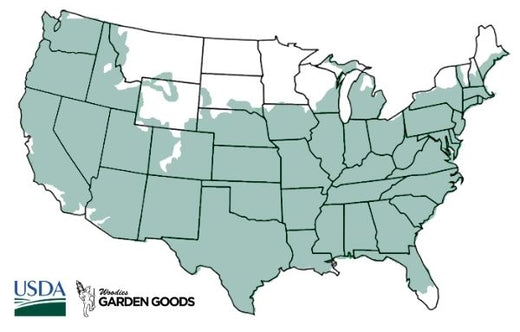
| Hardiness Zone: | 5-9 |
|---|---|
| Mature Height: | 60 to 80 feet |
| Mature Width: | 40 to 50 feet |
| Sunlight: | Full Sun |
| Soil | Average to moist, well-drained soil; prefers acidic soil |
| Water | Moderate; water regularly during establishment |
| Bloom Time / Color | Spring; inconspicuous yellow-green flowers |
| Ornamental Features | Narrow willow-like leaves, fine-textured canopy, upright to oval habit, yellow to russet fall color |
| Wildlife Value | Acorns support birds and wildlife; native habitat value |
| Resistance (deer/disease/drought/etc.) | Tolerates heat, urban stress, and some drought once established |
| Landscape Uses | Shade tree, lawn specimen, street tree, park tree, large residential landscape |
How to Care for Willow Oak Tree
Be sure to read our planting instructions to ensure a healthy and happy Willow Oak tree for years to come!
-v1775741773499.png?92x91)
How should I plant Willow Oak Tree?
Plant Willow Oak Tree in a location with full sun and plenty of room for its mature canopy to develop. Dig a hole about twice as wide as the root ball and no deeper than the root ball itself, then set the tree so the root flare sits at or slightly above the surrounding soil level. This helps the tree establish correctly and reduces the risk of decline caused by planting too deeply. Backfill with native soil, water thoroughly, and mulch around the root zone to help retain moisture and reduce weed competition. Keep mulch a few inches away from the trunk. Because Willow Oak becomes a large, long-lived tree, it should be planted well away from structures and in a space where its broad canopy can develop naturally over time.
-v1775741801438.png?89x84)
How often should I water Willow Oak Tree after planting?
Water Willow Oak Tree deeply right after planting, then continue watering regularly during the establishment period. In most landscapes, that means a deep soaking once or twice per week, depending on rainfall, heat, and soil conditions. The goal is to keep the root zone evenly moist while the tree builds a strong root system. Once established, Willow Oak becomes more tolerant of heat and periodic drought, but it still benefits from deep watering during prolonged droughts. Deep watering is more effective than frequent shallow watering because it encourages stronger root development and better long-term performance.
-v1775741824364.png?90x89)
When should I fertilize Willow Oak Tree?
Fertilize Willow Oak Tree only if needed, especially if growth appears weak or a soil test suggests a nutrient issue. If feeding is necessary, early spring is the best time to apply a balanced fertilizer or compost to support steady growth without pushing overly soft new growth. Avoid unnecessary fertilization, especially in soils with higher pH. Willow Oak performs best in acidic soil, so the overall site conditions often matter more than aggressive feeding. In many cases, good planting practices and consistent watering during establishment are the most important factors for long-term success.

When and how should I prune Willow Oak Tree?
Willow Oak Tree usually needs only structural pruning when young and occasional removal of dead, damaged, or awkwardly placed branches as it matures. Late winter is generally the best time to prune, before active spring growth begins and while the branching structure is easier to see. Pruning should focus on improving strength, clearance, and long-term form rather than forcing the tree into an unnatural shape. Because Willow Oak naturally develops into a handsome shade tree, light, thoughtful pruning is usually all that is needed to keep it healthy and attractive.