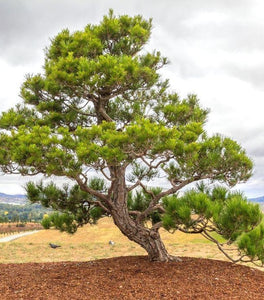
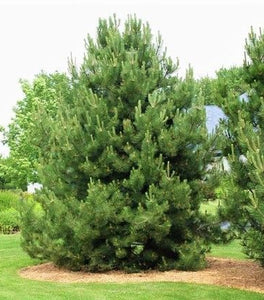
Images Depict Mature Plants
Thunderhead Pine Tree
Pinus thunbergii 'Thunderhead'
Thunderhead Pine is one of those evergreens that instantly makes a planting feel more collected and intentional. The dark green needles give it year-round substance, but the silvery spring candles are what really make it special. It has enough density to be useful, but enough personality to work as a true specimen, which is why it is such a strong choice for homeowners who want more than just another evergreen shrub.

20% OFF FOR EARTH DAY
Use Code EARTH20 At Checkout🌎
📦 Free shipping on orders over $99.
Delay shipping by leaving us a message at Checkout.
Share:


A Compact Japanese Black Pine with Sculptural Character
A Distinctive Evergreen with Strong Garden Presence
Thunderhead Pine is one of the most character-rich evergreens you can plant in the landscape. Its dense, compact growth, irregular branching, and deep green needle color give it an artistic, sculptural quality that feels far more distinctive than a standard upright pine.
This is the kind of plant that immediately reads as intentional. Whether used as a focal point in a garden bed or as a standout evergreen near an entry or patio, Thunderhead Pine brings year-round structure and a sense of design to the landscape.
Silvery Spring Candles and Rich Dark Green Needles
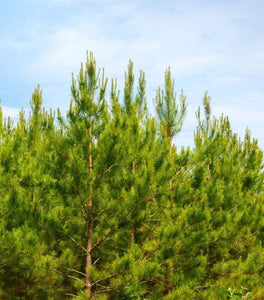
One of the most memorable features of Thunderhead Pine is the contrast between its fresh spring candles and mature foliage. In spring, new growth emerges with silvery-white, candle-like tips that stand out beautifully against the older, dark green needles, creating a striking seasonal display.
That spring effect gives the tree an ornamental moment beyond its evergreen presence. Even when not pushing new growth, the dense needles keep the plant looking full and handsome, making it a strong four-season performer.
A Compact Pine for Specimen Use and Focal Planting
Thunderhead Pine is especially effective where a landscape needs evergreen structure without the size of a large screening pine. Its mature form stays compact enough for residential spaces, but bold enough to command attention in foundation beds, island plantings, courtyard gardens, and mixed conifer groupings.
Because of that size and shape, it works beautifully as a specimen. It can also be shaped or trained for a more sculptural look, but it has enough natural personality that it is equally attractive when left to its own devices.
A Great Fit for Asian Gardens, Rustic Landscapes, and Mid-Sized Screens
This pine fits naturally into Japanese-inspired and Zen-style gardens, but it is not limited to one design language. It also looks right at home in rustic landscapes, conifer collections, and mixed evergreen borders where a more irregular, natural habit adds interest and texture.
It can even serve as a mid-sized screen in the right setting. While it is not a towering privacy pine, its dense form and broad spread give it practical evergreen value in spaces where a lower or more artistic screen is desired.
Drought Tolerant Once Established and Easy to Appreciate
Thunderhead Pine performs best in full sun and well-drained soil. Once established, it is notably drought-tolerant, which adds to its long-term value in lower-maintenance landscapes and sunnier sites where reliable evergreen structure is important.
For homeowners who want a compact evergreen with year-round texture, unusual spring interest, and standout specimen quality, Thunderhead Pine is an excellent choice. It brings character, structure, and a more collected garden look without demanding a lot of space.

| Hardiness Zone: | 5-10 |
|---|---|
| Mature Height: | 10 to 12 Feet |
| Mature Width: | 12 to 15 Feet |
| Sunlight | Full sun |
| Soil Conditions: | Well-drained soil; adaptable, but prefers good drainage |
| Water Requirements: | Average; water regularly during establishment |
| Bloom Time / Color | Spring; silvery white candles and inconspicuous flowers |
| Ornamental Features | Dense dark green needles, silvery white spring candles, compact irregular habit |
| Wildlife Value | Provides evergreen cover and shelter |
| Resistance (deer/disease/drought/etc.) | Drought tolerant once established; salt tolerant; heat tolerant |
| Landscape Uses | Specimen tree, focal point, Asian garden, rustic landscape, mixed conifer bed, mid-sized screen |
How to Care for Thunderhead Pine Tree
Before you buy a Thunderhead Pine Tree, make sure to read about the care instructions that are recommended to keep this plant healthy and flourishing.
-v1775758348762.png?92x91)
How should I plant Thunderhead Pine Tree?
Plant Thunderhead Pine Tree in a full sun location with well-drained soil. Dig a hole about twice as wide as the root ball and no deeper than the root ball itself, then set the plant so the root flare sits at or slightly above the surrounding soil level. This helps the root system establish properly and reduces the risk of planting too deeply. Backfill with native soil, water thoroughly, and mulch around the root zone to help conserve moisture and reduce weeds. Keep mulch a few inches away from the trunk. Because Thunderhead Pine develops a broad, irregular, specimen-like form, it is best planted where it has room to show off its natural shape.
-v1775758376254.png?89x84)
How often should I water Thunderhead Pine Tree after planting?
Water Thunderhead Pine Tree deeply right after planting, then continue watering regularly during the establishment period. In most landscapes, that means a deep soaking once or twice per week depending on rainfall, heat, and soil drainage. The goal is evenly moist soil while the tree develops new roots into the surrounding ground. Once established, Thunderhead Pine becomes much more drought tolerant and usually needs supplemental watering only during prolonged dry spells. Deep watering is more effective than frequent shallow watering because it encourages stronger root growth and better long-term resilience.
-v1775758392885.png?90x89)
When should I fertilize Thunderhead Pine Tree?
Fertilize Thunderhead Pine Tree only if needed, especially if growth appears weak or the soil is poor. If feeding is necessary, early spring is usually the best time to apply a balanced fertilizer or compost that supports steady growth without pushing overly soft new foliage. Avoid unnecessary fertilization, especially in poorly drained sites or on already healthy plants. In many cases, proper sun exposure, good drainage, and correct watering during establishment matter more than aggressive feeding. Healthy siting is usually the most important factor in long-term success.

When and how should I prune Thunderhead Pine Tree?
Thunderhead Pine Tree generally needs very little pruning beyond removing dead, damaged, or awkwardly placed branches. Late winter is usually the best time for structural pruning, before spring growth begins and while the overall form is easier to see. If shaping is desired, pruning should be light and selective so the plant keeps its natural character. Because the irregular compact habit is one of the main reasons people choose Thunderhead Pine, the goal should be to refine the form rather than force it into something overly formal.