
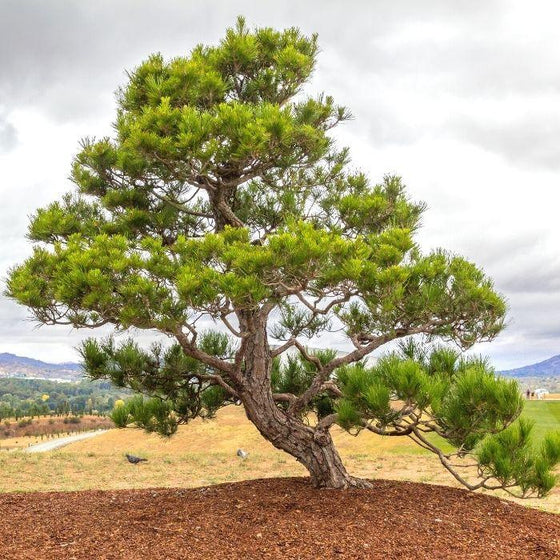
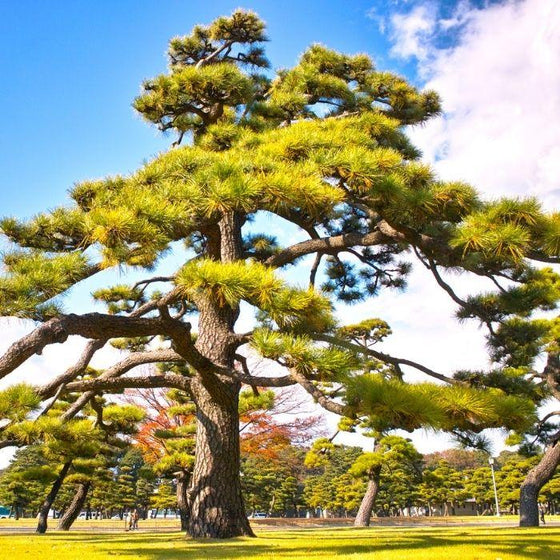
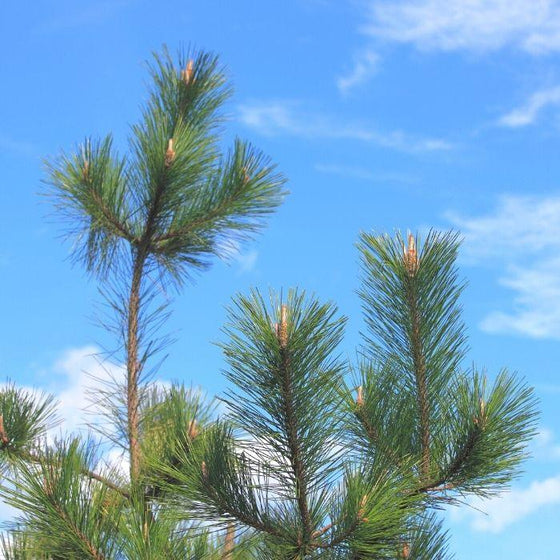
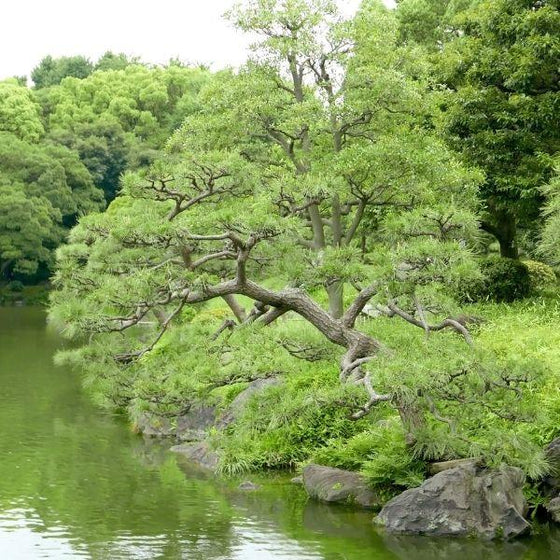


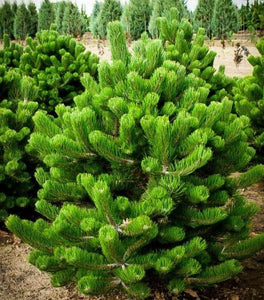
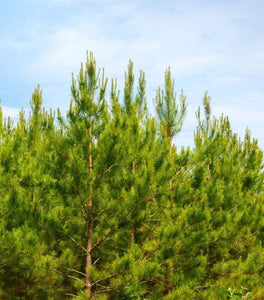
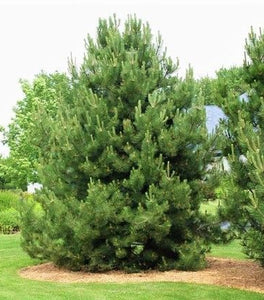
Images Depict Mature Plants
Japanese Black Pine
Pinus thunbergii
Japanese Black Pine is one of those trees that really earns its place when you want something with character. I like it because the branching has a sculptural quality, the needles stay deep green and handsome all year, and the tree handles tougher coastal or sandy conditions better than many ornamentals. It is a great choice for homeowners who want an evergreen that feels both artistic and durable.

20% Off Sitewide Sale!
Use Code 'ENDOFSEASON20' At Checkout
📦 Free shipping on orders over $99.
Delay shipping by leaving us a message at Checkout.
Share:

Sculptural Evergreen Beauty for Coastal and Specimen Plantings
A Distinctive Pine With Strong Ornamental Character
Japanese Black Pine is a standout choice for homeowners who want an evergreen tree with more character than a typical pyramidal pine. Its irregular habit and strong horizontal branching give it a sculptural quality that makes it feel immediately different in the landscape. Instead of blending into the background, it brings form, texture, and presence in a way that feels both refined and rugged.
That unusual structure is one of the biggest reasons this tree is so appealing. It can be used as a focal point in a lawn, a statement specimen in an Asian-inspired garden, or a bold evergreen accent in a mixed planting. It is the kind of tree that helps a landscape feel more intentional and more memorable.
Dark Green Needles and Rugged Bark Add Year-Round Interest
Japanese Black Pine offers excellent evergreen value through every season. The dark green needles are dense and handsome, and they contrast beautifully with the tree’s dark gray, deeply furrowed bark as it matures. That combination of needle color and bark texture gives the plant strong visual interest even when the rest of the landscape is quieter.
This kind of year-round structure is especially useful in landscapes that need a tree with lasting presence. Even without flowers or fall color, Japanese Black Pine keeps contributing through texture, silhouette, and evergreen depth.
A Strong Choice for Sandy Soil and Coastal Conditions
One of the most useful things about Japanese Black Pine is how well it handles conditions that can be difficult for other ornamentals. It is especially well suited to sandy soils and coastal exposures, which makes it a practical choice for seaside properties, windy sites, and tougher planting areas.
That adaptability makes it especially valuable for homeowners who want an ornamental tree without choosing something overly delicate. It combines beauty with resilience, which is one of the reasons it has remained such a respected landscape pine.
A Great Specimen Tree for Asian Gardens and Open Landscapes
Japanese Black Pine works best where its branching and growth habit can really be seen. It is especially effective in open beds, island plantings, larger foundation-adjacent spaces, and Asian-inspired gardens where its form can become a major design feature. It can be left in its natural shape or trained over time to emphasize a more artistic structure.
That flexibility is part of what makes it such a rewarding tree. It can read as rugged and natural in one landscape or refined and sculptural in another. For homeowners who want a specimen tree with real personality, Japanese Black Pine is a very strong option.
Easy-Care Evergreen Performance With the Right Placement
Japanese Black Pine performs best in full sun and in soils that drain well. Once established, it is drought tolerant, but it still benefits from steady watering during its early establishment period so it can root in well and build stronger long-term growth. It should not be planted in soggy or poorly drained areas.
For homeowners who want an evergreen pine with sculptural form, coastal toughness, and strong year-round beauty, Japanese Black Pine is one of the most distinctive choices available.
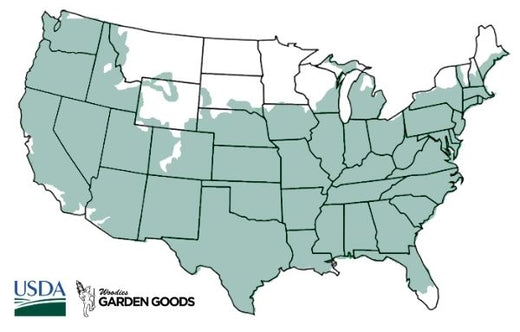
| Hardiness Zone: | 5-9 |
|---|---|
| Mature Height: | 20 to 25 feet |
| Mature Width: | 15 to 20 feet |
| Sunlight: | Full Sun |
| Soil Conditions: | Adaptable; prefers moist, well-drained soil and tolerates sandy soil |
| Water Requirements: | Average; drought tolerant once established |
| Ornamental Features | Irregular habit, horizontal branching, dark green needles, dark gray furrowed bark |
| Wildlife Value | Primarily ornamental landscape value and shelter |
| Resistance (deer/disease/drought/etc.) | Salt spray tolerant, sandy-soil tolerant, drought tolerant once established |
| Landscape Uses | Specimen tree, Asian garden, coastal planting, evergreen focal point |
How to Care for Japanese Black Pine
Before you buy Japanese Black Pine, make sure to read about the recommended care instructions to keep this plant healthy and thriving.
-v1775245825925.png?92x91)
How should I plant Japanese Black Pine?
Plant Japanese Black Pine in full sun in a location where it has room to develop its irregular branching and broad pyramidal shape. Dig a hole two to three times as wide as the root ball but no deeper than the root ball itself, and set the tree so the root flare sits at or slightly above grade. Good drainage is especially important because this tree does not tolerate soggy or poorly drained conditions. This tree works especially well in specimen plantings, coastal landscapes, and Asian-inspired gardens where its structure can be appreciated. It is best used where its natural form can develop without being crowded by larger trees or tight foundation spaces.
-v1775245862358.png?89x84)
How often should I water Japanese Black Pine after planting?
Water deeply right after planting and continue watering regularly while the tree establishes. Deep watering is more effective than frequent shallow watering because it encourages stronger root development and helps the tree settle in more successfully. Garden Goods Direct notes that new plants rely on the original root ball until roots grow into surrounding soil and that overwatering is a more common problem than underwatering. Once established, Japanese Black Pine is drought tolerant, but growth slows without adequate moisture. It performs best when given steady moisture early on and then allowed to mature into a more resilient, lower-maintenance evergreen.
-v1775245888257.png?90x89)
When should I fertilize Japanese Black Pine?
Japanese Black Pine usually does not need heavy feeding. A light application of a slow-release fertilizer in spring is usually enough if the tree appears to need support. Garden Goods Direct recommends starter fertilizer at planting and then a slow-release fertilizer after establishment. Too much fertilizer can encourage overly soft growth and is usually unnecessary for a tree valued mainly for structure and evergreen presence. A moderate approach is generally best.

When and how should I prune Japanese Black Pine?
Japanese Black Pine can be left natural or pruned to shape. Garden Goods Direct notes that unpruned trees develop a tall, broad-based pyramidal form, but young trees can be trained, especially by maintaining a single leader and lightly pruning side branches. It also notes that light pruning or shearing is best from spring into early to mid-summer, while late-summer or fall pruning should be avoided because tender new growth can be damaged by cold. In most landscapes, a lighter touch creates the healthiest and best-looking tree. The goal is usually to enhance the branching character, not force the plant into an unnatural outline.
Frequently Asked questions
How big does Japanese Black Pine get?
Is Japanese Black Pine good for sandy soil?
Is Japanese Black Pine salt tolerant?
What does Japanese Black Pine look like?
Is Japanese Black Pine fast growing?
When should I prune Japanese Black Pine?
Related Blogs


Other Products you may be interested in

Customer Reviews
- Rated 5 out of 5 stars2 months agoLove my new Japanese Black Pine
The 3 Japanese Black Pines I ordered from Garden Goods were bigger and more full than I was expecting. So very happy!
GMGreg M.Verified Buyer