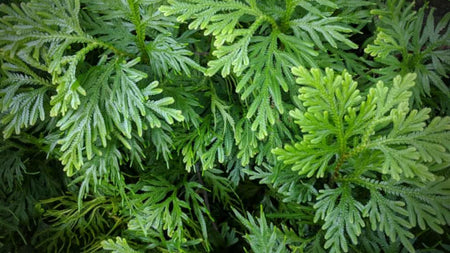
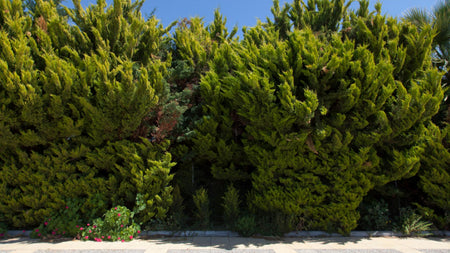
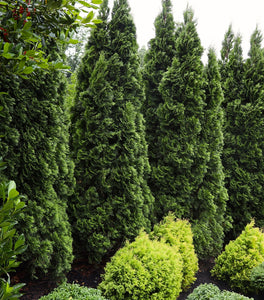
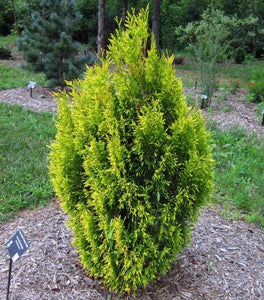
Images Depict Mature Plants
Thuja Nigra
Thuja occidentalis 'Nigra'
Thuja Nigra is a really smart choice when privacy is the main goal, and you want an evergreen that keeps a strong dark green look through winter. I like it because it fills in densely, works beautifully in long screening rows, and gives homeowners a dependable way to create a real wall of green. It is also nice to know it offers deer resistance along with all that year-round structure.

15% OFF WITH CODE PLANTING15
Save 15% Off Your Entire Order! Limited time.
📦 Free shipping on orders over $99.
Delay shipping by leaving us a message at Checkout.
Share:

Dense Dark Green Privacy for Year-Round Screening
A Strong Arborvitae With Rich Dark Green Color
Thuja Nigra Arborvitae is a great choice for homeowners who want an evergreen privacy tree with a deeper, richer look than many standard arborvitae selections. Its foliage maintains a dark green color throughout the growing season and is especially valued for retaining that strong color well into winter. When a privacy planting needs to feel dense, dependable, and substantial, this variety is a very smart option.
That darker foliage is one of the biggest reasons people choose it. Instead of fading into a softer yellow-green in colder months, Thuja Nigra tends to maintain a fuller, stronger appearance, helping the landscape stay visually solid all year long. For privacy plantings, that kind of winter presence matters.
A Dense Upright Habit Built for Privacy
One of the strongest reasons to plant Thuja Nigra is its naturally dense, upright form. It grows in a narrow pyramidal to broadly columnar shape and fills in well from top to bottom, which makes it especially useful for hedges, screening rows, and property-line plantings. This is the kind of evergreen that can create a true wall of green when planted in sequence.
That habit makes it especially helpful for homeowners who want to block views, soften fences, reduce visual clutter, or create a more enclosed backyard. It has enough width to provide real coverage, yet remains organized enough to work in long, structured rows.
A Great Fit for Hedges, Screens, and Windbreaks
Thuja Nigra Arborvitae is especially useful in larger privacy projects. It works beautifully along property lines, behind patios, around pools, beside driveways, and in open side yards where year-round screening is needed. It can also function as a windbreak in more exposed areas where evergreen structure is important.
Because it stays dense and evergreen through every season, it keeps doing its job even when deciduous trees and shrubs have dropped their leaves. That year-round utility is one of the biggest reasons arborvitae remain such popular privacy plants, and Thuja Nigra is one of the stronger choices for homeowners who want a darker, fuller screen.
A Better Fit for Privacy Rows Than Small Accent Beds
Thuja Nigra is best used where its mature size and evergreen mass can really work for the landscape. It shines in rows, groupings, and perimeter plantings where screening and structure are the goal. It is not the best choice for very tight foundation beds or tiny courtyard gardens, but it is an excellent fit for backyards, side-yard boundaries, and larger mixed evergreen plantings.
That clarity of purpose is important. Homeowners looking for a compact accent evergreen should choose something smaller, but homeowners who want real privacy value will find Thuja Nigra much more useful. It is a plant designed to address a clear landscape need, and it does so very well.
Easy-Care Evergreen Performance With the Right Start
Thuja Nigra Arborvitae performs best in full sun to part sun in well-drained soil with regular moisture during establishment. Once rooted in, it becomes a dependable evergreen that asks for relatively little beyond occasional watering during drought and light shaping if needed. It is also generally considered deer resistant compared with many softer broadleaf plants, which adds practical value in areas with browsing pressure.
For homeowners who want a dense arborvitae with dark green winter color, deer resistance, and strong year-round privacy performance, Thuja Nigra Arborvitae is one of the most dependable choices available.


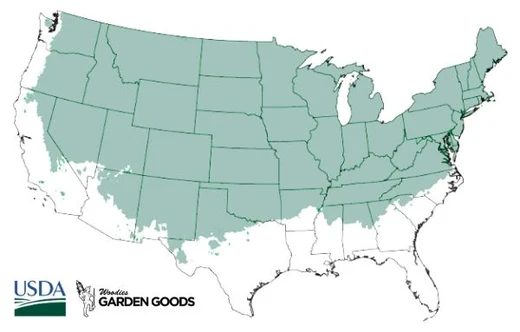
| Hardiness Zone: | 3-7 |
|---|---|
| Mature Height: | 20 to 30 feet |
| Mature Width: | 6 to 10 feet |
| Sunlight: | Full sun to part sun |
| Soil Conditions: | Well-drained soil; adaptable to a range of soil types |
| Water Requirements: | Regular moisture during establishment; average moisture once established |
| Bloom Time / Color | Conifer; grown for foliage rather than flowers |
| Ornamental Features | Dense dark green foliage, upright pyramidal form, strong winter color retention |
| Wildlife Value | Primarily shelter and screening value |
| Resistance (deer/disease/drought/etc.) | Deer resistant, cold hardy, low maintenance once established |
| Landscape Uses | Privacy screen, hedge, windbreak, property line planting, evergreen backdrop |
How to Care for Thuja Nigra
After you purchase your Thuja Nigra Arborvitae, be sure to read the recommend care instructions to ensure your plant stays happy and healthy for years to come.

How should I plant Thuja Nigra Arborvitae?
Plant Thuja Nigra Arborvitae in full sun to part sun in well-drained soil where it has room to develop into an upright screening tree. Dig a hole two to three times as wide as the root ball but no deeper than the root ball itself, and set the plant so the root flare sits at or slightly above grade. If planting a hedge or privacy row, space the trees so they have enough room to root well while still growing together into a screen over time. This arborvitae works especially well along property lines, fence lines, backyard edges, and side yards where year-round privacy is the goal. It is best used where its natural upright form can develop without being crowded by buildings or oversized shade trees.

How often should I water Thuja Nigra Arborvitae after planting?
Water deeply right after planting and keep the soil evenly moist during the establishment period. Deep watering is more effective than frequent shallow watering because it encourages stronger root development and helps the tree settle in more successfully during its first growing season. Once established, Thuja Nigra is easier to manage, but it still benefits from supplemental watering during long dry stretches, especially in hot weather. The key is good drainage and avoiding constantly soggy soil.
-v1775495923511.png?90x89)
When should I fertilize Thuja Nigra Arborvitae?
Thuja Nigra Arborvitae usually does not need heavy feeding. A light application of balanced slow-release fertilizer in early spring is usually enough if the tree appears to need support. Good soil, correct spacing, and proper watering are often more important than frequent fertilization. Too much fertilizer can encourage overly soft growth and reduce the dense, steady habit that makes this tree such a good privacy plant. A moderate approach is generally best for a tree grown mainly for screening and evergreen structure.

When and how should I prune Thuja Nigra Arborvitae?
Thuja Nigra Arborvitae usually needs only light shaping or corrective pruning. Remove dead, damaged, or awkward branches and preserve the tree’s natural upright form rather than cutting it back too harshly. If pruning is needed for shaping or hedge control, do it lightly before the plant gets too overgrown. The goal is to maintain a full, healthy screen, not to force the tree into an unnatural outline.