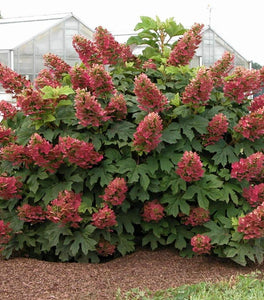
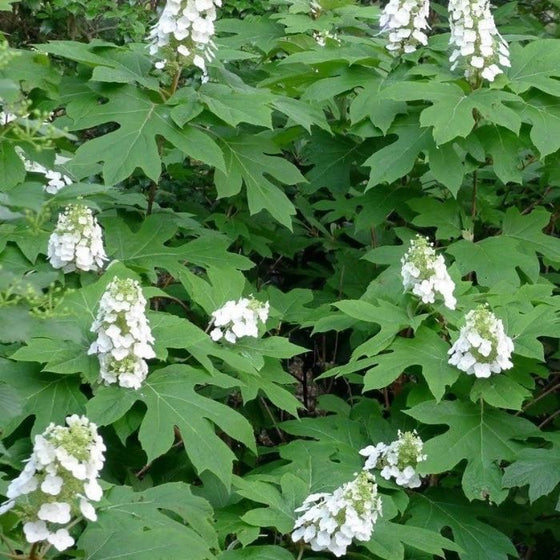
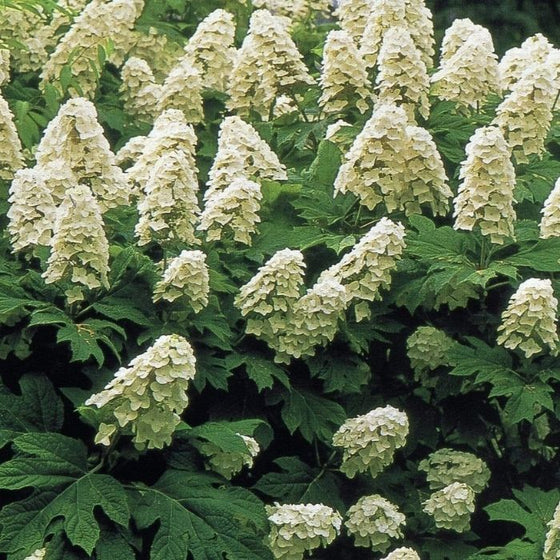


Images Depict Mature Plants
Snow Queen Oakleaf Hydrangea
Hydrangea quercifolia 'Flemygea' SNOW QUEEN
Snow Queen is the oakleaf hydrangea I point to when someone wants a shrub that feels “estate garden” without being fussy—big white panicles that age into soft pink, bold oakleaf texture all summer, and that deep red fall color that makes you stop and stare. Give it room, keep the soil well-drained, and prune only after bloom if you need to tidy it, and it’ll anchor a bed for years with four-season personality.

Save Up to 25% On Your Order! Limited Time Only!
Discount Applied Automatically At Checkout
📦 Free shipping on orders over $99.
Delay shipping by leaving us a message at Checkout.
Share:

Snow Queen Oakleaf Hydrangea With White Panicles And Red Fall Color
Huge Upright White Panicles With A Rosy-Pink Fade
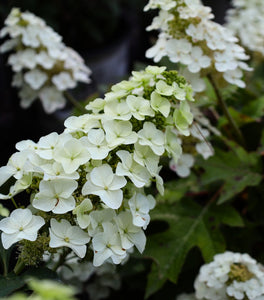
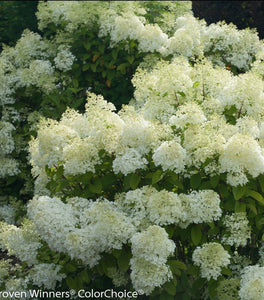
Snow Queen Oakleaf Hydrangea delivers the classic oakleaf look—large, cone-shaped flower panicles that open a clean, luminous white and hold their beauty for weeks. As summer matures, those blooms often soften into warm blush-pink tones, giving you a gentle color shift that feels natural and upscale rather than flashy. The flowers are showy enough to carry a bed on their own, yet refined—perfect for a front border, a foundation planting, or a woodland edge where you want brightness without full sun.
A signature perk of ‘Snow Queen’ is its strong, upright bloom presentation. Panicles are held more erect above the foliage, so the plant looks crisp and “put together” even at peak bloom. Use it as a specimen shrub where the flowers can take center stage, or mass it for a white-summer-to-pink-late-season effect that reads like a designed garden moment—without complicated maintenance.
Bold Oakleaf Foliage And Knockout Fall Color
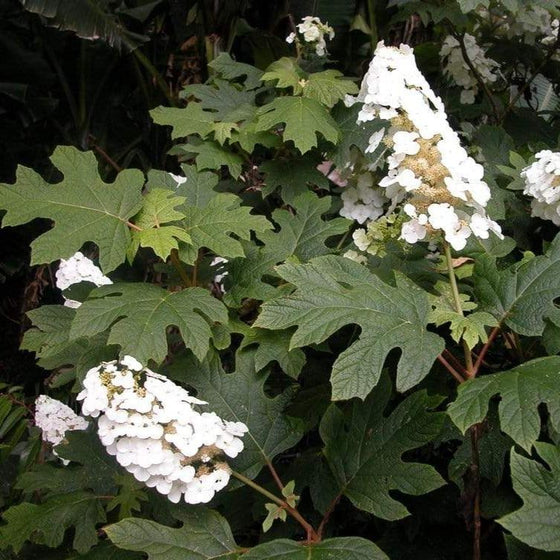
The foliage is the other half of the show. Big, oak-shaped leaves add bold texture from spring through summer, creating a lush, architectural shrub that looks substantial even before flowering. In mixed borders, those dramatic leaves bring contrast against finer textures like grasses, ferns, and small-leaved evergreens. If you love a garden that feels layered and “collected,” this shrub is an instant upgrade.
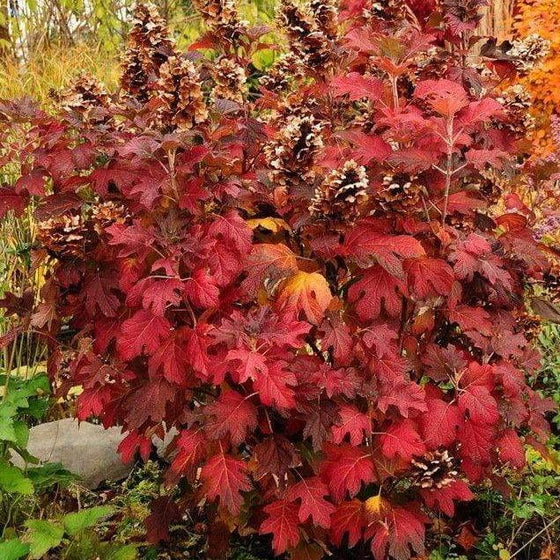
Then fall hits—and Snow Queen earns its reputation. Leaves often shift into rich burgundy, red-bronze, and wine tones that glow in autumn light, turning the shrub into a seasonal focal point. In winter, mature plants can reveal exfoliating bark that adds subtle, natural character when the garden is otherwise quiet. It’s true four-season interest: flowers, foliage, fall color, and winter texture all in one plant.
Sun-To-Shade Versatility With Strong Native Toughness
Snow Queen performs beautifully in full sun to part shade, with the best spot depending on your climate. In cooler regions, more sun often means stronger flowering and tighter growth. In warmer areas, morning sun with afternoon shade helps foliage stay fresher and reduces stress during summer heat. This flexibility makes it a smart choice for real-life yards where light changes across the day or where you’re planting near trees and structures.
Once established, oakleaf hydrangeas are known for being tougher than they look. They prefer well-drained soil and do not enjoy wet feet, but they can handle short dry spells better once roots are developed—especially with mulch. If you want a flowering shrub that feels elevated yet isn’t fragile, Snow Queen is a dependable pick for borders, woodland gardens, and foundation beds.
Easy Long-Term Care With Pruning That Protects Blooms
Snow Queen Oakleaf Hydrangea is low-fuss when you follow one key rule: it blooms on old wood, so pruning timing matters. You don’t need to prune much at all—many gardeners simply remove dead wood and let the shrub develop its natural branching. When shaping is needed, pruning right after flowering helps you manage size without cutting off next year’s buds.
This is also a shrub that rewards patience. It becomes more impressive with age as it builds a sturdy framework and fuller bloom coverage. Give it space to mature, keep watering consistently during its first season or two, and maintain a mulch ring to stabilize moisture and temperature. The payoff is a long-lived, multi-season shrub that looks better each year and anchors a landscape with confidence.
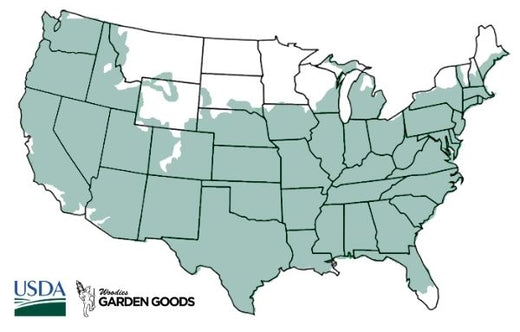
| Hardiness Zone: | 5-9 |
|---|---|
| Mature Width: | 6 to 8 Feet |
| Mature Height: | 6 to 8 Feet |
| Sunlight: | Full sun to part shade |
| Bloom Time / Color: | Early summer; white panicles aging to pink |
| Soil Condition: | Well-drained; organic-rich preferred |
| Water Requirement: | Moderate; consistent moisture while establishing |
| Wildlife Value: | Seasonal pollinator interest during bloom |
| Resistance (deer/disease/drought/etc.): | Some deer resistance; moderate drought tolerance once established |
| Landscape Uses: | Specimen shrub, hedge/screen, foundation planting, woodland edges, mixed borders, cut and dried flowers |
How to Care for Snow Queen Oakleaf Hydrangea
Be sure to read our planting instructions to ensure a healthy and happy Snow Queen Oakleaf Hydrangea plant for years to come!
-v1770912761266.png?92x91)
How should I plant Snow Queen Oakleaf Hydrangea?
Plant Snow Queen Oakleaf Hydrangea in well-drained soil where it has room to mature into a substantial shrub. Dig a hole about twice as wide as the root ball and just as deep, set the plant so the top of the root ball is level with the surrounding soil, then backfill and water deeply to settle roots. If your soil is heavy clay, improve drainage by loosening the surrounding area and mixing in compost to create a root-friendly zone. Finish with a 2–3 inch mulch ring to conserve moisture and keep roots cooler in summer, keeping mulch a few inches away from the stems. In hot climates, prioritize morning sun with afternoon shade; in cooler climates, more sun is often fine as long as moisture is consistent.
-v1770912782401.png?89x84)
How often should I water Snow Queen Oakleaf Hydrangea after planting?
For the first 2–3 weeks, water every 2–3 days so the root zone stays evenly moist (not soggy). After that, transition to deep watering about once per week, increasing frequency during heat, drought, or windy weather. A slow soak at the base is best—it pushes roots deeper and helps the plant establish faster. Once established, Snow Queen is more tolerant of short dry spells than many hydrangeas, but it still looks and blooms best with steady moisture during late spring and early summer. Keep mulch refreshed to reduce evaporation and prevent big moisture swings that can stress new plantings.
-v1770912807957.png?90x89)
When should I fertilize Snow Queen Oakleaf Hydrangea?
Fertilize lightly in early spring as growth begins using a balanced, slow-release fertilizer, or top-dress with compost for a gentler approach. Oakleaf hydrangeas generally do not need heavy feeding; consistent soil health and moisture are more important than pushing fast growth. Avoid heavy late-summer fertilizing, which can encourage tender growth at the wrong time. If you mulch annually and add compost occasionally, you’ll support stronger roots, better moisture retention, and a healthier framework that improves flowering over the long run.

When and how should I prune Snow Queen Oakleaf Hydrangea?
Prune Snow Queen Oakleaf Hydrangea right after it finishes flowering if you need to shape it or reduce size. Because it blooms on old wood, pruning in fall, winter, or early spring can remove next season’s flower buds. Most years, minimal pruning is best—focus on removing dead, damaged, or crossing branches to keep the shrub healthy and well-structured. If the shrub becomes crowded over time, thin selectively by removing a few older stems to improve airflow and highlight the plant’s natural branching. Keep pruning gradually and thoughtfully; this is a long-lived shrub that looks best when it’s allowed to develop a strong, mature framework.