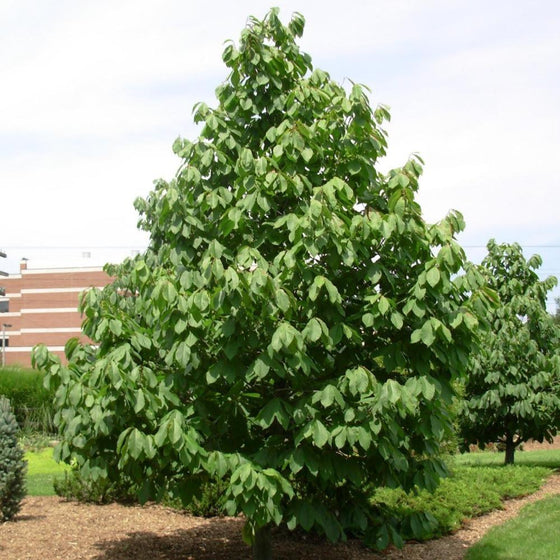
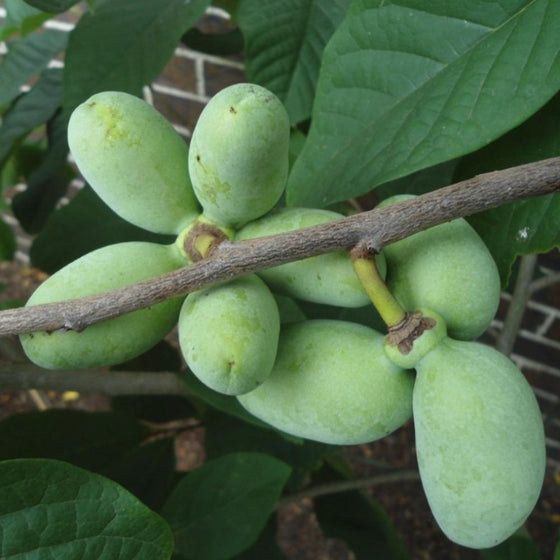


Images Depict Mature Plants
Pawpaw Tree
Asimina Triloba
Pawpaw Tree is one of those plants that feels special the minute you understand what it offers. The fruit has a flavor you just do not get from the usual backyard tree, and the lush foliage gives it a look that feels a little tropical without losing its native roots. For homeowners who want an edible tree with real personality, this is a great choice.

15% OFF WITH CODE PLANTING15
Save 15% Off Your Entire Order! Limited time.
📦 Free shipping on orders over $99.
Delay shipping by leaving us a message at Checkout.
Share:


A Native Fruit Tree with Tropical Flavor and Lush Foliage
A Native Fruit Tree Unlike Anything Else in the Garden
Pawpaw Tree is one of the most distinctive fruit trees you can grow in a home landscape. Native to the eastern United States, it brings together tropical-looking foliage, a compact understory-tree habit, and richly flavored fruit that feels completely unexpected in a temperate garden.
This is not just another backyard fruit tree. Pawpaw has a unique identity that makes it especially appealing for gardeners who want something productive, unusual, and deeply tied to the native landscape.
Tropical-Flavored Fruit with Real Homegrown Appeal
The fruit is the biggest reason many homeowners fall in love with pawpaw. When ripe, pawpaws have a creamy, custard-like texture and a flavor often compared to banana, mango, melon, and vanilla, giving them a rich tropical quality that is hard to find in other cold-hardy fruit trees.
That unusual flavor profile is a major selling point. It gives homeowners the chance to grow a fruit that feels rare and special, and because fresh pawpaw is not commonly found in grocery stores, growing your own adds even more appeal.
Large Lush Leaves Add Ornamental Value
Pawpaw Tree is not only grown for fruit. Its large, drooping, medium-green leaves create a lush, almost tropical look through the growing season, giving the plant more ornamental value than many edible trees. In fall, the foliage turns yellow, adding another season of interest before dormancy.
That bold foliage makes pawpaw a strong choice for edible landscapes where appearance matters as much as harvest. It can function beautifully in a mixed border, a native planting, or a backyard orchard setting without looking purely utilitarian.
A Great Fit for Edible Landscapes and Native Gardens
Because Pawpaw Tree stays relatively compact, it works especially well in home gardens, edible landscapes, and native plantings where a full-sized orchard tree might feel too large. It can be planted in open sunny areas, along the edge of woodland-style gardens, or in more naturalized spaces where its native character feels especially appropriate.
It is also a meaningful ecological addition to the landscape. As a native species, it supports a stronger sense of place and contributes to regional biodiversity in a way many common fruit trees do not.
Best with Consistent Moisture and Cross-Pollination
Pawpaw Tree performs best in fertile, well-drained soil with consistent moisture, especially during establishment. It can tolerate a range of light conditions, from sun to partial shade, but fruiting is strongest where it receives good light and steady care.
For the best fruit set, it is usually wise to plant more than one genetically distinct pawpaw. That extra planning is worth it because the reward is a unique native fruit tree that brings flavor, texture, and character to the landscape in a way very few trees can match.
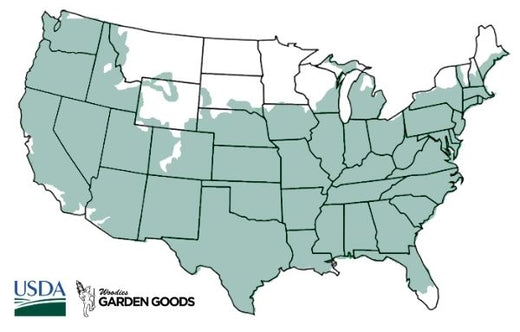
| Hardiness Zone: | 5-9 |
|---|---|
| Mature Height: | 15 to 25 Feet |
| Mature Width: | 15 to 20 Feet |
| Sunlight: | Full sun to partial shade |
| Soil | Moist, fertile, well-drained, slightly acidic soil |
| Water | Moderate; keep evenly moist during establishment |
| Bloom Time / Color | Spring; maroon to reddish-purple flowers |
| Fruit Time / Color | Late summer to fall; green fruit ripening to softer green-yellow tones |
| Taste / Fruit Use | Custard-like tropical flavor; fresh eating, desserts, preserves |
| Ornamental Features | Large tropical-looking leaves, maroon spring flowers, yellow fall color |
| Pollination | Best fruit set with another genetically different pawpaw nearby |
| Wildlife Value | Native habitat value; host plant for zebra swallowtail butterfly |
| Resistance (disease/drought/etc.) | Low-maintenance once established; prefers steady moisture |
| Landscape Uses | Edible landscape, backyard orchard, native garden, woodland edge, specimen fruit tree |
How to Care for Pawpaw Tree
Before you buy a PawPaw Tree, make sure to read about the care instructions that are required and recommended to keep this plant healthy and flourishing.

How should I plant Pawpaw Tree?
Plant Pawpaw Tree in a location with full sun to partial shade and fertile, well-drained soil that stays evenly moist but not waterlogged. Dig a hole about twice as wide as the root ball and no deeper than the root ball itself, then set the tree so the root flare sits at or slightly above the surrounding soil level. This helps encourage healthy root establishment and avoids the problems associated with planting too deeply. Backfill with native soil, water thoroughly, and mulch around the root zone to help conserve moisture and reduce weed competition. Keep mulch a few inches away from the trunk. If you are planting more than one pawpaw for pollination, allow enough spacing for mature growth and good airflow while still keeping compatible trees close enough to support fruit set.

How often should I water Pawpaw Tree after planting?
Water Pawpaw Tree deeply right after planting, then continue watering regularly during the establishment period. In most landscapes, that means a deep soaking once or twice per week depending on rainfall, heat, and soil drainage. The goal is to keep the root zone evenly moist while the tree is settling in and building a strong root system. Once established, pawpaw is easier to manage, but it still performs best with consistent moisture rather than repeated hard drying. Deep watering is more effective than frequent shallow watering because it encourages better root development and stronger long-term performance.

When should I fertilize Pawpaw Tree?
Fertilize Pawpaw Tree only if needed, especially if growth appears weak or the soil is poor. If feeding is necessary, early spring is usually the best time to apply compost or a balanced fertilizer that supports steady growth without pushing excessive soft growth. Avoid overfeeding, especially on young trees that are still establishing. In many cases, good soil, proper moisture, and correct siting matter more than aggressive fertilization. The goal is healthy leaf growth, steady structure, and reliable fruiting over time.

When and how should I prune Pawpaw Tree?
Pawpaw Tree usually needs only light pruning to remove dead, damaged, or awkwardly placed branches and to help maintain a strong framework. Late winter is generally the best time to prune, before spring growth begins and while the tree's structure is easier to see. Pruning should be light and selective rather than heavy. Because pawpaw naturally develops a graceful, somewhat upright form, the goal is usually to improve airflow and branch structure while preserving the tree’s natural habit and future fruiting potential.