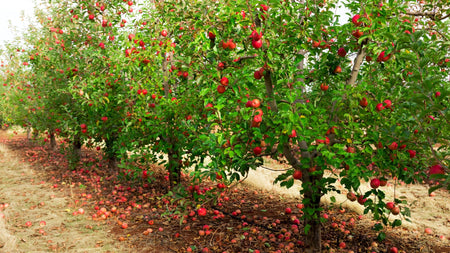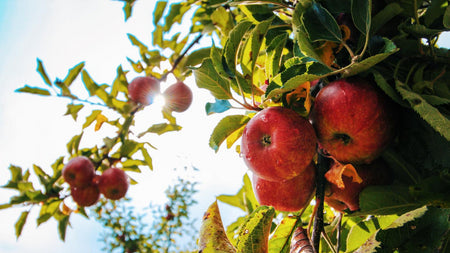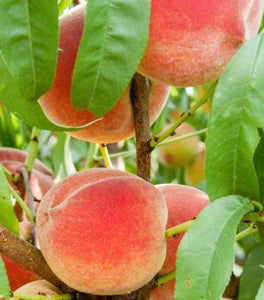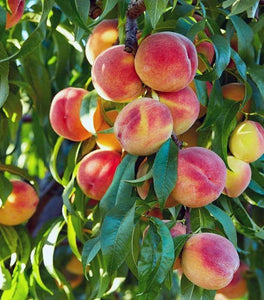
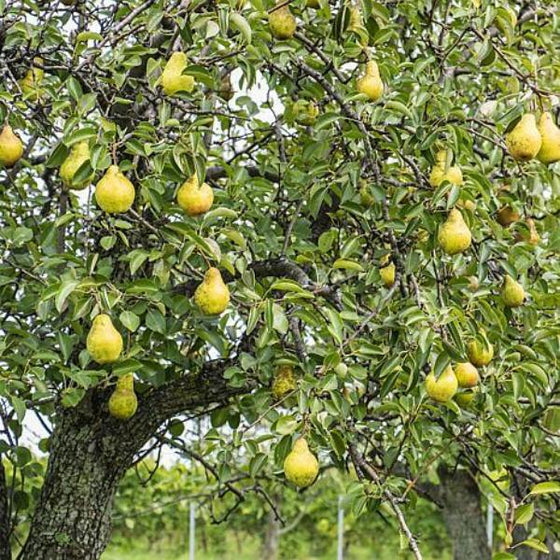


Images Depict Mature Plants
Kieffer Pear Tree
Pyrus 'Kieffer'
Kieffer Pear Tree is a really practical fruit tree when you want something dependable instead of fussy. The late harvest, firm fruit, and stronger fire blight resistance make it especially useful for homeowners who actually want to put their crop to work in the kitchen. For backyard orchards and edible landscapes, it is a strong old-school pear to plant.

15% OFF WITH CODE PLANTING15
Save 15% Off Your Entire Order! Limited time.
📦 Free shipping on orders over $99.
Delay shipping by leaving us a message at Checkout.
Share:


A Reliable Pear Tree for Late Harvests and Homegrown Preserves
A Time-Tested Pear for Home Orchards
Kieffer Pear Tree is a classic orchard favorite for homeowners who want a pear tree that is dependable, productive, and easier to grow than more delicate varieties. It has long been valued for its vigorous growth, heavy-bearing habit, and strong resistance to fire blight, making it one of the most practical pear trees for home landscapes.
This is a fruit tree chosen for reliability as much as harvest quality. It fits beautifully into backyard orchards, homestead plantings, and edible landscapes where homeowners want a tree that earns its place year after year.
Large Firm Pears with Versatile Kitchen Value
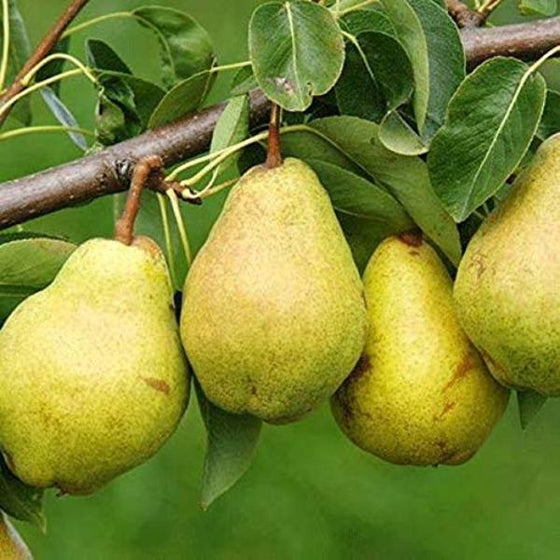
One of the biggest reasons to plant the Kieffer Pear is the fruit. The pears are typically large, aromatic, and golden yellow with a noticeable red or ruby blush, giving them a classic old-fashioned orchard look that stands out at harvest time.
The flesh is firm and crisp, which makes Kieffer especially useful for canning, baking, slicing, and preserving. While it can be eaten fresh when properly ripened, it is especially valuable for homeowners who want a pear that holds up well in the kitchen and offers more than just straight-off-the-tree snacking.
A Late-Season Pear That Extends the Harvest
Kieffer Pear Tree is especially appealing because it ripens later than many other pears. That extended season helps spread out the home harvest and makes it a strong addition for homeowners who want fruit production that carries further into autumn.
That later timing is a major practical advantage. It gives the landscape another productive moment after some earlier fruit trees have already finished, and helps make a backyard orchard feel more complete.
Fire Blight Resistance Adds Real Confidence
One of the most important strengths of the Kieffer Pear Tree is its resistance to fire blight. Pear growers and home gardeners alike have long valued this variety because it tends to be more resilient than many other pears where disease pressure is a concern.
That resistance makes it especially appealing for homeowners who want a pear tree with a better chance of long-term success. It does not eliminate the need for good care, but it does make Kieffer a more forgiving and confidence-building choice for the home orchard.
A Great Fit for Sunny Orchards and Edible Landscapes
Kieffer Pear Tree performs best in full sun and well-drained soil, where it can develop strong growth and good fruiting. It works beautifully in backyard orchards, edible landscapes, and larger sunny lawns where a productive fruit tree can also add spring bloom and seasonal structure to the garden.
For homeowners who want a late-season pear tree with firm, flavorful fruit, strong fire blight resistance, and dependable productivity, the Kieffer Pear Tree is an excellent choice. It offers orchard reliability, kitchen versatility, and long-term fruit-tree value in one classic planting.
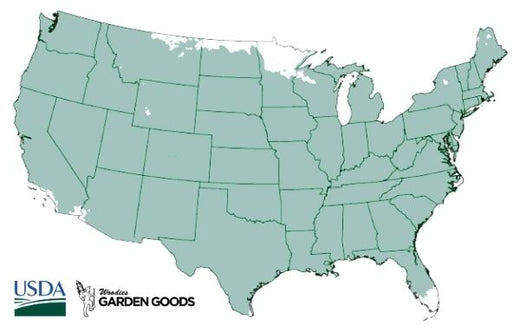
| Hardiness Zone: | 4-9 |
|---|---|
| Mature Height: | 15 to 20 feet |
| Mature width: | 15 to 20 feet |
| Sunlight: | Full sun |
| Soil | Deep, well-drained soil |
| Water | Moderate; water regularly during establishment |
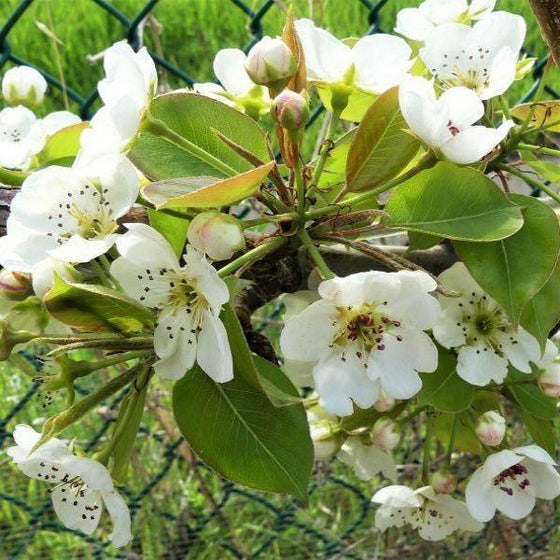
| Bloom Time / Color | Spring; white blossoms |
| Fruit Time / Color | Late season, often October to November; golden-yellow fruit with red blush |
| Taste / Fruit Use | Firm, crisp texture; fresh eating when ripened, canning, baking, preserves |
| Ornamental Features | Spring bloom, handsome orchard form, colorful late fruit |
| Pollination | Best fruit set with another pear cultivar nearby |
| Wildlife Value | Seasonal food value and pollinator support during bloom |
| Resistance (disease/drought/etc.) | Noted for fire blight resistance; vigorous and productive |
| Landscape Uses | Backyard orchard, edible landscape, homestead planting, sunny lawn fruit tree |
How to Care for Kieffer Pear Tree
Before you plant a Kieffer Pear Tree, make sure to read all of the recommended care instructions to keep your young tree healthy and thriving.

How should I plant Kieffer Pear Tree?
Plant Kieffer Pear Tree in a full sun location with deep, well-drained soil and enough room for its mature canopy to develop. Dig a hole about twice as wide as the root ball and no deeper than the root ball itself, then place the tree so the graft union and root flare sit above the surrounding soil level. This helps support healthy root establishment and reduces the chance of planting too deeply. Backfill with native soil, water thoroughly, and mulch around the base to help conserve moisture and reduce weed competition. Keep mulch a few inches away from the trunk. If planting more than one pear tree for better pollination, space them with mature size and airflow in mind.

How often should I water Kieffer Pear Tree after planting?
Water Kieffer Pear Tree deeply right after planting, then continue watering regularly during the establishment period. In most landscapes, that means a deep soaking once or twice per week depending on rainfall, temperature, and soil drainage. The goal is evenly moist soil while the tree develops a strong root system. Once established, Kieffer Pear becomes easier to manage, but it still performs best when not repeatedly stressed by extended drought. Deep watering is much better than frequent shallow watering because it encourages stronger roots and better long-term fruit-tree performance.

When should I fertilize Kieffer Pear Tree?
Fertilize Kieffer Pear Tree only if needed, especially if growth appears weak or a soil test points to a deficiency. If feeding is necessary, early spring is usually the best time to apply compost or a balanced fertilizer to support steady growth without encouraging excessive, overly vigorous shoots. Avoid overfeeding, especially with pears, because strong lush growth can increase management issues. In many cases, proper pruning, good sun exposure, and correct watering matter more than aggressive fertilization. The goal is balanced growth, healthy structure, and dependable fruit production.

When and how should I prune Kieffer Pear Tree?
Kieffer Pear Tree benefits from structural pruning while young to build a strong framework and improve branch angles. Late winter is generally the best time to prune, before spring growth begins and while the structure of the tree is easiest to see. Pruning should focus on maintaining a central leader, removing dead or crossing wood, and opening the canopy enough for airflow and light penetration. Because pears tend to grow upright, thoughtful early pruning is especially important for long-term strength and harvest quality.