

Images Depict Mature Plants
Elberta Peach Tree
Prunus persica 'Elberta'
Elberta Peach Tree is one of those classic fruit trees that still earns its place because it does so many things well. The spring bloom is beautiful, the peaches are sweet and easy to use thanks to that freestone flesh, and the self-pollinating habit makes it approachable for homeowners who may only have room for one tree. This is a smart, satisfying choice for anyone who wants a peach tree with real backyard orchard appeal.

Save Up to 25% On Your Order! Limited Time Only!
Discount Applied Automatically At Checkout
📦 Free shipping on orders over $99.
Delay shipping by leaving us a message at Checkout.
Share:


Classic Yellow Peaches with Late-Summer Reward
A time-tested peach tree for home orchards
Elberta Peach Tree is a standout choice for homeowners who want a fruit tree with classic orchard appeal and strong seasonal payoff. This variety has long been valued for its large, flavorful peaches and dependable home-garden performance, making it one of those fruit trees that feels both traditional and highly rewarding.
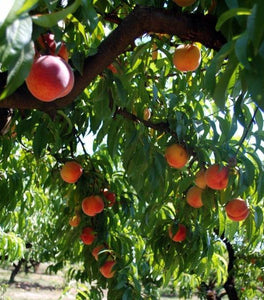
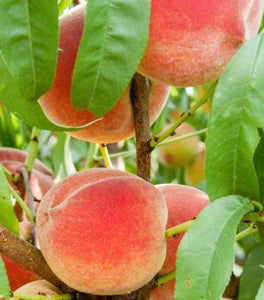
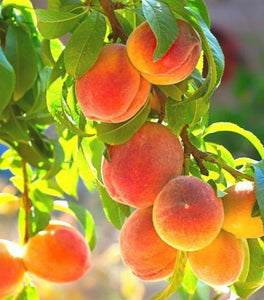
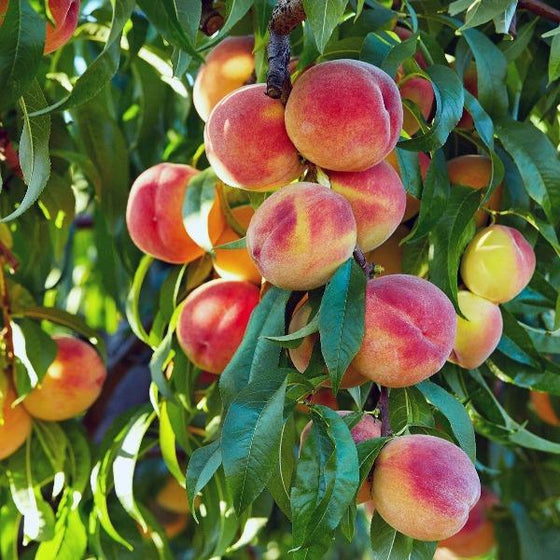
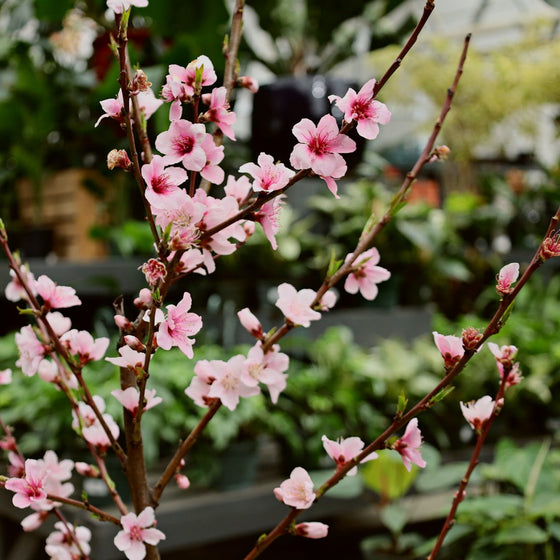
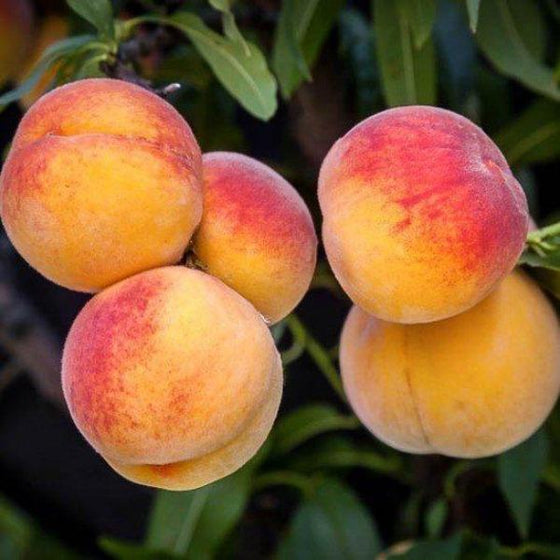
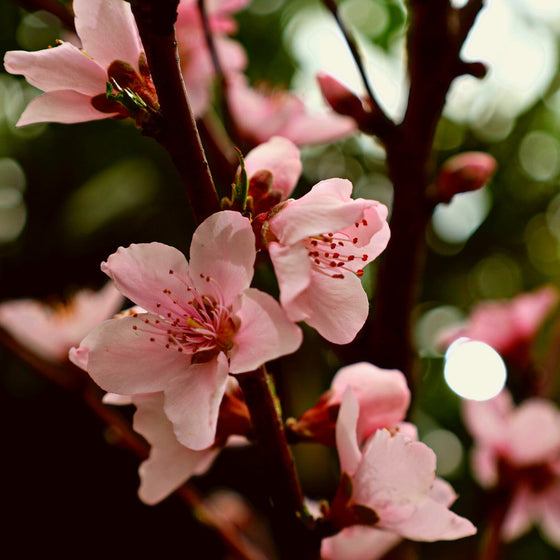
It also carries the kind of presence that works beautifully in the landscape. In spring, the tree lights up with pink blossoms. By late summer, it is producing golden fruit blushed with red, creating the kind of backyard harvest that feels generous, colorful, and worth the wait.
Large sweet peaches with broad kitchen appeal
Elberta is especially appreciated for its sweet yellow flesh and freestone texture, which means the flesh separates easily from the pit as the fruit ripens. That makes these peaches especially easy to use for fresh eating, slicing, baking, canning, and freezing.
For homeowners, that kind of versatility matters. This is not just a peach tree that produces fruit for one quick summer moment. It is a tree that can support snacking, desserts, preservation, and seasonal recipes, providing the harvest with real everyday value.
Spring bloom that adds ornamental value
Before fruiting season begins, the Elberta Peach Tree brings showy pink spring flowers that give the landscape a fresh, uplifting look. Those blooms help the tree function as more than a productive planting. It becomes part of the garden’s beauty well before the first peach ripens.
Its spreading canopy and dark green foliage continue that appeal after bloom. This makes Elberta especially useful in edible landscapes, kitchen gardens, and sunny yards where homeowners want a fruit tree that contributes structure and visual interest across multiple seasons.
Self-pollinating and easy to grow at home
One of Elberta’s biggest advantages is its self-pollination. Homeowners can plant just one tree and still enjoy fruit production, which makes it especially practical for smaller landscapes or first-time backyard orchard plans.
Even so, planting another peach tree nearby can help support a heavier crop. That flexibility makes Elberta easy to use, whether the goal is a single productive fruit tree or a larger home orchard with more variety and yield.
A rewarding fit for sunny growing spaces
Elberta Peach Tree performs best in full sun with well-drained soil, where it can ripen fruit well and maintain a healthy branching structure. Its mature size gives it true orchard character, but with regular pruning, it can stay more manageable for harvesting and seasonal care.
For homeowners who want a peach tree with traditional charm, beautiful spring blooms, and a flavorful late-summer harvest, Elberta is a strong, reliable choice that adds both beauty and usefulness to the landscape.
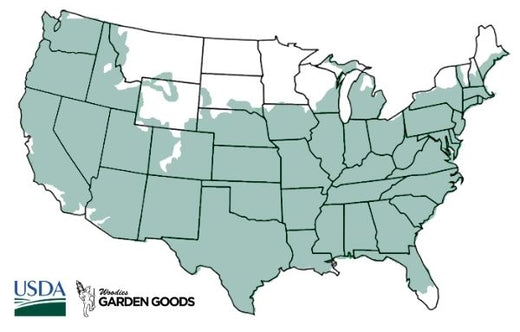
| Hardiness Zone: | 5-9 |
|---|---|
| Mature Height: | 12 to 15 feet |
| Mature width: | 12 to 15 feet |
| Sunlight: | Full sun |
| Soil | Well-drained soil |
| Water | Moderate; water deeply during establishment and dry periods |
| Bloom Time / Color | Spring / pink blossoms |
| Fruit Time / Color | Late summer / golden yellow peaches with red blush |
| Taste / Fruit Use | Sweet, juicy, yellow-fleshed freestone peaches; excellent for fresh eating, baking, canning, and freezing |
| Ornamental Features | Showy spring bloom, dark green foliage, spreading canopy |
| Pollination | Self-pollinating; another peach tree may improve yield |
| Resistance (disease/drought/etc.) | Good home-orchard reliability; best performance with full sun, airflow, and consistent care |
| Landscape Uses | Backyard orchards, edible landscapes, kitchen gardens, sunny specimen planting |
How to Care for Elberta Peach Tree
Before you buy an Elberta Peach Tree, make sure to read about the recommended care instructions to keep this plant healthy and thriving.

How should I plant Elberta Peach Tree?
Plant Elberta Peach Tree in a full-sun location with well-drained soil and enough room for its mature canopy to spread. Dig a hole about twice as wide as the root ball but no deeper than the tree was growing in its nursery container. Set the tree so the original soil line stays level with the surrounding grade, then backfill carefully and water deeply to settle the roots. Add a 2–3 inch mulch layer around the root zone to help conserve moisture and reduce weed competition, but keep mulch pulled back from the trunk. Choosing a sunny site with good airflow is especially important for peaches, since it supports healthier growth, better fruit ripening, and easier long-term maintenance.

How often should I water Elberta Peach Tree after planting?
Water Elberta Peach Tree deeply right after planting so the root zone is fully soaked. During the first growing season, keep the soil evenly moist while the tree establishes, watering deeply often enough that the roots do not dry out during hot or windy weather. Once established, the tree will need less frequent watering, but it still benefits from deep watering during prolonged dry periods and while fruit is developing. The goal is steady moisture rather than soggy soil, which helps support healthier roots, stronger growth, and better fruit quality.

When should I fertilize Elberta Peach Tree?
Fertilize Elberta Peach Tree lightly in spring after the danger of frost has passed and new growth begins. A balanced, extended-release fertilizer is a good fit because it supports healthy growth and fruiting without encouraging weak, overly soft growth later in the season. A second light feeding about 6 to 8 weeks later can help younger trees establish more strongly. Avoid overfertilizing with high-nitrogen products, since too much leafy growth can reduce the balance between canopy growth and fruit production.

When and how should I prune Elberta Peach Tree?
Prune Elberta Peach Tree in late winter while the tree is dormant. This is the best time to remove damaged, crossing, or crowded branches and to shape the canopy so light and air can move through the tree more effectively. Focus on keeping an open, balanced framework that makes the tree easier to manage and harvest. Annual dormant pruning helps improve airflow, supports better fruit quality, and keeps the tree looking tidy and productive over time.