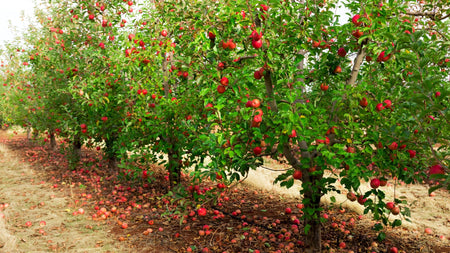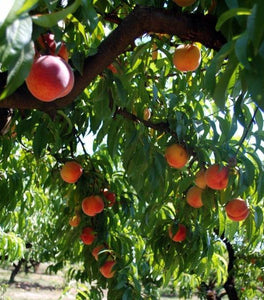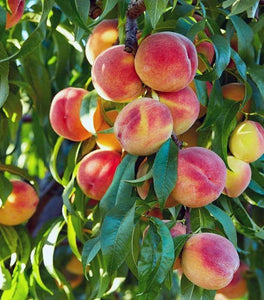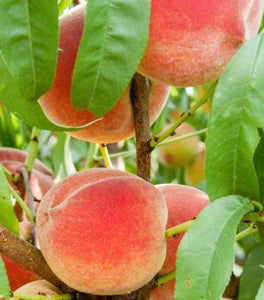


Images Depict Mature Plants
Contender Peach Tree
Prunus persica 'Contender'
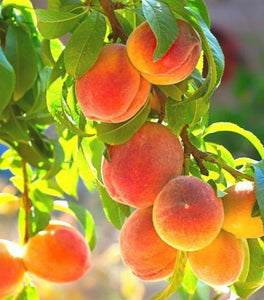
Contender Peach Tree is a really smart choice for homeowners who want a peach tree with a little more resilience built in. The cold hardiness gives it a real advantage, but it is the combination of sweet fruit, freestone convenience, spring bloom, and self-pollinating ease that makes this one such a strong backyard orchard tree. It feels dependable, useful, and genuinely rewarding.

Save Up to 25% On Your Order! Limited Time Only!
Discount Applied Automatically At Checkout
📦 Free shipping on orders over $99.
Delay shipping by leaving us a message at Checkout.
Share:Recommended Add-Ons


Cold Hardy Peaches with Big Backyard Appeal
A peach tree built for broader growing success
Contender Peach Tree is a standout choice for homeowners who want the beauty and reward of homegrown peaches with a little more confidence in colder climates. This variety is especially valued for its cold hardiness, making it a smart fit for gardeners who may have struggled with less resilient peach trees in the past.
That extra adaptability gives Contender a strong appeal in the home landscape. It still offers the classic peach-tree experience with spring flowers, summer fruit, and graceful branching, but with a reputation for being better suited to northern growing conditions than many standard peaches.
Sweet, juicy peaches with real kitchen value
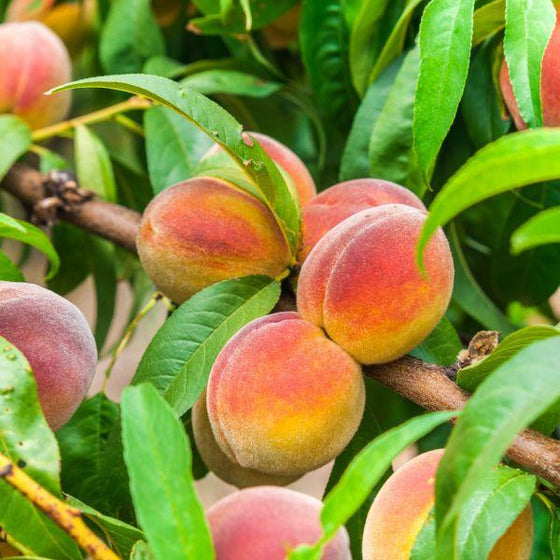
Contender produces sweet, juicy peaches that feel especially satisfying straight from the tree. The fruit is colorful and inviting, with reddish-yellow skin and the kind of ripe summer flavor homeowners want from a backyard orchard tree.
This variety also brings practical value into the kitchen. The peaches are excellent for fresh eating, and they are especially useful for canning and other preserving projects. For homeowners who want a fruit tree that supports both everyday snacking and larger seasonal harvests, Contender is a very rewarding option.
Freestone fruit that is easier to use
One of the most useful features of Contender is its freestone fruit. As the peaches ripen, the flesh separates more easily from the pit, which makes them much easier to prepare for slicing, baking, freezing, and preserving.
That convenience matters for home growers. It turns the harvest into something more versatile and easier to enjoy, especially for homeowners who want to make the most of their summer fruit rather than use it only one way.
A spring-blooming tree with multi-seasonal beauty
Before fruit ever begins to ripen, Contender Peach Tree brings ornamental value to the yard with beautiful pink blossoms in early spring. Those flowers brighten the landscape at the start of the season and help the tree feel like more than just a fruit-producing plant.
After bloom, the tree maintains dark green foliage through the growing season, then shifts into deep yellow fall color. That layered seasonal interest makes Contender especially appealing in edible landscapes and sunny home gardens where appearance matters as much as production.
Self-pollinating and easy to plant with confidence
Contender Peach Tree is self-pollinating, so one tree can produce fruit on its own. That makes it a strong option for homeowners who only have room for a single peach tree but still want a productive backyard harvest.
Even so, adding another peach tree nearby can help increase overall yield. That flexibility makes Contender easy to work into both smaller home landscapes and more developed backyard orchard plans.
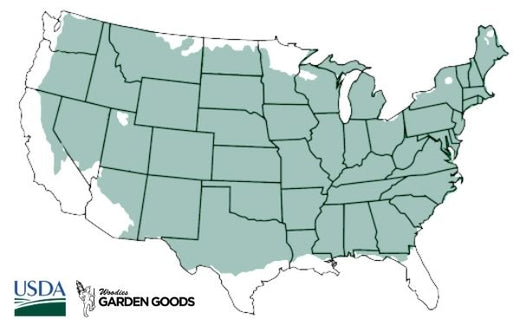
| Hardiness Zone: | 4-8 |
|---|---|
| Mature Height: | 12 to 15 feet |
| Mature width: | 12 to 15 feet |
| Sunlight: | Full sun |
| Soil | Well-drained soil |
| Water | Moderate; water deeply during establishment and dry periods |
| Bloom Time / Color | Early spring / pink blossoms |
| Fruit Time / Color | Summer / reddish-yellow to coral red with warm yellow highlights |
| Taste / Fruit Use | Sweet, juicy, yellow-fleshed freestone peaches; excellent for fresh eating, canning, baking, and freezing |
| Ornamental Features | Pink spring bloom, dark green foliage, deep yellow fall color, rounded crown |
| Pollination | Self-pollinating; another peach tree may improve yield |
| Resistance (disease/drought/etc.) | Strong cold hardiness; good choice for colder peach-growing areas when given full sun and airflow |
| Landscape Uses | Backyard orchards, edible landscapes, kitchen gardens, sunny specimen planting |
How to Care for Contender Peach Tree
Before you buy a Contender Peach Tree, make sure to read about the recommended care instructions to keep this plant healthy and thriving.
-v1775652718148.png?92x91)
How should I plant Contender Peach Tree?
Plant Contender Peach Tree in a full-sun location with well-drained soil and enough room for its mature canopy to spread. Dig a hole about twice as wide as the root ball but no deeper than the tree was growing in its nursery container. Set the tree so the original soil line stays level with the surrounding grade, then backfill carefully and water deeply to settle the roots. Add a 2–3 inch mulch layer around the root zone to help conserve moisture and reduce weed competition, but keep mulch pulled back from the trunk. For peaches, a sunny site with good airflow is especially important because it supports healthier growth, better fruit ripening, and easier long-term maintenance.
-v1775652744697.png?89x84)
How often should I water Contender Peach Tree after planting?
Water Contender Peach Tree deeply right after planting so the root zone is fully soaked. During the first growing season, keep the soil evenly moist while the tree establishes, watering deeply often enough that the roots do not dry out during hot, dry, or windy weather. Once established, the tree will need less frequent watering, but it still benefits from deep watering during prolonged dry stretches and while fruit is developing. Steady moisture helps support healthier roots, stronger growth, and better fruit quality without keeping the soil overly wet.
-v1775652761963.png?90x89)
When should I fertilize Contender Peach Tree?
Fertilize Contender Peach Tree lightly in spring after the danger of frost has passed and new growth begins. A balanced, extended-release fertilizer is a good choice because it supports healthy growth and fruiting without encouraging weak, overly soft late growth. A second light feeding about 6 to 8 weeks later can help younger trees establish more strongly. Avoid overfertilizing with high-nitrogen products, since too much leafy growth can reduce the balance between canopy growth and fruit production.

When and how should I prune Contender Peach Tree?
Prune Contender Peach Tree in late winter while the tree is dormant. This is the best time to remove damaged, crossing, or crowded branches and to shape the canopy so light and air can move through the tree more effectively. Focus on maintaining an open, balanced framework that keeps the tree easier to manage and harvest. Annual dormant pruning helps improve airflow, supports better fruit quality, and keeps the tree looking tidy and productive over time.