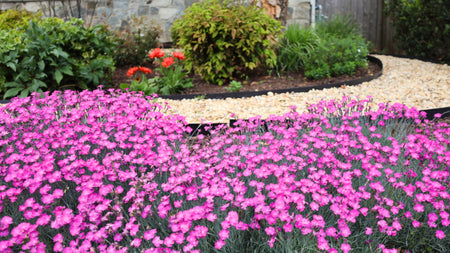
Images Depict Mature Plants
Blue Creeping Mazus
Mazus reptans
Blue Creeping Mazus is my favorite “make it look finished” groundcover. Tiny, tidy, and loaded with spring color right where your eyes land: between stones, along the edge, and in those moist shade pockets that stay stubbornly bare. Give it consistent moisture, then do a quick trim after bloom, and you’ll end up with a clean, green carpet that looks like a designer detail rather than an afterthought.

Save Up to 25% On Your Order! Limited Time Only!
Discount Applied Automatically At Checkout
📦 Free shipping on orders over $99.
Delay shipping by leaving us a message at Checkout.
Share:



Blue Creeping Mazus Groundcover For Spring Color, Stepping Stones, And Moist Shade
A spring carpet of lilac-blue flowers that hugs the ground
Blue Creeping Mazus earns its spot by blooming low and generously, creating a soft carpet of lilac-blue, snapdragon-like flowers in spring. The blooms sit just above the tiny green leaves, so the whole planting looks like it’s been lightly painted with color, especially when used in drifts. It’s a perfect choice for the front edge of beds, around small shrubs, or anywhere you want spring interest without adding height.
The flower show is charming up close, which is why it’s so popular near paths and patios. Those small blooms feel delicate, but the plant itself is surprisingly tough once it’s rooted in. If you want a groundcover that feels refined, not aggressive, and still gives you a real bloom moment in spring, Blue Creeping Mazus is a smart, satisfying pick.
A tidy mat for stepping stones and light foot traffic
This is one of the best “filler” groundcovers for spaces between stepping stones, pavers, and edging stones because it stays very low and knits into a dense mat. It tolerates gentle foot traffic, especially once established, and it bounces back well when planted in the right conditions. The foliage makes a clean green base that softens hardscape lines and replaces bare mulch gaps with living texture.
Design-wise, it’s a problem-solver: it fills awkward, narrow strips, smooths transitions between stone and soil, and keeps planting areas looking finished. Use it along walkways, at the edge of a rock garden, or as a small-scale lawn alternative in tiny pockets where mowing is annoying. The key is spacing it correctly so it can knit together without leaving open patches.
Moisture-friendly performance for shade borders and rain-garden edges
Blue Creeping Mazus prefers consistently moist soil and performs beautifully in bright shade to part shade, especially where other groundcovers struggle to look lush. It’s a strong choice for woodland edges, under open-canopy trees, and the cooler parts of the yard that stay evenly damp. It can also handle medium-to-wet conditions as long as water doesn’t pool around the roots for long periods.
This is not a “plant it dry and forget it” groundcover. If your site dries out hard in summer, Mazus will sulk and thin. But if you can offer steady moisture (and decent drainage), it rewards you with thicker coverage, better bloom, and a more polished, weed-suppressing mat.
Easy finishing touches that keep it dense and crisp
Blue Creeping Mazus looks its best with one simple habit: a light trim after flowering. Snipping or shearing the patch gently removes spent blooms, encourages fresh foliage, and keeps the mat tighter and more uniform. It’s a quick, low-effort move that makes the planting look intentionally maintained, especially between stones or along a border edge.
Spacing and edging do the rest. Plant it at a sufficient density to knit together, then let it creep and root at the nodes to fill gaps naturally. If it wanders into places you don’t want it, it’s easy to pull back or edge cleanly. With moisture, a little post-bloom cleanup, and smart spacing, Blue Creeping Mazus becomes the kind of groundcover you use again and again.
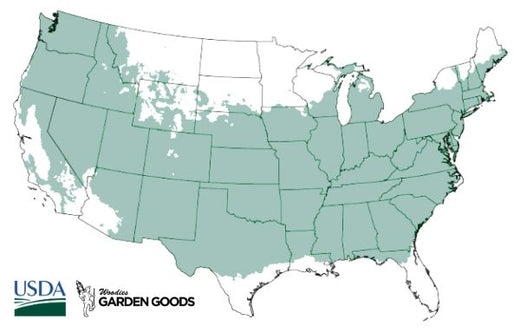
| Hardiness Zone: | 5-8 |
|---|---|
| Mature Height: | 2 to 4 inches |
| Mature Width: | 12 to 24 inches |
| Sunlight: | Full sun to part shade |
| Bloom Time / Color: | Mid-spring to early summer; lilac-blue with a lighter throat |
| Soil Condition: | Moist, rich, well-drained to moisture-retentive; tolerates wetter soils with drainage |
| Water Requirements: | Moderate; prefers consistent moisture |
| Wildlife Value | Spring blooms can attract small pollinators |
| Resistance | Generally deer resistant; foot-traffic tolerant; not drought tolerant |
| Landscape Uses | Between stepping stones, edging, rock gardens, small lawn substitute areas, moist shade borders, slopes/banks |
How to Care for Blue Creeping Mazus
After purchasing your Creeping Mazus, be sure to read our recommended care instructions to ensure this perennial groundcover is happy and healthy for years to come.

How should I plant Blue Creeping Mazus?
Plant Blue Creeping Mazus in full sun to part shade in soil that stays consistently moist but drains well. Dig a shallow hole just wider than the root ball, set the plant level with the surrounding soil, backfill, and water thoroughly to settle the roots. Finish with a light mulch layer around (not on top of) the crown to help hold moisture while allowing airflow. For stepping stones, plant in pockets of soil between stones so roots can spread outward and knit together. For groundcover beds, lay plants out first so spacing is even—consistent layout is what creates that clean “carpet” look once it fills in.

How often should I water Blue Creeping Mazus after planting?
Water deeply right after planting, then keep the soil evenly moist for the first 6–8 weeks. In most gardens, a deep soak once per week works well, increasing to 1–2 times per week during warm, dry stretches or when tree roots compete for moisture. Water at the base so moisture reaches roots without keeping foliage constantly wet. Once established, Blue Creeping Mazus still prefers consistent moisture, especially through late spring and summer. If the patch dries out repeatedly, it can thin, so mulch and occasional deep watering during dry spells help it stay dense and attractive.

When should I fertilize Blue Creeping Mazus?
Fertilize lightly in early spring, as growth begins, with compost or a balanced, slow-release fertilizer. Mazus responds well to organic matter because it supports steady growth and helps the soil hold moisture more evenly. Avoid heavy feeding, which can push soft growth that’s less tidy in high-traffic areas. A modest spring boost and consistent moisture usually produce the best-looking mat and the most reliable spring bloom.

When and how should I prune Blue Creeping Mazus?
After flowering, shear or trim the patch lightly to remove spent blooms and encourage fresh foliage. This keeps the mat dense and helps it look crisp between stepping stones and along edging where clean lines matter. If the plant creeps into areas you don’t want it, edge it back with a spade or simply pull the wandering stems—mazus roots shallowly and is easy to control. The best routine is simple: one post-bloom trim and occasional edging as needed.