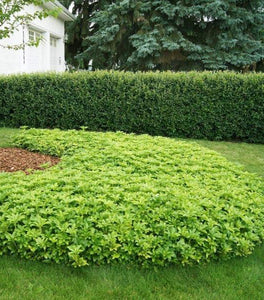
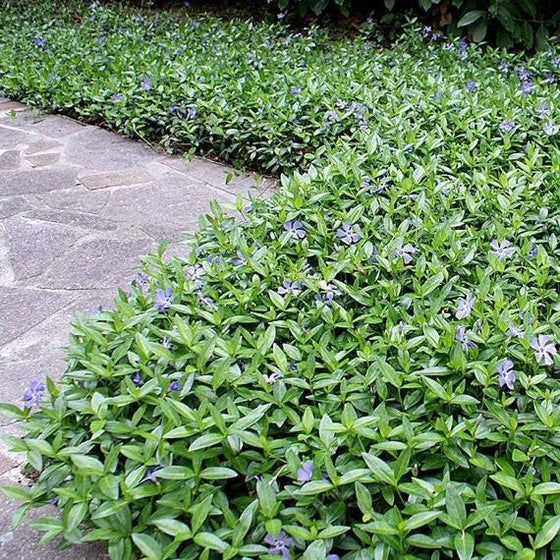
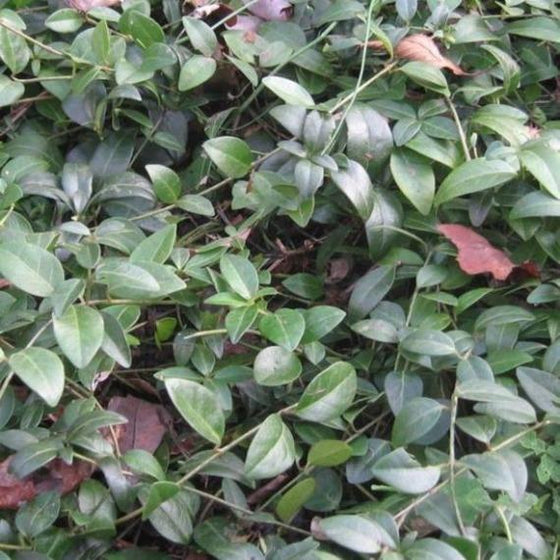


Images Depict Mature Plants
Vinca minor
Vinca minor
Vinca minor is a practical choice when you want an evergreen groundcover that also gives you blue spring flowers. I like it for shaded slopes, underplanting shrubs, and larger managed beds where coverage matters. Use the 4-inch pot for small jobs and containers, and use the flat of 50 for larger areas to cover efficiently. Give it prepared soil, water it well while it establishes, and keep the edges trimmed so the bed stays clean.

15% OFF SITEWIDE, USE CODE 'FALLPLANT15'
📦 Free shipping on orders over $99.
Delay shipping by leaving us a message at Checkout.
Share:



Evergreen Flowering Groundcover for Shade, Slopes, and Larger Planting Projects
Vinca Minor Creates Evergreen Coverage with Spring Blue Flowers
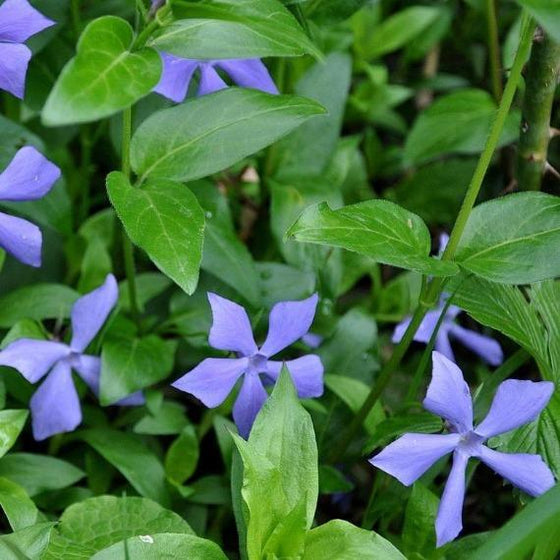
Vinca minor, commonly called Common Periwinkle or Creeping Myrtle, is a low-growing evergreen groundcover valued for glossy green foliage and cheerful violet-blue flowers in spring. It creates a dense mat of trailing stems that root as they spread, helping cover bare soil and bring year-round texture to shaded or partially shaded landscape beds.
Unlike many groundcovers grown only for foliage, Vinca minor adds seasonal flower color as well. The blooms appear most heavily in spring, with occasional scattered flowers possible later in the season. This makes it a useful choice when homeowners want dependable evergreen coverage with a softer, more decorative look than plain green groundcover.
A Shade-Tolerant Groundcover for Slopes, Beds, and Underplanting
Vinca minor is especially useful in part shade to full shade, where turfgrass and many flowering perennials struggle. It works well beneath open-canopy trees, along shaded walkways, around shrubs, on banks, and in difficult areas where a low, spreading plant is needed to help cover soil.
Once established, Vinca minor forms a thick carpet that helps give the landscape a finished appearance. It can also help stabilize soil on gentle slopes and reduce exposed bare ground in managed beds. For the best look, plant in prepared soil, water well during establishment, and trim the edges as needed once the planting fills in.
Glossy Evergreen Leaves for Year-Round Texture
The foliage is one of the biggest reasons gardeners choose Vinca minor. Its small, smooth, glossy green leaves remain attractive throughout much of the year, adding color and texture to shaded beds even when many perennials are dormant.
Vinca minor stays low, commonly around 4 to 6 inches tall, while spreading outward by trailing stems. That low profile makes it useful around taller shrubs and perennials, as long as it is maintained so it does not crowd the crowns of neighboring plants. It also works well spilling over walls, raised beds, and containers.
Low Maintenance Once Established, with Simple Seasonal Care
Vinca minor is generally considered deer-resistant and rabbit-resistant, making it a practical groundcover for properties where browsing can be an issue. It is also drought-tolerant once established, although it looks best with moderate moisture during extended dry periods.
Good bed preparation makes a big difference. Remove weeds before planting, loosen compacted soil, and mulch lightly between new plants until they fill in. Once the groundcover is established, prune or edge the planting after flowering or during the growing season to keep it neat, dense, and within the area you want covered.
Choose a 4-Inch Pot or a Flat of 50 Vinca Plants Based on Project Size
Choose the 4-inch pot when you need a small number of Vinca minor plants for containers, replacement spots, small edging areas, or a limited groundcover patch. A 4-inch pot gives you a more established individual plant that is easy to place into a planter, tuck into a smaller bed, or use where only a few plants are needed.
The flat of 50 plants is designed for larger groundcover projects that require more plants at a lower cost per plant. Each flat includes 50 individual 2-inch-by-2-inch peat pots for direct planting in the ground, saving time during installation and reducing transplant disturbance. These smaller peat-pot plants are ideal when you are planting a bank, slope, shaded bed, or broad groundcover area and want to space many plants evenly for faster coverage. For best results, prepare the soil first, lay out the plants before planting, water the flat well before installation, plant each peat pot level with the surrounding soil, and water thoroughly after planting so the young Vinca minor roots settle into the ground.
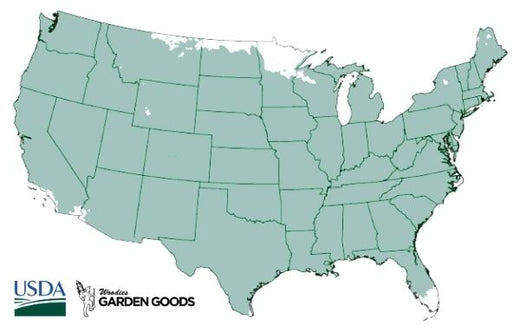
| Botanical Name | Vinca minor |
|---|---|
| Hardiness Zone: | 4-9 |
| Mature Height: | 3 to 6 Inches |
| Mature Width: | 18 Inches |
| Sunlight: | Part shade to full shade preferred; tolerates some sun with adequate moisture |
| Soil | Average, moist, well-drained soil; adaptable once established |
| Water Requirements: | Water regularly during establishment; low to moderate water needs once established |
| Bloom Time / Color | Spring; violet-blue to lavender-blue flowers, with occasional later bloom possible |
| Ornamental Features | Evergreen foliage, violet-blue spring flowers, dense spreading habit, low groundcover texture |
| Wildlife Value | Spring flowers may be visited by bees and other pollinators |
| Resistance | Generally considered deer resistant and rabbit resistant; drought tolerant once established |
| Landscape Uses | Managed groundcover beds, shaded slopes, under trees, walkway edges, shrub underplanting, containers, erosion-control plantings |
How to Care for Vinca minor
Before you buy a Vinca Minor Plant, make sure to read about the recommended care instructions to keep your plants healthy and thriving.

How should I plant Vinca minor?
Plant Vinca minor in part shade to full shade with average, well-drained soil. Prepare the planting area by removing weeds, loosening compacted soil, and adding compost if the soil is poor. Set each plant so the crown is level with the surrounding soil, then backfill and water thoroughly. For groundcover use, space plants about 8 to 12 inches apart depending on how quickly you want coverage. Flats of smaller peat-pot plants are best installed after the bed is fully prepared, because even spacing is easier before planting begins. Keep the planting edged and maintained as it fills in.

How often should I water Vinca minor after planting?
Water Vinca minor deeply after planting, then keep the soil evenly moist while the roots establish. Smaller peat-pot plants may need more consistent attention at first because they have less soil volume around the roots. Once established, Vinca minor is drought-tolerant and usually performs well with low to moderate watering. During extended dry spells, especially on slopes or beneath trees, occasional deep watering helps keep the foliage fresh and the planting dense.

When should I fertilize Vinca minor?
Fertilize Vinca minor lightly in early spring if growth is weak or the soil is poor. A modest application of balanced slow-release fertilizer or a light topdressing of compost is usually enough to support healthy foliage and flowering. Avoid heavy fertilizing. Vinca minor is naturally vigorous, and too much fertilizer can encourage fast, leafy growth that requires more pruning. In most established groundcover beds, annual compost or leaf mulch is enough.

When and how should I prune Vinca minor?
Prune or shear Vinca minor after the main spring bloom if you want to tidy the bed and encourage denser growth. You can also edge the planting during the growing season to keep it out of lawns, walkways, planting pockets, and nearby perennials. For larger established beds, a high mower setting or string trimmer may be used carefully in early spring to refresh overgrown foliage before new growth expands. Avoid cutting too low into the crowns, and clean up heavy debris so airflow improves through the groundcover.