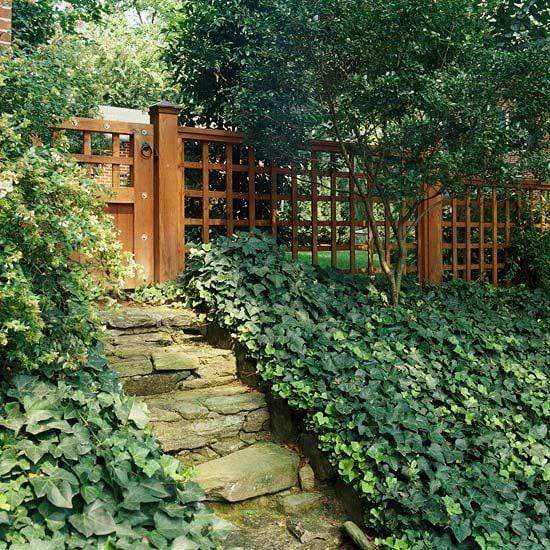

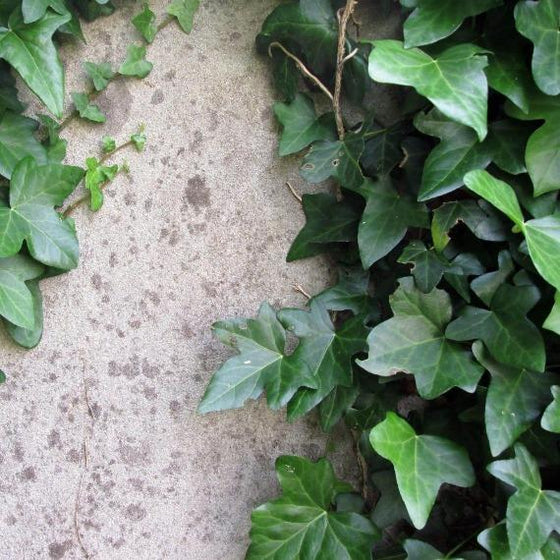


Images Depict Mature Plants
English Ivy
Hedera helix
English Ivy is useful when you need fast evergreen coverage in shade, especially for a managed groundcover bed or larger slope project. The key word is managed. Plant it where you can keep it contained, prune it before it wanders, and use the flat of 50 when you have a larger area to cover efficiently. If you want quick coverage and are willing to maintain the edges, English Ivy can do the job well.

20% OFF SITEWIDE SALE
Use Code 'OCTOBER20' At Checkout
📦 Free shipping on orders over $99.
Delay shipping by leaving us a message at Checkout.
Share:


Evergreen Ivy Groundcover for Shade, Slopes, Containers, and Large Planting Projects
English Ivy Creates Fast Evergreen Coverage in Shade
English Ivy is a classic evergreen groundcover grown for its glossy green foliage, spreading habit, and ability to cover bare soil in shaded areas. Also known as Hedera helix or Common Ivy, it forms a dense mat of foliage that can help soften hard edges, cover difficult slopes, and bring year-round green color to low-light areas of the landscape.
This is a vigorous plant, which is both its biggest strength and its biggest management need. English Ivy is best used where fast coverage is desired and where it can be contained, monitored, and pruned as needed. It is especially useful for managed groundcover beds, containers, slope plantings, and areas where slower groundcovers may take too long to fill in.
A Shade-Tolerant Groundcover for Difficult Planting Areas
English Ivy is valued for its ability to grow in part shade to full shade, making it useful under open-canopy trees, along shaded foundations, on banks, and in beds where turfgrass struggles. Once established, it can create a thick evergreen cover that helps reduce exposed soil and gives the landscape a finished look.
It also tolerates a range of soil types as long as the site is not waterlogged. For best results, plant English Ivy in average, well-drained soil and water regularly while the roots establish. After the planting fills in, regular trimming along bed edges helps keep the groundcover neat and within its intended space.
Use English Ivy Where It Can Be Contained and Maintained
English Ivy spreads by rooting stems and can climb when it reaches trees, fences, walls, or other vertical surfaces. For that reason, it should be planted where it can be managed responsibly and kept within its intended space.
Prune or edge the planting regularly to prevent unwanted spread. If vines begin climbing trees, walls, fences, or nearby plants, remove them early before stems become thick and woody. English Ivy can be attractive and useful in the right managed setting, but it should not be treated as a plant-it-and-forget-it groundcover.
Evergreen Texture for Containers, Borders, and Groundcover Beds
English Ivy can also be used in containers, window boxes, and mixed planters, where its trailing foliage spills over the edge and adds year-round texture. Container use is a good option for gardeners who like the look of ivy but want easier control over its growth.
In the landscape, it pairs well with shade-tolerant shrubs, ferns, hostas, hellebores, and other plants with bold foliage. Its small, glossy leaves create a fine-textured carpet beneath larger plants, but it should be trimmed back before it crowds crowns, stems, or low branches.
Choose a 4-Inch Pot or a Flat of 50 Plants Based on Project Size
Choose the 4-inch pot when you need a small number of English Ivy plants for containers, replacement spots, small edging areas, or a limited groundcover patch. A 4-inch pot gives you a more established individual plant that is easy to place into a planter or tuck into a smaller garden space.
The flat of 50 plants is designed for larger groundcover projects that require more plants at a lower cost per plant. Each flat includes 50 individual 2-inch-by-2-inch peat pots for direct planting in the ground, saving time during installation and reducing transplant disturbance. These smaller peat-pot plants are ideal when you are planting a bank, slope, shaded bed, or broad groundcover area and want to space many plants evenly for faster coverage. For best results, prepare the soil first, lay out the plants before planting, water the flat well before installation, plant each peat pot level with the surrounding soil, and water thoroughly after planting so the young ivy roots settle into the ground.
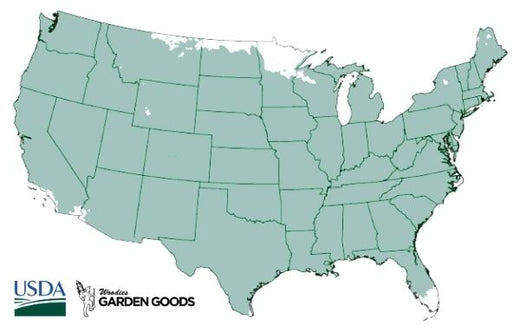
| Hardiness Zone: | 4-9 |
|---|---|
| Mature Height: | Commonly 4 to 9 inches tall as a groundcover; |
| Mature Width: | 4 to 5 Feet as a groundcover |
| Sunlight: | Part shade to full shade preferred; tolerates sun in some climates with adequate moisture |
| Soil | Average, well-drained soil; adaptable but avoid waterlogged conditions |
| Water | Water regularly during establishment; moderate moisture preferred |
| Bloom Time / Color | Inconspicuous greenish-white flowers on mature adult growth |
| Ornamental Features | Evergreen foliage, dense groundcover, trailing habit, climbing habit, year-round texture |
| Wildlife Value | Mature flowers and berries may be used by wildlife in some regions |
| Resistance | Generally considered deer resistant; shade tolerant; useful for managed erosion-control plantings |
| Landscape Uses | Managed groundcover beds, slopes, containers, trailing planters, shaded areas, erosion-control plantings |
| Spacing | Space about 12 inches apart for groundcover coverage; adjust spacing based on project budget and desired fill-in speed |
How to Care for English Ivy
Before you buy a English Ivy, make sure to read about the recommended care instructions to keep this plant healthy and flourishing.

How should I plant English Ivy?
Plant English Ivy in part shade to full shade with average, well-drained soil. Prepare the planting area by removing weeds, loosening compacted soil, and adding compost if the soil is poor. Set each plant so the crown is level with the surrounding soil, then backfill and water thoroughly. For groundcover use, space plants about 12 inches apart for faster coverage. Flats of smaller peat-pot plants are best installed after the bed is fully prepared, because even spacing is easier before planting begins. Keep English Ivy away from tree trunks, natural woodland edges, and structures unless you plan to monitor and prune it regularly.

How often should I water English Ivy after planting?
Water English Ivy deeply after planting, then keep the soil evenly moist while the roots establish. Because young ivy plants are shallow-rooted at first, they may need regular watering during the first few weeks, especially in warm or dry weather. Once established, English Ivy is more tolerant of short dry periods, but it performs best with moderate moisture. Avoid constantly soggy soil, which can lead to root problems, and water at the soil level when possible to reduce leaf disease pressure.

When should I fertilize English Ivy?
Fertilize English Ivy lightly in early spring if growth is weak or the soil is poor. A modest application of balanced slow-release fertilizer or a topdressing of compost is usually enough for healthy foliage growth. Avoid heavy fertilizing, especially in areas where you want to keep growth controlled. English Ivy is naturally vigorous, and too much fertilizer can encourage faster spreading that requires more pruning.

When and how should I prune English Ivy?
Prune English Ivy as needed during the growing season to keep it within bounds. Use shears, pruners, or a string trimmer to edge beds and remove vines that are spreading into lawns, paths, nearby plants, tree trunks, walls, fences, or natural areas. For large groundcover beds, light trimming in spring can refresh the planting and remove winter-damaged foliage. Do not allow English Ivy to climb trees or structures unchecked. Remove climbing stems early while they are still manageable.