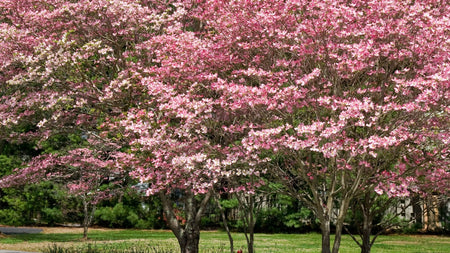
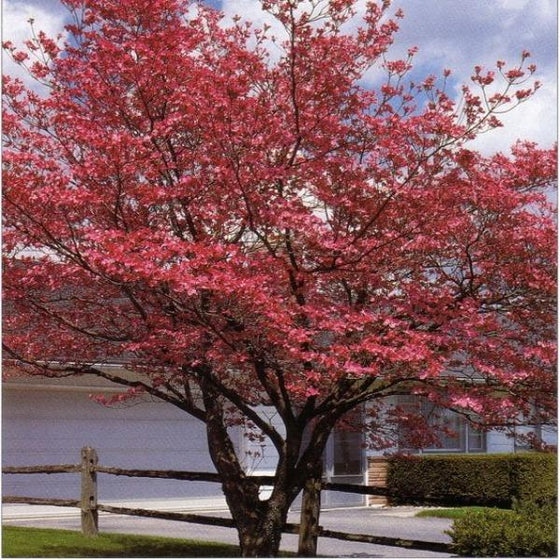
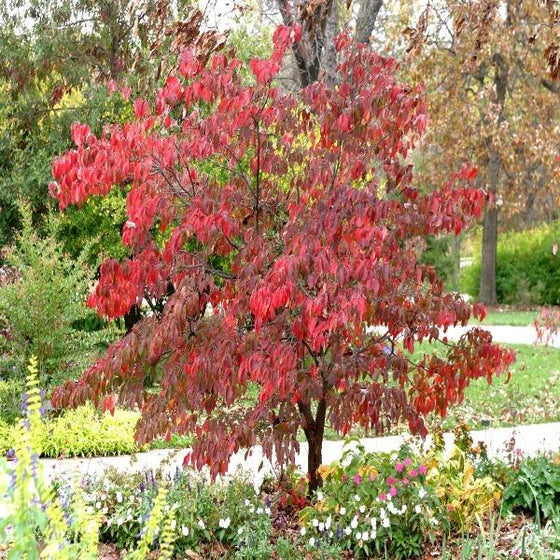


Images Depict Mature Plants
Cherokee Brave Dogwood
Cornus florida 'Comco No. 1'
Cherokee Brave Dogwood is a wonderful choice for gardeners who love the classic shape and character of native flowering dogwood but want a little more drama in spring. The bloom color feels rich and memorable, the fall color is strong, and the red fruit gives it extra value for wildlife and seasonal interest. For homeowners looking for a pink flowering dogwood tree, a front-yard specimen, or an ornamental tree for part shade with real four-season beauty, this is a standout selection.

20% OFF SITEWIDE WEEKEND FLASH SALE
Use Code 'FALLFLASH20' At Checkout
📦 Free shipping on orders over $99.
Delay shipping by leaving us a message at Checkout.
Share:


A Bold Pink Flowering Dogwood With Native Beauty And Four-Season Appeal
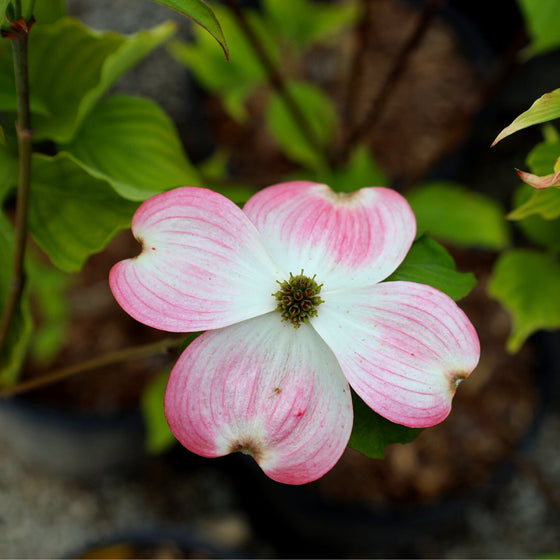
Deep Pink Spring Blooms With A Distinctive White Center
Cherokee Brave Dogwood brings a richer, more dramatic spring look to the landscape than the classic white dogwood many homeowners already know. Its large bracts open in shades of deep pink to red-pink with a paler center, creating a two-tone effect that feels both elegant and eye-catching. When the tree is in bloom, it immediately draws attention near front walks, patios, woodland borders, and foundation plantings where a flowering specimen can carry the season.
Because Cherokee Brave is a cultivar of native flowering dogwood, it keeps the graceful branching and familiar shape gardeners love while adding a bolder bloom color. It has the charm of a traditional dogwood, but with a more vivid spring presence. For homeowners seeking a pink-flowering dogwood tree that feels timeless rather than trendy, this is a beautiful choice.
A Four-Season Ornamental Tree With Color Beyond Spring
The spring display is the headline feature, but Cherokee Brave Dogwood stays valuable in the landscape long after flowering ends. In summer, the tree settles into a refined canopy of green foliage that helps cool the look of mixed borders and softens hard edges around homes and outdoor living spaces. Later in the season, red berries add another layer of interest while also helping support birds and wildlife.
Fall is especially rewarding on this variety, with foliage that can shift into burgundy, scarlet, or rich red-purple tones depending on conditions. Even in winter, the tree's layered horizontal branching gives it structure and presence. That combination of bloom, fruit, fall color, and branching habit makes Cherokee Brave Dogwood a true four-season ornamental tree rather than a one-season showpiece.
A Great Fit For Front Yards, Woodland Edges, And Accent Planting
Cherokee Brave Dogwood works best when viewed as a featured ornamental tree rather than crowded into a tight planting. It is a strong choice for front-yard focal points, lawn islands, woodland garden transitions, and accent planting near patios or entry beds. Its mature size makes it large enough to create impact but still manageable for residential properties where a full-size shade tree would be too dominant.
This tree also blends beautifully into layered plantings with evergreen shrubs, ferns, hellebores, azaleas, hydrangeas, and other part-shade companions. Because it naturally fits understory and woodland-edge settings, it helps create landscapes that feel mature, balanced, and regionally appropriate. It is especially effective where morning sun and afternoon shade support its foliage and help reduce site stress during summer heat.
A Native-Style Flowering Tree That Rewards Thoughtful Placement
Cherokee Brave Dogwood is easy to appreciate and relatively simple to maintain when planted in the right conditions. It performs best in moist, well-drained, slightly acidic soil with organic matter and benefits from a mulch ring that keeps the root zone cooler and more evenly moist. Once established, it offers dependable seasonal beauty without the need for constant trimming or complicated care.
Like other flowering dogwoods, this tree responds best to thoughtful siting from the start. Good drainage, proper spacing, and protection from harsh reflected heat all improve long-term performance. Cherokee Brave is also noted for better drought tolerance than many flowering dogwood cultivars, which adds to its appeal for homeowners who want ornamental value and native character with a little extra resilience.
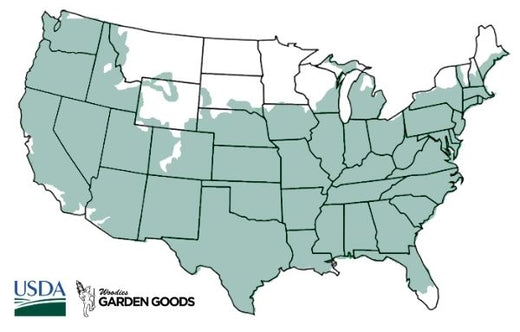
| Hardiness Zone: | 5-9 |
|---|---|
| Mature Height: | 20 to 30 Feet |
| Mature Width: | 15 to 30 Feet |
| Sunlight: | Full sun to part shade; best with morning sun and afternoon shade in warmer climates |
| Bloom Time / Color | Early to mid spring; deep pink to red-pink bracts with a pale or white center |
| Soil Condition: | Moist, well-drained, slightly acidic, fertile soil |
| Water Requirements: | Moderate; keep evenly moist during establishment, then water during dry periods |
| Wildlife Value | Supports pollinators and provides red fruit for birds |
| Resistance (deer/disease/drought/etc.) | Reported improved drought tolerance compared with many flowering dogwood cultivars; deer browsing can occur |
| Landscape Uses | Specimen tree, front yard accent, woodland edge, native garden, wildlife planting, patio-view focal point |
How to Care for Cherokee Brave Dogwood
Be sure to read our planting instructions to ensure a healthy and happy Cherokee Brave Dogwood for years to come!

How should I plant Cherokee Brave Dogwood?
Plant Cherokee Brave Dogwood in a location with good drainage and enough space for the tree to develop its broad, layered canopy. A site with morning sun and light afternoon shade is often ideal, especially in warmer climates, and spacing it about 15 to 20 feet away from structures or large neighboring plants will help it keep its natural form. Dig a hole two to three times as wide as the root ball but no deeper than the root ball itself. Set the tree so the root flare sits at or slightly above grade, then backfill with native soil and water deeply to settle the roots. Finish with a 2- to 3-inch mulch layer around the planting zone, keeping it a few inches away from the trunk to prevent excess moisture and bark stress.

How often should I water Cherokee Brave Dogwood after planting?
Water Cherokee Brave Dogwood deeply and consistently during the first growing season so the root system can establish evenly. In most landscapes, that means deep watering once or twice a week, depending on rainfall, heat, and soil type, with the goal of keeping the soil moist but never waterlogged. After establishment, this dogwood is more adaptable and is often noted for having better drought tolerance than many other flowering dogwood cultivars. Even so, it still performs best when it does not go through repeated dry stress. During hot weather or extended drought, a slow deep watering is much better than frequent shallow irrigation.

When should I fertilize Cherokee Brave Dogwood?
Fertilize Cherokee Brave Dogwood lightly in early spring if the soil is poor or if the tree needs help with vigor and overall growth. A balanced slow-release fertilizer for trees and shrubs is usually enough, and many gardeners will find that adding compost around the root zone is just as helpful for long-term performance. Avoid overfeeding with high-nitrogen fertilizers, since too much fast growth can weaken the plant’s balance and reduce flowering quality. Dogwoods generally respond better to healthy soil, mulch, and even moisture than to aggressive feeding, so a moderate approach is the best one.

When and how should I prune Cherokee Brave Dogwood?
Prune Cherokee Brave Dogwood in late winter or very early spring before new growth begins if you need to remove dead, damaged, or crossing branches. Light structural pruning helps maintain airflow and supports the natural layered branching that makes flowering dogwoods so attractive. Because dogwoods bloom on older wood, heavy pruning can reduce the spring flower display. Keep cuts selective and minimal, focusing on cleanup and branch correction rather than reshaping the entire tree. If any light cosmetic shaping is needed after flowering, keep it modest so the tree retains its graceful habit.