


Images Depict Mature Plants
Burgundy Hearts Redbud
Cercis canadensis 'Greswan'
I love Burgundy Hearts Redbud Tree because it gives you two kinds of “wow” in one plant: the rosy-pink spring bloom show, and then that deep burgundy, heart-shaped foliage that keeps the landscape looking intentional all summer. It’s the right size for real-life yards, it feels upscale without being fussy, and it’s one of the easiest ways to make a front yard look like someone with taste planned it.

Save Up to 25% On Your Order! Limited Time Only!
Discount Applied Automatically At Checkout
📦 Free shipping on orders over $99.
Delay shipping by leaving us a message at Checkout.
Share:



Burgundy Hearts Redbud Tree for Pink Spring Blooms and Burgundy Foliage
A Spring Flower Show That Stops Traffic
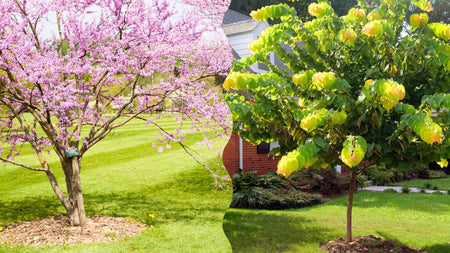
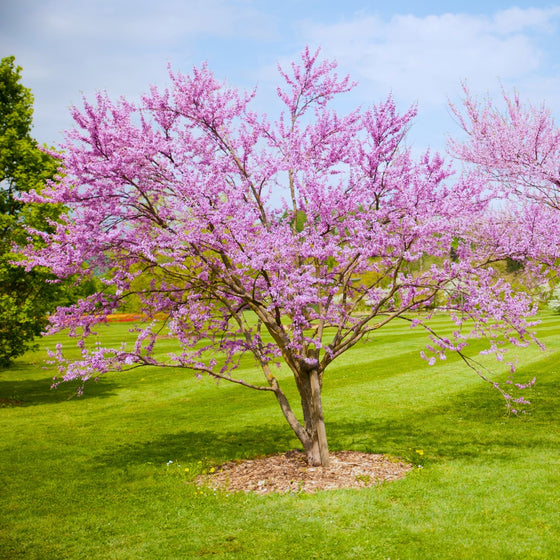
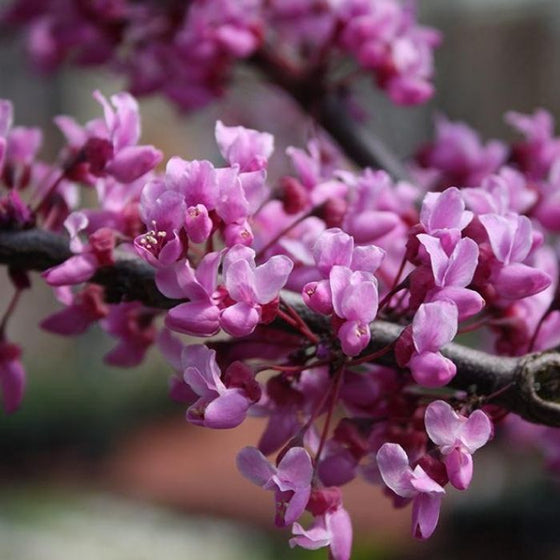
Burgundy Hearts Redbud Tree is one of those spring bloomers that feels like a celebration—clusters of rosy-pink flowers pop along bare branches before the leaves even arrive. That timing is the magic: when the rest of the landscape is still waking up, your redbud is already putting on a full display. It’s a perfect “first big color” tree for front yards, patios, and street-side plantings where you want that early-season wow moment without needing a massive tree.
Because the blooms are held right on the branches, the tree reads as covered in color rather than just dotted with flowers. It also plays beautifully with classic spring companions—daffodils, hellebores, Virginia bluebells, and early azaleas—creating a layered look that feels intentional and mature. If you want a flowering tree that delivers a real spring event (not a subtle hint), Burgundy Hearts earns its place fast.
Burgundy Heart-Shaped Leaves That Keep The Color Coming
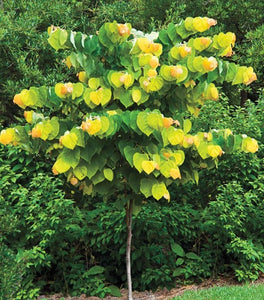
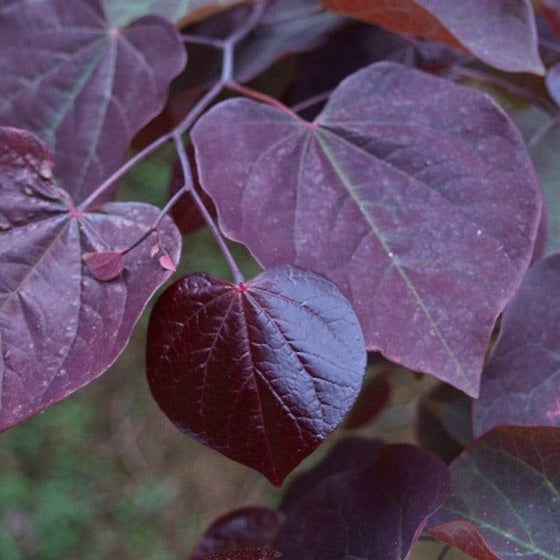
After the blooms, Burgundy Hearts shifts into its second act: glossy, heart-shaped leaves with rich burgundy tones that bring bold contrast to green landscapes. The foliage color is the reason this variety feels “designer”—it’s not just a flowering tree, it’s a foliage tree too. That means you get months of interest, not just a few weeks in spring, and it’s especially powerful when you plant it near lighter greens, gold shrubs, or silver-blue evergreens.
Leaf color is always influenced by sun and heat, but Burgundy Hearts is known for holding strong color through the growing season, with fresh new growth often emerging with deeper tones. In brighter light, the canopy looks more saturated and vibrant; in part shade, it can read softer and more nuanced. Either way, you’re getting an ornamental redbud that brings structure, color, and texture in one tidy, manageable package.
A Manageable Small Tree That Fits Real Yards
One of the best things about Burgundy Hearts is the size: it’s large enough to matter, but not so large it overwhelms a home landscape. Expect a mature tree in the neighborhood of 15–20 feet tall and wide, making it ideal for small lawns, foundation offsets, and mixed ornamental beds where you want a canopy without the commitment of a huge shade tree. It works as a specimen, as a focal point near a patio, or as a soft privacy element when placed to block a view without building a wall.
This tree also has a naturally pleasing form—upright with a rounded canopy—so it looks good even if you never touch pruners beyond basic cleanup. Because the footprint is predictable, it’s easy to place: give it room to spread, keep it away from rooflines, and let the canopy develop into a clean, symmetrical silhouette. For homeowners who want “tree impact” without “tree headaches,” this is a smart, confidence-building choice.
Simple Care And Smart Placement For Long-Term Success
Burgundy Hearts Redbud grows best in well-drained soil with full sun to partial shade. Morning sun with a bit of afternoon protection can be a sweet spot in hotter climates, while full sun helps maximize flowering and foliage color in many regions. The biggest care win is watering correctly during establishment: deep, consistent soaking encourages stronger roots and reduces stress that can lead to leaf scorch or slowed growth.
Pruning is minimal and best kept light. Redbuds bloom on older wood, so the goal is to shape gently, remove damaged or crossing branches, and maintain airflow—not to shear it hard. Do structural pruning in late winter while the tree is dormant, and avoid heavy cutting late in the season. With good drainage, sensible watering, and a little breathing room, Burgundy Hearts becomes the kind of ornamental tree that looks high-end but lives easy.
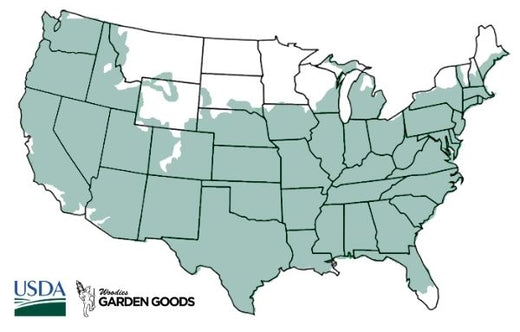
| Hardiness Zone: | 5-9 |
|---|---|
| Mature Height: | 15 to 20 feet |
| Mature Width: | 15 to 20 feet |
| Sunlight: | Full sun to part shade |
| Foliage Color: | Burgundy |
| Bloom Time / Color: | Early spring; rosy-pink to pink-lavender flowers |
| Soil Condition: | Moist, well-drained; adaptable (including clay) with drainage |
| Water Requirements: | Medium; deep regular watering first season, then as needed |
| Wildlife Value | Early-season nectar for bees; supports beneficial insects; cover for songbirds |
| Resistance | Deer tolerant; moderate drought tolerance once established; best health with airflow and drainage |
| Landscape Uses: | Specimen tree, front-yard focal point, patio tree, ornamental border anchor, spring color, small-yard shade |
How to Care for Burgundy Hearts Redbud
Be sure to read our planting instructions to ensure a healthy and happy Burgundy Hearts Redbud Tree for years to come!
-v1745699088386.png?92x91)
How should I plant Burgundy Hearts Redbud Tree?
Choose a planting site with full sun to part shade and soil that drains well after rain. Dig a hole 2–3 times wider than the root ball but no deeper than the root ball itself, and set the tree so the top of the root flare sits at or slightly above the surrounding soil. Backfill with your native soil, water deeply to settle, and avoid burying the trunk with extra soil. Create a wide mulch ring 2–3 inches deep to protect roots and hold moisture, keeping mulch a few inches away from the trunk. If your soil is heavy clay, plant slightly high and focus on drainage and mulch rather than adding lots of amendments in a small pocket. A well-placed, properly planted redbud establishes faster and stays healthier for the long haul.
-v1745699121830.png?89x84)
How often should I water Burgundy Hearts Redbud Tree after planting?
Water deeply right after planting, then keep a steady rhythm through the first growing season. A good baseline is a deep soak once per week, increasing to twice per week during hot, dry stretches. The goal is to wet the root zone thoroughly so roots expand outward, not to keep the surface constantly damp. In year two, water during extended dry spells, especially in summer heat or windy sites. Once established, Burgundy Hearts is more drought-tolerant, but it will look better and grow more consistently with occasional deep watering when rainfall is scarce. Always prioritize deep soaking at the base over frequent light sprinkling.
-v1745699148651.png?90x89)
When should I fertilize Burgundy Hearts Redbud Tree?
Fertilize in early spring as growth begins, using a balanced, slow-release fertilizer at label rates. If your soil is reasonably fertile, you can keep feeding light—redbuds often perform beautifully with good mulch and compost top-dressing rather than heavy fertilization. Avoid high-nitrogen fertilizer if you’re chasing blooms, because excess nitrogen can push leafy growth at the expense of flowers. If growth seems weak or leaf color looks off year after year, a soil test is the fastest way to dial in what the tree actually needs, especially around pH and nutrient balance.

When and how should I prune Burgundy Hearts Redbud Tree?
Prune in late winter while the tree is dormant to remove dead, damaged, or crossing branches and to improve structure and airflow. Keep cuts selective and light—this is a naturally attractive small tree, and over-pruning can reduce flowering because redbuds bloom on older wood. Avoid heavy pruning in late summer or fall, which can encourage tender new growth that doesn’t harden off before winter. If you need to tidy after bloom, keep it minimal and focus on small corrective cuts. A little annual maintenance goes a long way toward keeping the canopy balanced and the spring flower show strong.