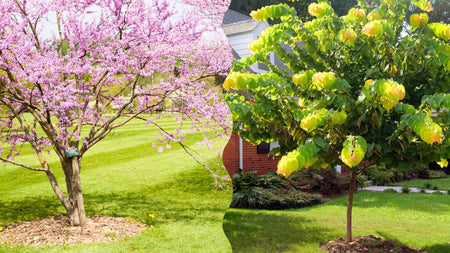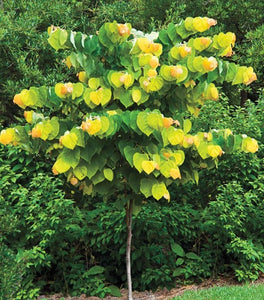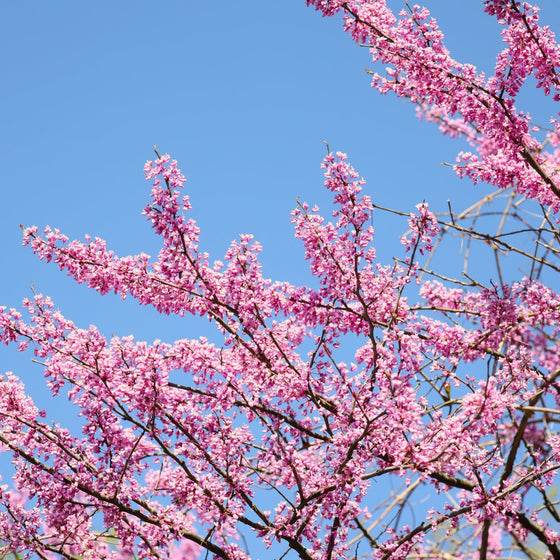
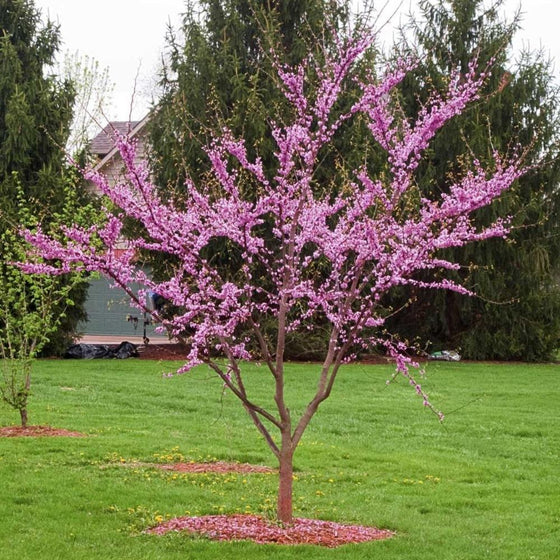
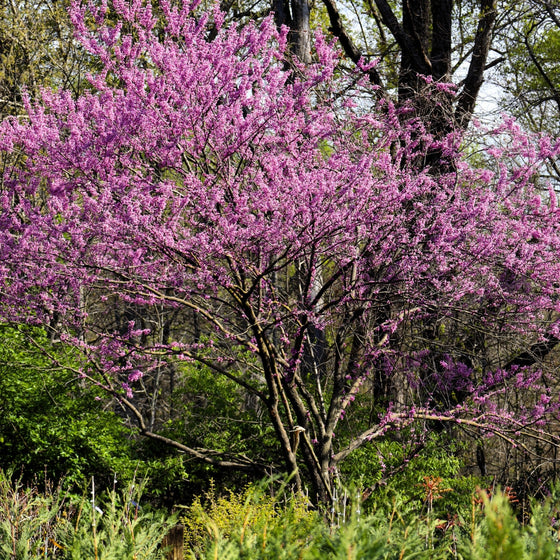


Images Depict Mature Plants
Eastern Redbud Tree
Cercis canadensis
Eastern Redbud is one of those trees that feels like a little bit of magic you get to keep—pink spring blooms right on the branches, a soft canopy of heart-shaped leaves, and that warm yellow fall finish that makes the season feel complete. If you want a native flowering tree that brings pollinators in early and gives your yard a true “signature moment,” this is a confident pick—just give it drainage, mulch, and steady watering while it gets established.

20% Off Sitewide Sale!
Use Code 'ENDOFSEASON20' At Checkout
📦 Free shipping on orders over $99.
Delay shipping by leaving us a message at Checkout.
Share:


Eastern Redbud Tree For Pink Spring Blooms, Heart-Shaped Leaves, And Native Yard Charm
Pink Spring Blooms That Turn Any Yard Into A Destination
Eastern Redbud is one of those trees that changes the mood of a whole landscape. In early spring—before most trees even think about leafing out—branches light up with rosy pink blooms that seem to appear overnight. That timing is everything: it gives you a true “first big color moment” of the season, making front yards feel welcoming, and backyards feel alive again. Plant one where you’ll see it from a window or along the driveway, and spring instantly feels more intentional.
The bloom habit is also uniquely charming because flowers show along stems and older branches, not just at the tips. From a design standpoint, that creates a fuller, more sculptural look than many spring-flowering trees. Whether you’re building curb appeal, creating an understory layer beneath larger canopy trees, or adding a focal point near a patio, Eastern Redbud delivers a seasonal show that feels classic—and never goes out of style.
Perfectly Sized Shade Tree For Modern Landscapes
If you want a flowering tree that won’t overwhelm a smaller lot, Eastern Redbud is a smart fit. It typically matures to 20–30 feet tall, with a rounded to vase-like canopy that can spread 25–35 feet over time. That “small-to-medium” footprint is exactly what many shoppers need: enough presence to anchor the yard, enough canopy to cast dappled shade, and still manageable around homes, fences, and garden beds.
After bloom, heart-shaped leaves emerge in fresh green, creating a soft, layered canopy that plays beautifully with understory plantings. In fall, foliage often shifts to warm yellow-gold, extending the tree’s seasonal interest beyond spring. This is a tree that earns its keep across multiple seasons—flowers in spring, shade in summer, and color in fall—without demanding the space of a large shade tree.
Easy Light And Soil Match For Strong Growth And Better Blooming
Eastern Redbud performs well in full sun to part shade, and that flexibility makes it easy to site in real-world yards. For the strongest flowering, aim for more sun (especially morning sun), while part shade can be ideal in hotter climates where late-day heat is intense. Either way, the goal is a spot that supports steady growth without stressing the tree—bright light, decent airflow, and room for the canopy to develop naturally.
Soil-wise, redbuds are adaptable, but drainage matters. They prefer well-drained soil and don’t love sitting wet, especially in heavy clay or low areas where water lingers after rain. A simple win is to plant slightly high, improve the planting area with organic matter, and mulch to stabilize moisture. Get that foundation right, and the tree settles in faster, grows cleaner, and becomes more resilient during summer swings.
Low-Maintenance Beauty With Simple Pruning And Long-Term Payoff
Eastern Redbud is not a high-maintenance tree, and that’s a big part of its appeal. The best approach is “support, don’t over-manage”: consistent watering during establishment, a mulch ring to protect roots and moderate soil temperature, and light pruning to keep structure clean. You don’t need to shear or shape it into submission—its natural habit is part of the charm.
Pruning is easiest in late winter before bud break, or right after flowering if you’re correcting minor shape issues. Focus on removing dead or rubbing branches and keeping a strong branch structure as the tree matures. With a good start, you’ll have a spring showpiece that also supports pollinators, layers beautifully into native plantings, and adds real value to the landscape year after year.
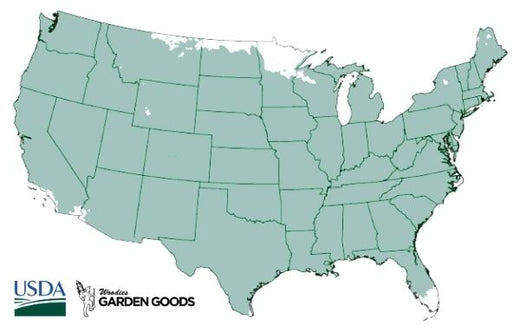
| Hardiness Zone: | 4-9 |
|---|---|
| Mature Height: | 20-30 feet |
| Mature width: | 25 to 35 feet |
| Sunlight: | Full sun to part shade |
| Bloom Time / Color | Early spring; pink to rosy-magenta |
| Soil Condition: | Any well-drained soil; adaptable (best with moderate fertility) |
| Water Require: | Moderate; water well until established |
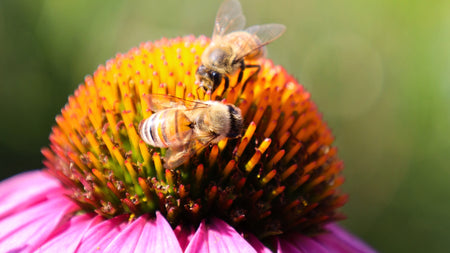
| Wildlife Value | Early-season nectar/pollen; supports pollinators and native insects |
| Resistance (deer/disease/drought/etc.) | Deer: not deer resistant; drought: moderate once established; watch for canker/wilt in stressed trees |
| Landscape Uses | Specimen tree, understory tree, front yard focal point, pollinator-friendly landscapes, small-yard shade |
How to Care for Eastern Redbud Tree
Before you buy an Eastern Redbud Tree, make sure to read about the care instructions that are recommended to keep this plant healthy and thriving.
-v1771013844752.png?92x91)
How should I plant Eastern Redbud Tree?
Plant your Eastern Redbud Tree in a spot with full sun to part shade and well-drained soil. Dig a hole 2–3 times wider than the root ball and no deeper than the root ball’s height, then set the tree so the root flare sits at or slightly above the surrounding grade. Backfill with native soil, firm gently to remove air pockets, and water deeply to settle everything in. Create a wide mulch ring (2–3 inches deep) over the root zone to hold moisture and protect roots, keeping mulch a few inches away from the trunk. If your soil is heavy or tends to stay wet, plant slightly high and improve the surrounding area with organic matter so water moves through instead of pooling around roots.
-v1771013865173.png?89x84)
How often should I water Eastern Redbud Tree after planting?
Water deeply right after planting, then keep the root zone evenly moist during the first growing season. A solid starting rhythm is 1–2 deep waterings per week, adjusting for rainfall, temperature, and soil type. Sandy soils dry faster and may need more frequent watering; clay holds longer but must never stay soggy. After the tree begins to establish, transition to deep watering about once a week during dry spells, especially in summer heat. The goal is steady moisture that encourages roots to grow outward—deep, slow watering is far better than quick, frequent splashes.

When should I fertilize Eastern Redbud Tree?
Fertilize in early spring as growth begins, but only if the tree needs it (slow growth or pale foliage can be signs). A balanced, slow-release tree and shrub fertilizer applied at label rates around the drip line is usually plenty. Water it in well, and avoid placing fertilizer right against the trunk. If your redbud is growing well, you can often skip fertilizer and focus on soil health instead—mulch, organic matter, and consistent watering while establishing. Avoid late-season fertilizing, which can push tender growth at the wrong time.

When and how should I prune Eastern Redbud Tree?
Prune in late winter before bud break to remove dead, damaged, or crossing branches and to guide structure. Focus on creating a strong framework: maintain a clean canopy, remove rubbing limbs, and avoid taking off more than you need. Clean, targeted cuts keep the tree healthier than heavy “reshaping.” You can also do very light corrective pruning right after flowering if needed, but avoid major pruning during extreme heat or drought stress. As the tree matures, occasional thinning for airflow and branch clearance is typically all it needs.