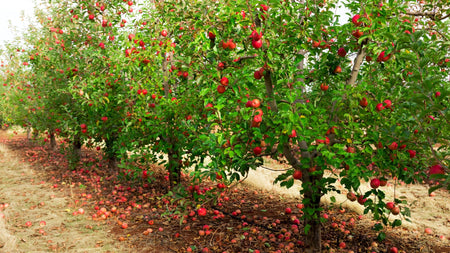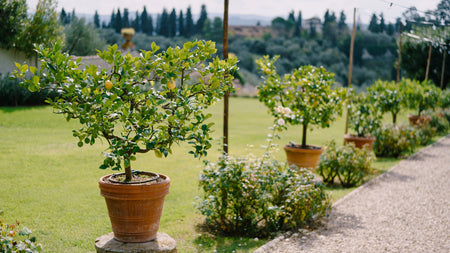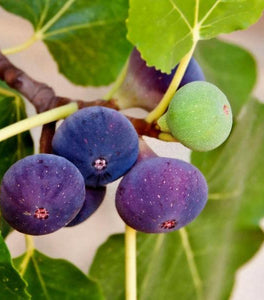



Images Depict Mature Plants
Brown Turkey Fig Tree
Ficus carica 'Brown Turkey'
Brown Turkey Fig Tree is one of the easiest fruit trees to get excited about because it gives homeowners something they usually cannot buy truly fresh in a store. The fruit is sweet, the foliage is bold and beautiful, and the self-pollinating habit makes it easy to fit into a home garden. For edible landscapes and backyard harvests, it is a really smart tree to grow.

15% OFF WITH CODE PLANTING15
Save 15% Off Your Entire Order! Limited time.
📦 Free shipping on orders over $99.
Delay shipping by leaving us a message at Checkout.
Share:


A Reliable Fig Tree for Homegrown Fruit and Edible Landscape Beauty
A Favorite Fig for Home Gardens
Brown Turkey Fig Tree is one of the most popular fig trees for homeowners because it offers a great balance of productivity, adaptability, and ease of care. It is especially appealing for gardeners who want fresh figs from their own yard without needing a complicated orchard setup or multiple pollination partners.
This fruit tree fits beautifully into everyday landscapes. It brings edible value, attractive foliage, and a more relaxed, Mediterranean feel to the garden while still being practical for home growing.
Sweet Figs with Rich, Homegrown Flavor
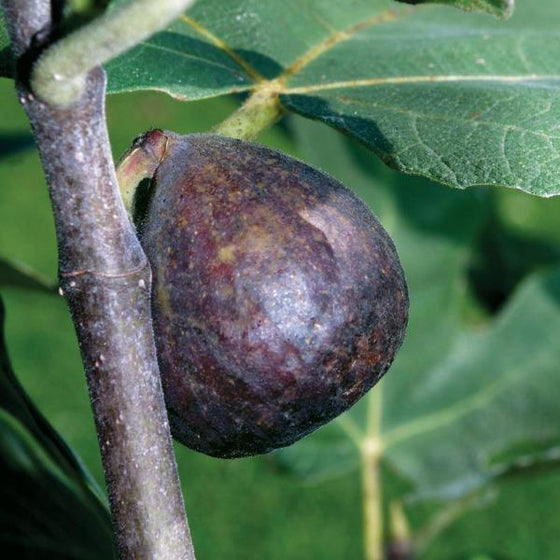
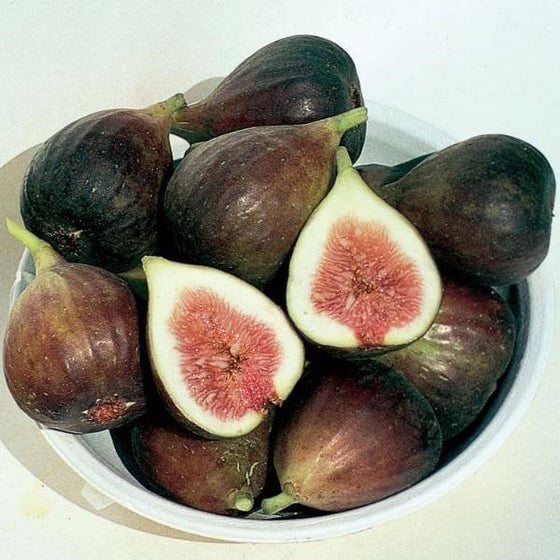
The fruit of the Brown Turkey Fig is one of its biggest selling points. The figs typically ripen with brown to brownish-purple skin and sweet amber to pink flesh, making them excellent for fresh eating, preserves, baking, and backyard harvesting right off the tree.
That fruit quality is part of what makes this variety so rewarding. Homeowners get a tree that can produce delicious figs in the landscape, and because fresh figs are delicate and highly perishable, growing them at home adds even more value.
Large Tropical-Looking Leaves Add Ornamental Appeal
The Brown Turkey Fig Tree is useful for more than just fruit. Its broad, lobed leaves create a lush, tropical look that adds texture and character to the landscape throughout the growing season. Even when the tree is not carrying ripe fruit, it still feels ornamental and visually full in the garden.
That foliage makes it especially valuable in edible landscapes. It can function as both a productive fruit tree and a strong design element in patios, mixed borders, and sunny backyard spaces.
Self-Pollinating and Easy to Add to the Landscape
One of the biggest reasons Brown Turkey Fig remains so widely planted is its convenience. It is self-pollinating, so homeowners can plant a single tree and still expect fruit production without needing a second fig for pollination.
That makes it especially approachable for smaller gardens and first-time fruit growers. It is a great option for homeowners who want fruit-tree rewards without needing a more complex orchard plan.
A Strong Choice for Sunny Sites and Backyard Harvests
Brown Turkey Fig Tree performs best in full sun and well-drained soil, where it can produce the strongest growth and best fruiting. It can be grown in the ground in suitable climates and is also a popular choice for large containers, especially where winter protection is helpful.
For homeowners who want a productive, self-pollinating fig tree with sweet fruit and bold foliage, the Brown Turkey Fig Tree is an excellent choice. It offers edible rewards, ornamental value, and a homeowner-friendly growing habit all in one plant.
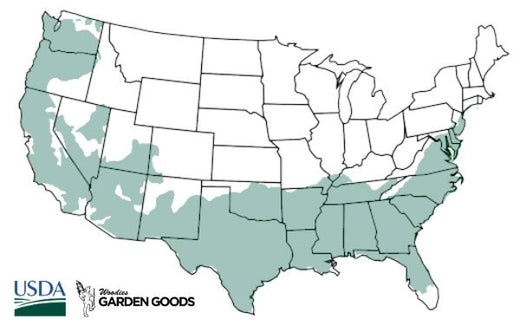
| Hardiness Zone: | 7-9 |
|---|---|
| Mature Height: | 10 to 25 feet |
| Mature width: | 10 to 25 feet |
| Sunlight: | Full sun |
| Soil | Spreading, umbrella shaped canopy |
| Water | Moderate; keep evenly moist during establishment |
| Bloom Time / Color | Figs flower internally; fruit develops without showy blooms |
| Fruit Time / Color | Summer into fall; brown to brownish-purple fruit with sweet interior |
| Taste / Fruit Use | Sweet, mild fig flavor; fresh eating, preserves, baking |
| Ornamental Features | Large lobed leaves, broad branching habit, edible fruit |
| Pollination | Self-pollinating |
| Wildlife Value | Can provide seasonal food value |
| Resistance (disease/drought/etc.) | Relatively cold hardy for a fig; low-maintenance once established |
| Landscape Uses | Edible landscape, backyard orchard, patio fruit tree, container growing, sunny garden accent |
How to Care for Brown Turkey Fig Tree
Before you plant your new Brown Turkey Fig Tree, make sure to read the recommended care instructions to keep this plant healthy and thriving.

How should I plant Brown Turkey Fig Tree?
Plant Brown Turkey Fig Tree in a full sun location with well-drained soil. Dig a hole about twice as wide as the root ball and no deeper than the root ball itself, then place the tree so the root flare sits at or slightly above the surrounding soil level. This helps support healthy root establishment and reduces the risk of planting too deeply. Backfill with native soil, water thoroughly, and mulch around the root zone to help conserve moisture and reduce weeds. Keep mulch a few inches away from the trunk. If growing in the ground, choose a warm protected site where the tree has room to spread and receive strong sunlight for fruit ripening.
-v1775849652304.png?89x84)
How often should I water Brown Turkey Fig Tree after planting?
Water Brown Turkey Fig Tree deeply right after planting, then continue watering regularly during the establishment period. In most landscapes, that means a deep soaking once or twice per week, depending on rainfall, heat, and soil drainage. The goal is evenly moist soil while the tree develops a strong root system. Once established, Brown Turkey Fig becomes easier to manage, but it still performs best when not subjected to repeated hard drying during fruiting season. Deep watering is much better than frequent shallow watering because it encourages stronger roots and more reliable long-term growth.
-v1775849681361.png?90x89)
When should I fertilize Brown Turkey Fig Tree?
Fertilize the Brown Turkey Fig Tree only if needed, especially if growth appears weak or the soil is poor. If feeding is necessary, early spring is usually the best time to apply compost or a balanced fertilizer to support steady growth without encouraging overly soft, weak shoots. Avoid overfeeding, especially if the tree is already growing vigorously. In many cases, proper sun exposure, good drainage, and consistent establishment watering matter more than aggressive fertilization. The goal is balanced growth and dependable fruit production rather than excessive leafy growth.

When and how should I prune Brown Turkey Fig Tree?
Brown Turkey Fig Tree benefits from light pruning to remove dead, damaged, or crowded branches and to maintain a manageable framework. Late winter or very early spring is generally the best time to prune, before strong new growth begins. Pruning should focus on improving structure, airflow, and fruiting wood rather than overly heavy cutting. In colder areas, it can also be helpful to remove any winter-damaged growth in spring once new growth begins to show.