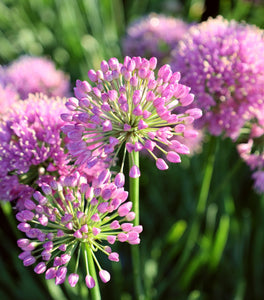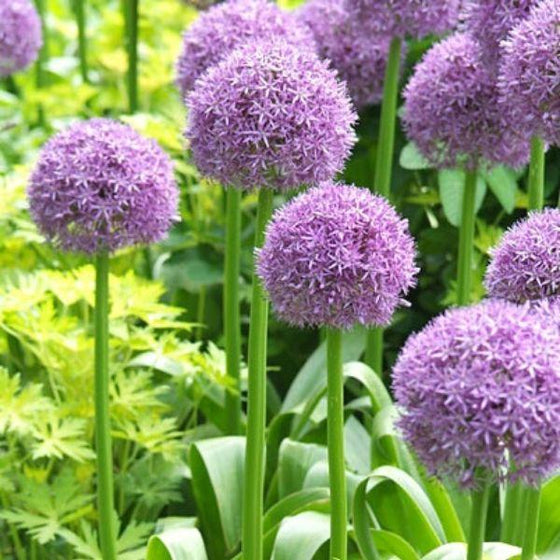
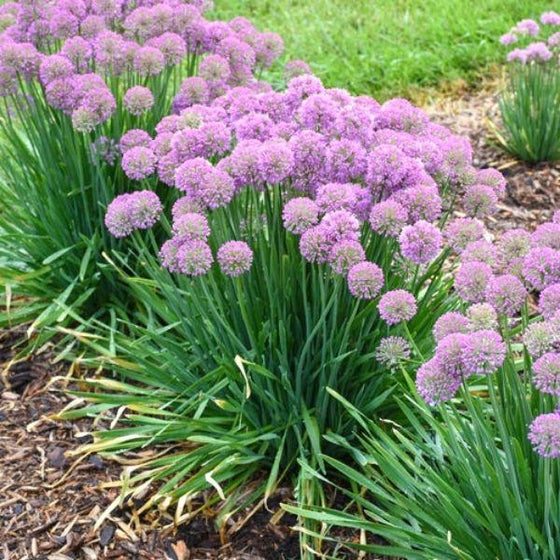
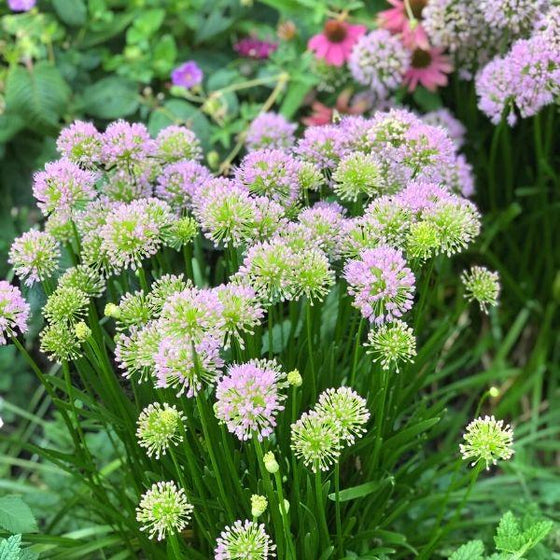
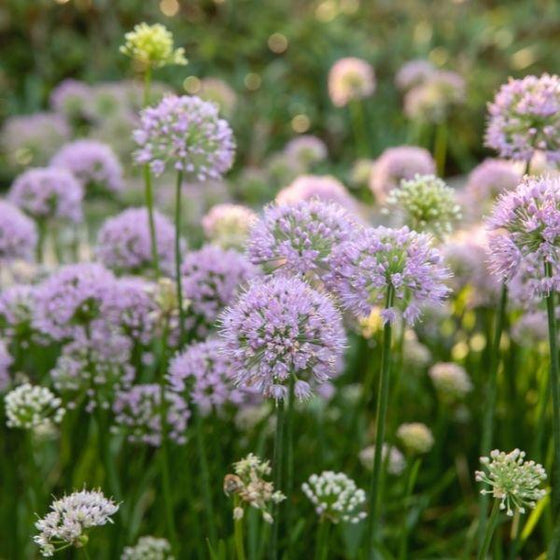


Images Depict Mature Plants
Allium Serendipity
Allium x 'Serendipity'
Allium Serendipity is a great choice when you want the polished flower shape of Allium Millenium with the added bonus of attractive blue-green foliage. The rosy-purple flowers are clean, rounded, and easy to design with, while the plant stays compact and tidy in the border. I especially like it planted in groups near coneflowers, salvia, yarrow, and ornamental grasses where the blooms can repeat through the garden and bring in bees and butterflies.This ornamental onion produces globe-shaped purple flowers atop long green stems. Add a whimsical feel to your garden with this flowering onion plant.

15% OFF FOR MOTHER'S DAY
Use Code MOMDAY15 At Checkout
📦 Free shipping on orders over $99.
Delay shipping by leaving us a message at Checkout.
Share:Recommended Add-Ons


Rosy-Purple Globes with Blue-Green Foliage
Summer blooms that float above the garden.
Allium Serendipity produces globe-shaped rosy-purple flowers that rise above compact clumps of blue-green foliage in summer. The round blooms look like colorful orbs floating through the garden, adding structure, rhythm, and a clean, designer look to sunny perennial beds.
A foliage upgrade for ornamental onion lovers.
Serendipity is especially valued for its attractive blue-toned foliage, which adds visual interest before and after bloom compared with many traditional ornamental onions. The foliage stays tidy and clump-forming, making this allium easy to use in front-to-middle borders, mass plantings, and mixed perennial designs.
Pollinator-friendly flowers for bees and butterflies.
The rosy-purple flower globes attract bees, butterflies, and other beneficial pollinators during the summer bloom season. Plant Allium Serendipity in groups or repeat it through a border to create a strong pollinator effect and a more intentional garden display.
Deer and rabbits typically avoid it.
Allium Serendipity has onion-scented foliage that deer and rabbits usually leave alone. While no plant is completely deer-proof, ornamental onions are among the better flowering perennials for homeowners who want color with strong browsing resistance.
Easy, durable color for full sun and containers.
This low-maintenance perennial thrives in full sun to part sun and well-drained soil. Once established, it is drought-tolerant and works beautifully in borders, rock gardens, containers, cut flower gardens, mass plantings, and low-water perennial designs.
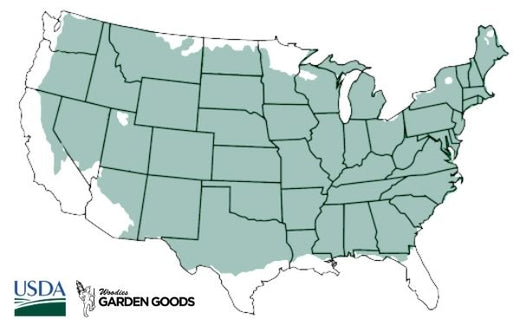
| Hardiness Zone: | 4-8 |
|---|---|
| Mature Height: | 15 to 20 inches |
| Mature Width: | 10-15 Inches |
| Sunlight: | Full sun to part sun; blooms best with at least 6 hours of direct sun |
| Soil | Well-drained soil; performs in average, poor, fertile, dry, or sandy soils when drainage is good |
| Water | Water regularly after planting; drought tolerant once established |
| Bloom Time / Color | Midsummer to late summer; rosy-purple to lavender-purple globe-shaped flowers |
| Foliage | Attractive blue-green, strap-like foliage with an onion scent when crushed |
| Foliage: | Green strap-like leaves |
| Ornamental Features | Rosy-purple globe flowers, blue-green foliage, tidy clump-forming habit, dried seedhead interest |
| Wildlife Value | Attracts bees, butterflies, and other beneficial pollinators |
| Resistance | Deer resistant, rabbit resistant, drought tolerant once established, heat tolerant, and generally low maintenance |
| Landscape Uses | Pollinator gardens, sunny borders, cottage gardens, edging, mass plantings, rock gardens, cut flower gardens, containers, and low-water landscapes |
How to Care for Allium Serendipity
Before you purchase your Allium Serendipity plant, be sure to read the recommended care instructions to ensure your plant remains happy and healthy for years to come!
-v1777400105155.png?92x91)
How should I plant Allium Serendipity?
Plant Allium Serendipity in full sun to part sun with well-drained soil. Choose a location that receives at least 6 hours of direct sunlight for the strongest flowering and best overall performance. Dig a hole about twice as wide as the root ball and set the crown level with the surrounding soil. Backfill, firm the soil gently, water deeply, and space plants about 10 to 15 inches apart to allow the clumps room to mature.
-v1777400136165.png?89x84)
How often should I water Allium Serendipity after planting?
Water Allium Serendipity regularly during the first growing season while the roots establish. Keep the soil lightly moist after planting, but avoid constantly wet soil because ornamental onions perform best with good drainage. Once established, Allium Serendipity becomes drought tolerant and usually needs less supplemental water than many flowering perennials. During extended heat or drought, water deeply as needed, then allow the soil to dry slightly between waterings.
-v1777400155960.png?90x89)
When should I fertilize Allium Serendipity?
Fertilize Allium Serendipity lightly in spring if your soil is poor or growth appears weak. In most garden beds, a thin layer of compost or a light application of balanced, slow-release fertilizer is enough. Avoid heavy feeding, which can encourage soft growth instead of sturdy stems and tidy clumps. This perennial generally performs best in average, well-drained soil with plenty of sun.

When and how should I prune Allium Serendipity?
Prune Allium Serendipity by removing spent flower stems after bloom if you prefer a cleaner look. You can also leave the seedheads standing for added late-season texture and dried ornamental interest. Cut back the foliage after it yellows and declines naturally. Avoid removing healthy green or blue-green foliage too early, because the leaves help feed the plant for the next growing season.