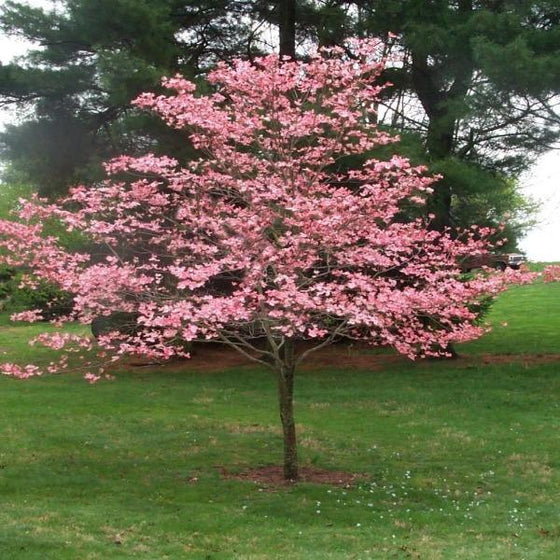


Images Depict Mature Plants
Pink Dogwood
Cornus florida
Pink Dogwood has that classic native-tree charm, but the bright pink bloom gives it a little extra personality in spring. I like how it delivers more than just flowers too, with glossy red berries for wildlife and strong red fall color that keeps the tree relevant well beyond bloom season. For homeowners looking for a pink flowering focal point, a front-yard specimen, or a smaller ornamental tree with native appeal, this is a beautiful and dependable choice.

20% Off Sitewide Sale!
Use Code 'ENDOFSEASON20' At Checkout
📦 Free shipping on orders over $99.
Delay shipping by leaving us a message at Checkout.
Share:

A Classic Native Pink Dogwood With Bright Spring Color And Four-Season Beauty
Bright Pink Spring Blooms That Instantly Stand Out
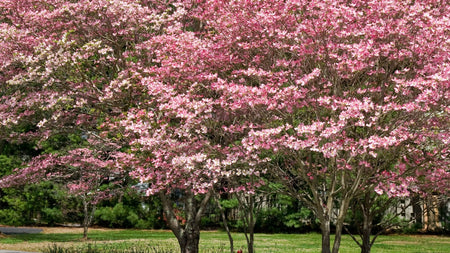
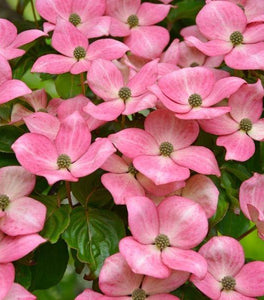
Pink Dogwood is a beautiful native flowering tree that brings a classic spring display to the landscape with a little more color and drama than the traditional white form. In bloom, the branches are covered with rich pink flowers that often show a soft white center, creating the butterfly-like effect that makes flowering dogwoods so memorable in the spring garden. It is the kind of tree that naturally draws the eye without feeling overly formal or out of place.
Because it is a selection of native Cornus florida, Pink Dogwood has the familiar charm and graceful branching habit that gardeners already love in American dogwoods. It feels right at home in front yards, woodland-edge landscapes, cottage-style gardens, and mixed borders where a flowering tree can anchor the season. For homeowners seeking a pink-flowering dogwood tree with timeless curb appeal, this is a strong choice.
A Four-Season Ornamental Tree With Red Berries And Fall Color
Spring may be its biggest moment, but Pink Dogwood continues to contribute long after the flowers have faded. Through summer, the canopy fills in with deep green foliage that adds softness and filtered shade to the landscape. Later in the year, glossy red berries bring another ornamental layer while also offering seasonal value for songbirds and other wildlife.
Fall is another reason this tree stays so popular. The foliage turns bright red to deep red, giving the landscape a vivid burst of autumn color before winter arrives. Even after leaf drop, the tree’s branching habit still adds elegance and structure. That makes Pink Dogwood more than just a bloom-season plant. It is a true four-season ornamental tree with lasting landscape presence.
A Great Fit For Smaller Yards And Layered Planting Plans
Pink Dogwood is especially useful in home landscapes because it offers real ornamental impact without becoming too large for a residential setting. It works well as a specimen tree in the front yard, near a patio, along a sidewalk, or as part of a layered planting near taller canopy trees. Its moderate mature size makes it easier to place than many larger flowering trees.
This tree also blends beautifully with evergreen shrubs, hydrangeas, azaleas, ferns, and other part-shade companions. Used at the edge of a woodland garden or in a more polished foundation landscape, it helps create a sense of seasonality and refinement. Whether you want one tree as a focal point or several planted along a property edge for a coordinated spring show, Pink Dogwood adapts well to a wide range of landscape styles.
A Native Tree That Rewards Good Planting And Basic Care
Pink Dogwood performs best when it gets the fundamentals it prefers: well-drained soil, thoughtful siting, and consistent care during establishment. It is comfortable in full sun to part shade and is adaptable enough for many residential settings, especially when the soil drains well, and the roots are protected with mulch. Once established, it becomes a rewarding ornamental tree that needs very little shaping.
Gardeners also appreciate that this tree offers strong beauty without asking for constant maintenance. Deep watering during dry stretches, a mulch ring around the base, and healthy soil go a long way toward long-term success. For homeowners who want a native flowering tree with bright pink spring color, strong fall foliage, and wildlife appeal, Pink Dogwood checks a lot of boxes in one elegant package.
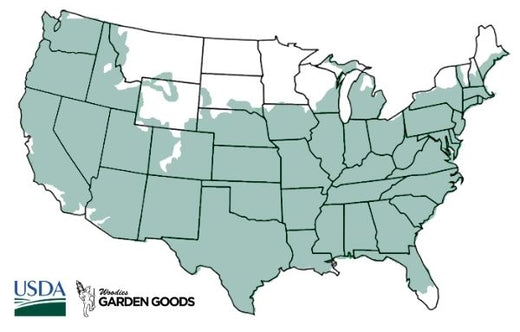
| Hardiness Zone: | 5-9 |
|---|---|
| Mature Height: | 20 to 25 Feet |
| Mature Width: | 20 to 25 Feet |
| Sunlight: | Full sun to part shade |
| Bloom Time / Color | Spring; deep pink flowers with a lighter white center effect |
| Soil Condition: | Any well-drained soil; performs well in slightly acidic soil |
| Water Requirements: | Water well until established |
| Wildlife Value | Red berries support songbirds and other wildlife |
| Resistance (deer/disease/drought/etc.) | Cold hardy; described by seller as disease resistant |
| Landscape Uses | Specimen tree, front yard accent, yard focal point, border planting, understory tree |
How to Care for Pink Dogwood
aBe sure to read our planting instructions to ensure a healthy and happy Pink Dogwood for years to come!
-v1774133665151.png?92x91)
How should I plant Pink Dogwood?
Plant Pink Dogwood in a location with well-drained soil and enough room for the canopy to mature naturally. It grows well in full sun to part shade, making it a flexible choice for front yards, borders, and woodland-edge settings. If your soil tends to be heavy, improving drainage before planting can help the tree establish more successfully. Dig a hole two to three times as wide as the root ball but no deeper than the root ball itself. Set the tree so the root flare is at or slightly above grade, backfill with native soil, and water deeply to settle the roots. Finish with a two- to three-inch layer of mulch over the planting area, keeping the mulch pulled back from the trunk.
-v1774133701733.png?89x84)
How often should I water Pink Dogwood after planting?
Water Pink Dogwood deeply during establishment so the root system can settle in evenly. In most landscapes, deep watering once or twice a week during the first growing season is a good starting point, with adjustments based on rainfall, heat, and soil type. The goal is evenly moist soil, not constantly wet ground. After establishment, the tree becomes easier to manage, but it still benefits from deep watering during extended dry periods. A soak-and-dry approach is generally more effective than frequent light watering, especially for helping roots grow more deeply and steadily.
-v1774133716549.png?90x89)
When should I fertilize Pink Dogwood?
Fertilize Pink Dogwood lightly in early spring if the soil is poor or if the tree needs additional support for growth and vigor. A balanced slow-release fertilizer for flowering trees is usually sufficient, and compost around the root zone can also help improve soil structure and plant health over time. Avoid excessive feeding, especially with high-nitrogen fertilizers. Healthy soil, mulch, and steady moisture are usually more important than heavy fertilizer use when it comes to maintaining a strong, balanced flowering dogwood.

When and how should I prune Pink Dogwood?
Pink Dogwood usually requires very little pruning beyond removing dead, damaged, or crossing branches. Late winter or very early spring is a good time for light corrective pruning before new growth begins. The natural branching habit is part of the tree’s appeal, so heavy reshaping is rarely needed. Because the seller notes that no pruning is needed, the best approach is to keep pruning minimal and selective. Light cleanup is generally enough to preserve the tree’s graceful form while maintaining good airflow and appearance.