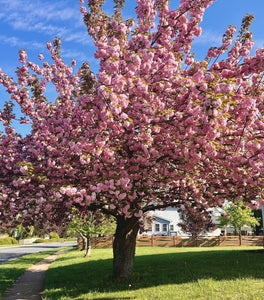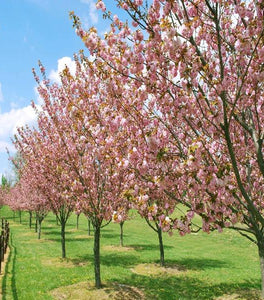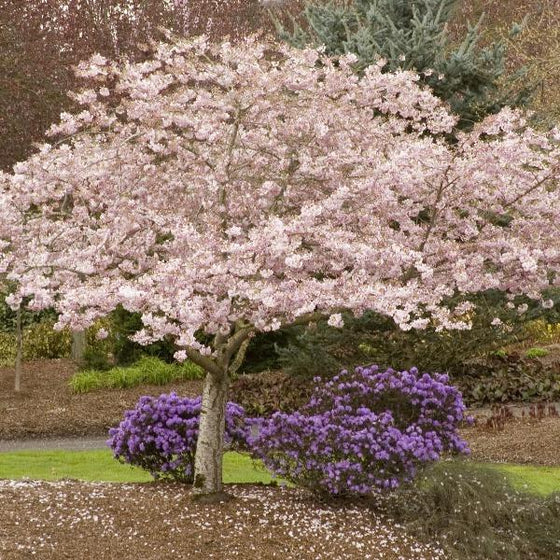



Images Depict Mature Plants
Akebono Cherry Tree
Prunus x yedoensis 'Akebono'
Akebono Cherry Tree has a softer, more romantic look than a lot of flowering cherries, and that is what makes it so appealing. I like the way the flowers open pink and then fade toward white, because it gives the whole tree a changing spring look instead of just one flat color. Add in the glossy summer foliage, golden fall color, and the fact that it becomes a beautiful small shade tree, and this is a really rewarding plant for homeowners who want a spring focal point with lasting landscape value.

20% Off Sitewide Sale!
Use Code 'ENDOFSEASON20' At Checkout
📦 Free shipping on orders over $99.
Delay shipping by leaving us a message at Checkout.
Share:Recommended Add-Ons


A Fragrant Pink Flowering Cherry Tree With Spring Beauty And Elegant Seasonal Color
Soft Pink Spring Blossoms That Fade To White
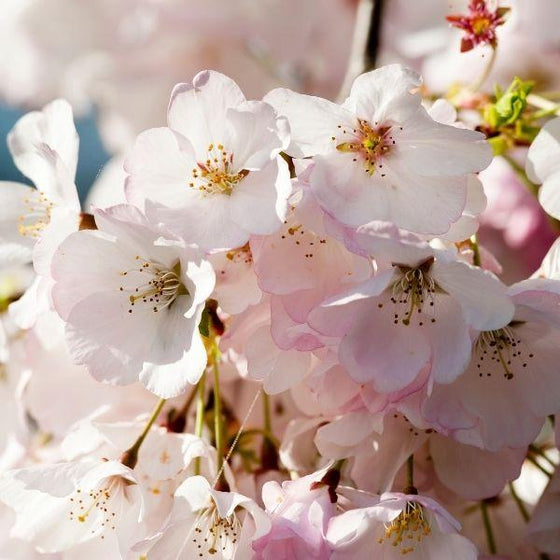
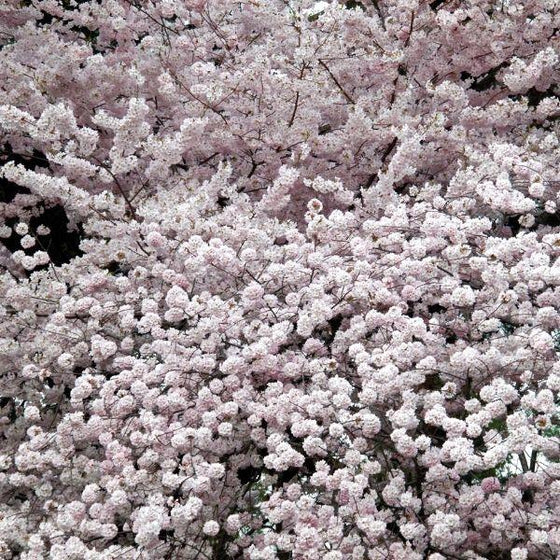
Akebono Cherry Tree delivers one of the prettiest spring flower displays you can add to a landscape. In early spring, its branches become covered with fluffy, ruffled, light pink flowers that gradually soften toward white as the bloom season progresses. That color shift gives the tree a layered, romantic look and makes the display feel especially dynamic over time rather than static for only a few days.
The flowers are also fragrant, which adds another level of enjoyment when the tree is planted near a patio, walkway, or entry garden. Because the blooms appear before the green foliage emerges, the full branching structure is highlighted by flower color alone, turning the tree into a soft cloud of pink and white. For homeowners seeking a flowering cherry tree with a refined, memorable spring show, Akebono is a beautiful choice.
A Graceful Ornamental Tree That Becomes A Useful Shade Tree
Akebono Cherry Tree starts out with a more upright form when young, then gradually develops into an asymmetrical, rounded canopy as it matures. That evolution gives it a graceful presence in the landscape and makes it more than just a brief spring performer. Over time, it becomes an ideal ornamental shade tree for front yards, open lawn areas, and places where homeowners want filtered shade with strong seasonal character.
This growth habit makes the tree especially effective as a specimen planting. It has enough structure to anchor a landscape and enough softness to feel elegant rather than heavy. Planted near a sidewalk or path, it can frame the route beautifully in spring and continue offering shape and presence through the rest of the growing season.
Glossy Green Foliage, Golden Fall Color, And Attractive Bark
Akebono Cherry Tree keeps contributing after the bloom season ends. In summer, its glossy green leaves give the canopy a healthy, polished appearance that helps cool and soften the landscape. When fall arrives, the foliage turns a clear golden yellow, extending the ornamental value and helping the tree remain relevant long after the spring blossoms are gone.
Even after the leaves drop, the bark adds interest with attractive lenticels that become more noticeable in winter. That combination of spring flowers, summer foliage, fall color, and winter bark detail gives Akebono a strong four-season presence. For homeowners who want more than a one-season tree, this is a rewarding ornamental choice.
Low Maintenance And Adaptable Once Established
Akebono Cherry Tree offers high visual impact without requiring constant attention. It performs best in full sun and well-drained soil, but once established, it is drought-tolerant and adaptable enough to handle somewhat drier sites. That balance of beauty and resilience makes it a practical choice for homeowners who want ornamental impact without taking on a fussy plant.
It also supports pollinators, hummingbirds, and butterflies during bloom, which adds another layer of garden value beyond its appearance. With proper planting, consistent watering during establishment, and light seasonal care, Akebono Cherry Tree settles in as a long-lasting specimen that combines elegance, shade, and seasonal color in one beautiful package.
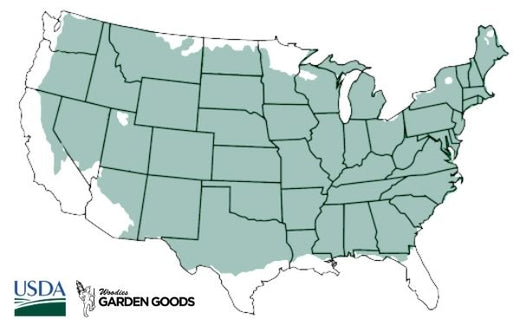
| Hardiness Zone: | 4-8 |
|---|---|
| Mature Height: | 20 to 25 Feet |
| Mature Width: | 20 to 25 Feet |
| Sunlight: | Full sun |
| Bloom Time / Color | Early spring; fragrant light pink flowers fading to white |
| Soil Condition: | Any well drained soil |
| Water Requirements: | Water well until established |
| Wildlife Value | Attracts pollinators, hummingbirds, and butterflies in bloom |
| Resistance (deer/disease/drought/etc.) | Drought tolerant once established; adapts to somewhat drier sites |
| Landscape Uses | Specimen tree, ornamental shade tree, sidewalk planting, path-side tree, lawn focal point |
How to Care for Akebono Cherry Tree
Be sure to read our planting instructions to ensure a healthy and happy Akebono Cherry Tree for years to come!

How should I plant Akebono Cherry Tree?
Plant Akebono Cherry Tree in full sun and in soil that drains well. Choose a location where the tree has enough room to develop its mature rounded canopy and where the spring bloom can be appreciated from a distance as well as up close. It works especially well along sidewalks, near paths, or as a specimen in an open lawn. Dig a hole twice as wide as the root system but no deeper than the soil line of the plant in its pot. Set the tree so the original soil line remains visible after planting, then backfill with a mix of native soil and locally sourced compost or topsoil if needed to improve structure. Water deeply after planting and add a 2- to 3-inch layer of mulch while keeping a small gap between the mulch and the trunk.

How often should I water Akebono Cherry Tree after planting?
Water Akebono Cherry Tree deeply right after planting, then monitor it closely during the first few weeks. Check the soil daily for the first week or so and then every other day after that, watering deeply whenever the root zone begins to dry. The goal is to soak the soil thoroughly rather than giving the tree frequent light sprinkles. Once the tree begins to establish, watering can be spaced out more. Deep, consistent watering is especially important during the first growing season, but once mature the tree becomes more drought tolerant and can adapt to somewhat drier sites with less frequent supplemental water.

When should I fertilize Akebono Cherry Tree?
Fertilize Akebono Cherry Tree lightly in spring once the danger of frost has passed. A balanced extended-release fertilizer works well, and young trees can be fed again about 6 to 8 weeks later if extra foliage density or faster early growth is desired. A root-starter fertilizer at planting can also be helpful, and compost or organic matter around the root zone can improve soil quality over time. Avoid fertilizing after August, since late-season feeding may encourage tender growth that is more vulnerable going into winter.

When and how should I prune Akebono Cherry Tree?
Akebono Cherry Tree generally needs very little pruning and is listed as needing no routine pruning. Most homeowners will only need to remove dead, damaged, or crossing branches as needed to keep the tree healthy and attractive. The best approach is to preserve the tree’s natural habit as it transitions from upright when young to a more rounded form with age. Minimal, selective pruning will usually produce the best ornamental result while helping the tree keep its graceful branching structure.