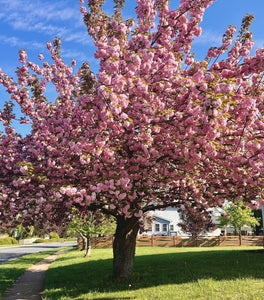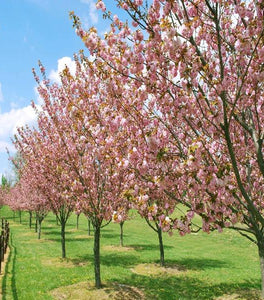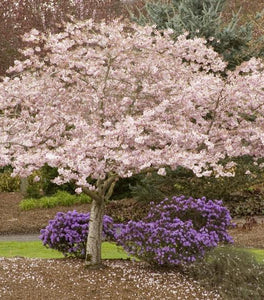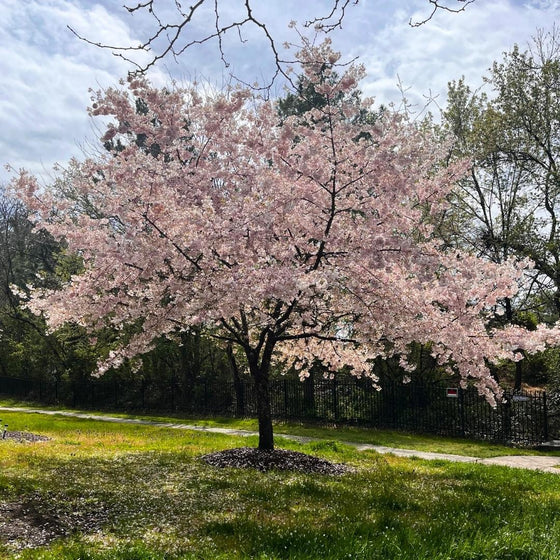


Images Depict Mature Plants
Yoshino Cherry Tree
Prunus x yedoensis
Yoshino Cherry Tree is one of those flowering trees that feels special every single spring. The pale pink and white blossoms have that classic cherry blossom look people instantly recognize, and the light almond fragrance makes the display even better when the tree is planted where you can enjoy it up close. For homeowners looking for a fast-growing specimen tree, a graceful flowering tree for a driveway or lawn, or an ornamental cherry that brings both bloom and canopy, this is a beautiful choice.

20% OFF SITEWIDE SALE
Use Code 'OCTOBER20' At Checkout
📦 Free shipping on orders over $99.
Delay shipping by leaving us a message at Checkout.
Share:


A Classic Cherry Blossom Tree With Fragrant Spring Bloom And Graceful Form
A Show-Stopping Spring Tree With Soft White And Pink Blossoms
The Yoshino Cherry Tree is one of the most recognizable and admired flowering cherry trees for a reason. In early spring, its branches are covered with masses of white to pale pink blossoms that create a soft, cloud-like effect people associate with the classic cherry blossom season. The flowers are especially memorable because they do more than look beautiful. They also carry a light almond fragrance that adds another layer of appeal when the tree is planted near walkways, patios, or gathering spaces.
This is the kind of tree that instantly transforms a landscape in bloom. Whether used in a front yard, along a long drive, or as a statement piece in an open lawn, it creates a strong seasonal moment without feeling overdone. For homeowners seeking a flowering cherry tree with timeless beauty and genuine spring presence, the Yoshino Cherry Tree is a standout choice.
A Graceful Vase-Shaped Canopy That Adds More Than Just Flowers
The Yoshino Cherry Tree is not only admired for its spring bloom. Its upright branching develops into a broad, vase-shaped canopy, giving the tree elegance and usefulness long after flowering has passed. In summer, the canopy provides filtered shade and helps soften hard edges in the landscape. That makes it a beautiful choice near paths, driveways, and lawn edges where homeowners want both ornamental beauty and a little practical shade.
Fall adds another chapter, with foliage shifting to brilliant yellow tones that extend the tree’s value beyond bloom season. Even in winter, the branch structure helps the tree hold visual presence in the yard. That four-season contribution is one reason the Yoshino Cherry Tree remains such a popular ornamental tree in residential and public landscapes alike.
A Fast-Growing Ornamental Tree For Specimen Use And Broader Planting Plans
Yoshino Cherry Tree is especially appealing because it grows quickly and develops enough size to make a real landscape statement. It works beautifully as a specimen tree in a front yard or open lawn, but it is also effective when used in repeated plantings along drives, wider paths, or larger property edges. Because the canopy spreads outward in a graceful shape, it helps create an inviting, established look in a relatively short amount of time.
That fast growth makes it a smart option for gardeners who want spring bloom and developing shade without waiting decades. It fits especially well in landscapes that need a focal point with a softer, more romantic look than many standard shade trees. If you want an ornamental flowering tree that matures into a graceful canopy, the Yoshino Cherry Tree offers a very strong balance of beauty and performance.
Easy To Grow When Given Sun, Drainage, And Room To Shine
Yoshino Cherry Tree performs best in full sun but also tolerates part shade, making it flexible for many home landscapes. It prefers acidic, moist, well-drained soil and benefits from a mulch ring that helps maintain even moisture around the root zone while the tree is getting established. Once mature, it also shows some drought tolerance, which adds to its value in everyday landscape conditions.
This tree does best when planted in a spot where its canopy can develop freely and where the spring bloom can be enjoyed from a distance as well as up close. With proper planting, yearly feeding, and basic establishment care, it becomes a rewarding ornamental tree that needs very little routine pruning. For homeowners looking for classic cherry blossom beauty with a graceful shape and fast growth, the Yoshino Cherry Tree is a beautiful and dependable choice.
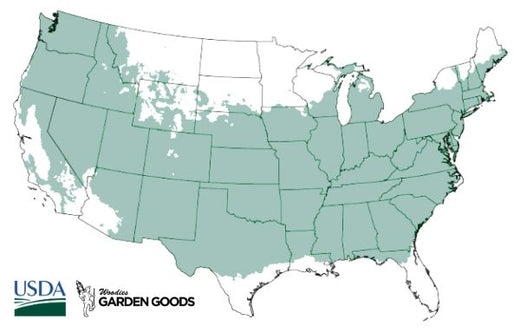
| Hardiness Zone: | 5-8 |
|---|---|
| Mature Height: | 30 to 40 Feet |
| Mature Width: | 20 to 25 Feet |
| Sunlight: | Full sun to part shade |
| Bloom Time / Color | March to April; white to pale pink fragrant blossoms |
| Soil Condition: | Any well-drained soil; prefers acidic, moist, well-drained soil |
| Water Requirements: | Water well until established; some drought tolerance once mature |
| Wildlife Value | Ornamental flowering tree value and seasonal canopy cover |
| Resistance (deer/disease/drought/etc.) | Some drought tolerance once established |
| Landscape Uses | Specimen tree, path or driveway planting, ornamental shade tree, spring focal point |
How to Care for Yoshino Cherry Tree
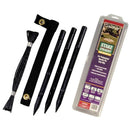
Be sure to read our planting instructions to ensure a healthy and happy Yoshino Cherry Tree for years to come!
-v1774272629834.png?92x91)
How should I plant Yoshino Cherry Tree?
Plant Yoshino Cherry Tree in a location with full sun to part shade and enough space for its mature canopy to spread naturally. Full sun will usually give you the best flowering performance, while well-drained soil is essential for healthy root development. This tree is especially effective where its vase-shaped form can be appreciated, such as open lawns, along driveways, or near garden paths. Dig a hole three times as wide as the root ball and equal in depth to the root ball. Set the tree so the top of the root ball is level with the surrounding soil, then backfill carefully and lightly firm the soil as you go. Water deeply to settle the roots and finish with a 3- to 5-inch layer of mulch around the base, keeping mulch pulled back from the trunk.
-v1774272651269.png?89x84)
How often should I water Yoshino Cherry Tree after planting?
Water the Yoshino Cherry Tree well during establishment so the root system can settle in evenly and begin to spread. In most landscapes, deep watering once or twice a week during the first growing season is a good starting point, with adjustments based on soil type, rainfall, and heat. The goal is to keep the root zone evenly moist without letting the soil stay soggy. Once established, the tree shows some drought tolerance, but it still benefits from deep watering during extended dry periods. A soak-and-dry approach is much better than frequent shallow watering, especially during hot weather or in sunnier planting locations.
-v1774272678038.png?90x89)
When should I fertilize Yoshino Cherry Tree?
Fertilize Yoshino Cherry Tree once a year in early spring before new growth emerges. A slow-release fertilizer is the preferred option because it provides steady nutrition without encouraging overly soft, weak growth. Water the surrounding soil after fertilizing so nutrients move into the root zone effectively. In many landscapes, a consistent yearly feeding is enough to support healthy flowering and balanced growth. Healthy soil and mulch are also important parts of the overall care routine, so fertilizer works best as part of a broader establishment and maintenance plan.

When and how should I prune Yoshino Cherry Tree?
Yoshino Cherry Tree generally does not require routine pruning to maintain its natural form. Its upright, spreading canopy is one of its greatest landscape features, so the best approach is usually to let the tree develop without heavy shaping. Most homeowners will only need to remove dead, damaged, or crossing branches as needed. If cleanup is necessary, keep pruning light and selective. The goal should be to preserve the tree’s graceful vase-shaped branching rather than force it into a tighter shape. Minimal pruning will usually give you the best long-term ornamental result.